 EN
EN


เมื่อฉันวางแผนสร้างโรงงานผลิตเครื่องดื่มอัดลม ฉันมักพบปัญหาเดียวกันบ่อยครั้ง ลูกค้าต้องการปริมาณการผลิตที่สูงขึ้น แต่พื้นที่อาคารกลับมีขนาดเล็กเกินไป การจัดวางโครงสร้างโรงงานที่ไม่เหมาะสมอาจทำให้โครงการทั้งหมดดำเนินช้าลงและมีต้นทุนสูงขึ้น
สำหรับโรงงานบรรจุเครื่องดื่มอัดลมที่มีกำลังการผลิตก๊าซขั้นต่ำ 2,000 ขวดต่อชั่วโมง (BPH) พื้นที่ใช้สอยขั้นต่ำคือ 10 x 15 ตารางเมตร หากพื้นที่โรงงานไม่เพียงพอ ฉันขอแนะนำให้จัดวางสายการผลิตบนสองชั้น
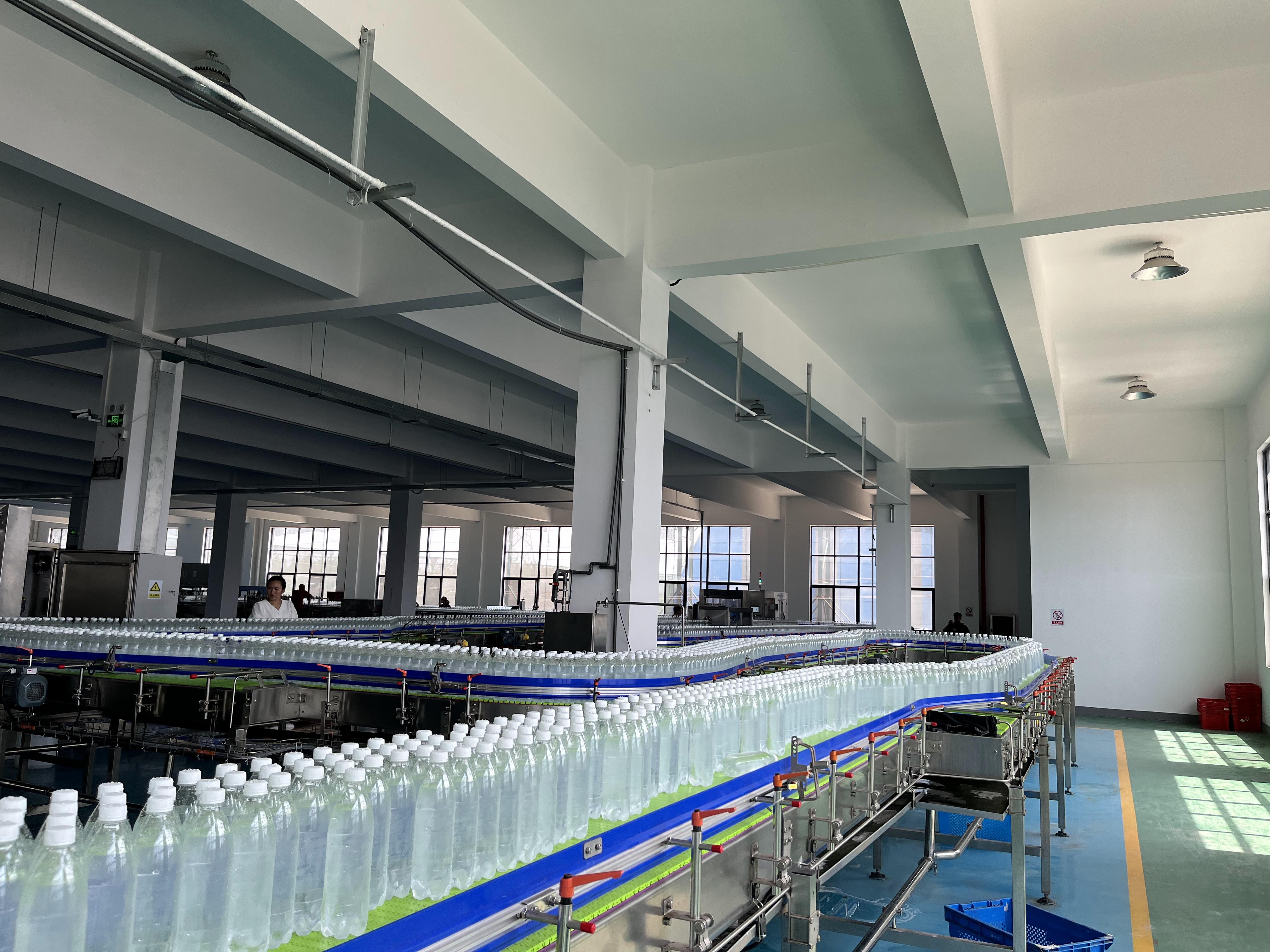
การจัดผังโรงงานที่ดีไม่ได้หมายถึงเพียงแค่เรียงเครื่องจักรเป็นแถวเท่านั้น แต่ยังรวมถึงการจัดให้สายการผลิตทั้งระบบไหลลื่น ประหยัดพื้นที่ และรองรับการปฏิบัติงานอย่างปลอดภัยด้วย ฉันต้องการแสดงให้คุณเห็นว่าฉันคิดเกี่ยวกับเรื่องนี้อย่างไรในทางปฏิบัติ
เมื่อฉันออกแบบผังโรงงาน ฉันมักเริ่มต้นจากกำลังการผลิต ประเภทขวด และขนาดของอาคาร เครื่องบรรจุน้ำอัดลมมีแรงดันสูงกว่าและมีขั้นตอนการผลิตมากกว่าเครื่องบรรจุน้ำเปล่า ดังนั้นผังโรงงานจึงจำเป็นต้องวางแผนอย่างรอบคอบ
สำหรับกำลังการผลิตก๊าซขั้นต่ำของเราที่ 2000 ขวดต่อชั่วโมง (BPH) สายการผลิตต้องใช้พื้นที่อย่างน้อย 10 x 15 ตารางเมตร ซึ่งเป็นพื้นที่พื้นฐานที่จำเป็นสำหรับติดตั้งอุปกรณ์หลัก พื้นที่ปฏิบัติงานของพนักงาน และพื้นที่สำหรับการเคลื่อนย้าย หากโรงงานมีขนาดเล็กกว่านี้ สายการผลิตอาจติดตั้งได้ยากและดำเนินการได้ลำบาก
โรงงานบรรจุขวดแบบครบวงจรโดยทั่วไปมักประกอบด้วยระบบบำบัดน้ำ การผสมสารละลายไซรัป การเป่าขวด การบรรจุ การปิดฝา การติดฉลาก การบรรจุภัณฑ์ และการจัดเรียงลงพาเลท ผังโรงงานต้องเชื่อมต่อส่วนต่าง ๆ เหล่านี้เข้าด้วยกันอย่างราบรื่น หากการไหลของกระบวนการไม่ชัดเจน พนักงานจะเสียเวลาในการเคลื่อนย้ายขวด กล่อง หรือพาเลทด้วยมือ
การจัดวางแบบกะทัดรัดสามารถช่วยลดต้นทุนด้านที่ดินได้ แต่ก็ยังต้องรักษาความคล่องตัวของกระบวนการผลิตไว้ด้วย หากเครื่องจักรอยู่ใกล้กันเกินไป ผู้ปฏิบัติงานจะไม่สามารถทำงานได้อย่างปลอดภัย หากเครื่องจักรอยู่ห่างกันเกินไป สายการผลิตจะมีประสิทธิภาพต่ำลง ฉันมักพยายามหาจุดสมดุลระหว่างสองประเด็นนี้เสมอ
| ปัจจัยการจัดผัง | แนวทางปฏิบัติที่ดี | ความเสี่ยงหากทำได้ไม่ดี |
|---|---|---|
| พื้นที่โรงงาน | อย่างน้อย 10 x 15 เมตร สำหรับสายการผลิต 2000 ขวดต่อชั่วโมง | อุปกรณ์อาจไม่สามารถติดตั้งได้เหมาะสม |
| ระยะห่างระหว่างเครื่องจักร | มีพื้นที่เพียงพอสำหรับการปฏิบัติงานและการบำรุงรักษา | การเข้าถึงยากขึ้น และการทำงานช้าลง |
| การไหลของวัสดุ | การไหลแบบทางเดียวที่ชัดเจน | ความสับสนในการเคลื่อนที่ของขวด |
| การเข้าถึงสาธารณูปโภค | การเข้าถึงอากาศ น้ำ ไฟฟ้า และท่อระบายน้ำได้อย่างสะดวก | ปัญหาในการติดตั้งเพิ่มมากขึ้น |
| พื้นที่ด้านความปลอดภัย | ทางผ่านที่ปลอดภัยสำหรับพนักงาน | ความเสี่ยงจากอุบัติเหตุสูงขึ้น |
โดยทั่วไปแล้ว ฉันจะออกแบบสายการผลิตจากด้านหน้าไปยังด้านหลัง โดยต้องการให้วัตถุดิบเข้ามาทางด้านหนึ่งของสายการผลิต และผลิตภัณฑ์สำเร็จรูปออกทางอีกด้านหนึ่ง ซึ่งจะช่วยให้กระบวนการผลิตเรียบง่ายและเป็นระเบียบ
โซนแรกคือบริเวณระบบบำบัดน้ำ ซึ่งควรวางไว้ใกล้แหล่งน้ำดิบให้มากที่สุดเท่าที่จะเป็นไปได้ โซนนี้มักประกอบด้วยขั้นตอนต่าง ๆ เช่น การกรอง การทำให้น้ำนุ่ม การแยกสารด้วยเยื่อหุ้มย้อนกลับ (Reverse Osmosis) หรือขั้นตอนการบำบัดอื่น ๆ การจัดวางที่เหมาะสมในบริเวณนี้จะช่วยลดระยะทางของท่อและทำให้การบำรุงรักษาง่ายขึ้น
สำหรับเครื่องดื่มที่มีแก๊สคาร์บอนไดออกไซด์ การจัดวางห้องผสมน้ำเชื่อมและระบบการเติมก๊าซคาร์บอนไดออกไซด์มีความสำคัญมาก โดยส่วนประกอบเหล่านี้ควรตั้งอยู่ใกล้กับโซนบรรจุให้มากที่สุด เนื่องจากระยะทางในการถ่ายโอนที่สั้นลงจะช่วยลดการสูญเสียผลิตภัณฑ์และรักษาเสถียรภาพของกระบวนการ CO2 ไว้ได้
นี่คือศูนย์กลางของโรงงาน ซึ่งเครื่องบรรจุ ระบบป้อนฝา และพื้นที่ตรวจสอบควรจัดเรียงให้เป็นเส้นตรงและสะอาดเรียบร้อย พนักงานต้องสามารถเข้าถึงพื้นที่ได้อย่างสะดวกเพื่อการตรวจสอบและทำความสะอาด นอกจากนี้ ฉันยังตรวจสอบให้มีพื้นที่เพียงพอสำหรับการบำรุงรักษาและการเปลี่ยนชิ้นส่วนด้วย
หลังจากขั้นตอนการบรรจุแล้ว ขวดจะถูกส่งไปยังขั้นตอนการติดฉลาก การบรรจุภัณฑ์ และการจัดเรียงบนพาเลท ซึ่งพื้นที่เหล่านี้มักใช้พื้นที่บนพื้นโรงงานมากกว่าที่ผู้คนคาดไว้โดยทั่วไป หากลูกค้าวางแผนจะใช้เครื่องห่อฟิล์ม เครื่องบรรจุกล่อง หรือหุ่นยนต์จัดเรียงพาเลท ฉันจะจัดสร้างพื้นที่เพิ่มเติมไว้ล่วงหน้าตั้งแต่ขั้นตอนการออกแบบ

นี่เป็นปัญหาที่พบได้บ่อยมาก ลูกค้าจำนวนมากต้องการเริ่มต้นด้วยรายการเครื่องจักรที่ดี แต่อาคารของพวกเขาเล็กเกินไป ในกรณีเช่นนี้ ฉันจะไม่บังคับให้จัดวางเครื่องจักรแบบชั้นเดียวที่ไม่เหมาะสม ฉันมักแนะนำโซลูชันแบบสองชั้นแทน
หากพื้นที่โรงงานไม่เพียงพอ จะจำเป็นต้องออกแบบให้เป็นอาคารสองชั้น ซึ่งจะทำให้มีพื้นที่ใช้งานเพิ่มขึ้นโดยไม่ต้องเปลี่ยนขนาดของที่ดิน ชั้นบนสามารถใช้สำหรับอุปกรณ์บรรจุภัณฑ์ ในขณะที่ชั้นล่างสามารถใช้สำหรับอุปกรณ์อื่นๆ ได้ สิ่งนี้จะทำให้โรงงานมีความเหมาะสมและใช้งานได้จริงมากขึ้นเมื่อพื้นที่ผืนดินมีข้อจำกัด
ในหลายกรณี ฉันจัดวางระบบสาธารณูปโภค การเตรียมสารละลายไซรัป หรือพื้นที่จัดเก็บไว้บนชั้นหนึ่ง และสายการบรรจุหลักไว้บนอีกชั้นหนึ่ง การแบ่งชั้นอย่างละเอียดนั้นขึ้นอยู่กับโครงสร้างอาคารและรายการเครื่องจักร ฉันจะตรวจสอบความสามารถในการรับน้ำหนักของพื้นทุกครั้งก่อนยืนยันแผนการออกแบบ
การจัดวางผังแบบสองชั้นมีประโยชน์ แต่ยังจำเป็นต้องใช้โครงสร้างอาคารที่แข็งแรงขึ้นและแผนการจัดการการเคลื่อนย้ายวัสดุที่ดีขึ้น อาจจำเป็นต้องมีลิฟต์ บันได และระบบถ่ายโอนสินค้า ซึ่งหมายความว่าต้นทุนการก่อสร้างอาจเพิ่มสูงขึ้น ดังนั้น ฉันจึงแนะนำทางเลือกนี้เฉพาะเมื่อมีข้อจำกัดด้านพื้นที่อย่างแท้จริง และโครงการจำเป็นต้องใช้เท่านั้น
| ตัวเลือก | ประโยชน์ | ข้อจำกัด |
|---|---|---|
| ผังแบบชั้นเดียว | การเคลื่อนย้ายทำได้ง่ายขึ้นและการติดตั้งง่ายกว่า | ต้องมีพื้นที่ดินเพียงพอ |
| ผังแบบสองชั้น | ใช้พื้นที่จำกัดได้อย่างมีประสิทธิภาพมากขึ้น | ต้นทุนการก่อสร้างและระบบถ่ายโอนสูงขึ้น |
| อาคารที่ขยายขนาดออก | ความยืดหยุ่นในระยะยาวที่ดีที่สุด | ต้นทุนที่ดินและการก่อสร้างสูงขึ้น |
ฉันมักพิจารณาเรื่องประสิทธิภาพและความปลอดภัยร่วมกันเสมอ โรงงานที่มีประสิทธิภาพแต่ไม่ปลอดภัย ไม่ใช่โรงงานที่ดี และโรงงานที่ปลอดภัยแต่ทำงานช้าเกินไป ก็จะล้มเหลวในตลาดเช่นกัน
ฉันพยายามหลีกเลี่ยงการให้เส้นทางของวัตถุดิบ ผลิตภัณฑ์สำเร็จรูป และพนักงานมาข้ามกัน การไหลแบบตรงๆ จะลดความสับสน และยังช่วยให้โรงงานดำเนินงานได้อย่างราบรื่นมากขึ้นในช่วงเวลาที่มีการผลิตหนาแน่น
เครื่องจักรจำเป็นต้องมีการเข้าถึง ช่างเทคนิคต้องมีพื้นที่เพียงพอในการตรวจสอบชิ้นส่วน เปลี่ยนวัสดุสิ้นเปลือง และทำความสะอาดอุปกรณ์ หากฉันออกแบบสายการผลิตให้แน่นเกินไป ลูกค้าจะประสบปัญหาในภายหลัง การเข้าถึงเพื่อการบำรุงรักษาจึงเป็นหนึ่งในส่วนสำคัญที่สุดของการจัดผังโรงงาน
พลังงาน น้ำ อากาศ ระบายน้ำ และระบบระบายอากาศ ทั้งหมดนี้จำเป็นต้องมีการวางแผนก่อนการติดตั้ง หากมองข้ามระบบเหล่านี้ ทีมติดตั้งจะเผชิญกับความล่าช้า ฉันจึงตรวจสอบรายละเอียดเหล่านี้ร่วมกับวิศวกรของลูกค้าเสมอ ก่อนการอนุมัติขั้นสุดท้าย
พนักงานต้องมีพื้นที่เดินที่ปลอดภัย การเข้าถึงระบบควบคุมอย่างชัดเจน และเส้นทางออกฉุกเฉินที่ใช้งานได้ง่าย ฉันไม่ชอบการจัดวางที่ให้ความรู้สึกแออัด การจัดวางที่ปลอดภัยจะส่งเสริมวินัยในการผลิตที่ดีขึ้น และเพิ่มความมั่นใจของทีมงาน
| หลักความปลอดภัยและประสิทธิภาพ | เหตุผลที่สิ่งนี้สำคัญ |
|---|---|
| รักษาการไหลของผลิตภัณฑ์แบบทางเดียว | ลดจุดติดขัด |
| แยกพื้นที่สะอาดและพื้นที่สกปรกออกจากกัน | ส่งเสริมสุขอนามัย |
| จัดสรรพื้นที่สำหรับการบำรุงรักษา | ลดระยะเวลาการซ่อมแซม |
| ตรวจสอบความสามารถในการรับน้ำหนักของพื้น | ปกป้องอุปกรณ์และอาคาร |
| จัดเตรียมทางเดินที่ชัดเจน | ยกระดับความปลอดภัยของพนักงาน |
หากคุณต้องการโรงงานผลิตเครื่องดื่มอัดลม ฉันขอแนะนำให้เริ่มต้นด้วยความจุการผลิตและขนาดอาคารก่อนเป็นอันดับแรก อย่าซื้อเครื่องจักรก่อนที่คุณจะทราบว่าพื้นที่ดังกล่าวสามารถรองรับเครื่องจักรเหล่านั้นได้หรือไม่ การจัดวางผังโรงงานอย่างเหมาะสมจะช่วยประหยัดค่าใช้จ่ายในระยะยาว
สำหรับกำลังการผลิต 2000 ขวดต่อชั่วโมง (BPH) พื้นที่ขั้นต่ำที่จำเป็นคือ 10 × 15 ตารางเมตร นี่คือจุดเริ่มต้นของฉัน หากเป้าหมายการผลิตของคุณสูงกว่านี้ ความต้องการพื้นที่ก็จะเพิ่มขึ้นตามไปด้วย ฉันมักปรับผังโรงงานให้สอดคล้องกับความต้องการผลิตจริง
เพียงแค่รายการเครื่องจักรนั้นไม่เพียงพอ ฉันต้องการเห็นแผนโรงงานแบบครบวงจร ซึ่งรวมถึงผังกระบวนการผลิต จุดเชื่อมต่อสาธารณูปโภค (utility points) พื้นที่บรรจุภัณฑ์ และพื้นที่เก็บสินค้าสำเร็จรูป ซึ่งจะช่วยหลีกเลี่ยงข้อผิดพลาดก่อนเริ่มก่อสร้าง
หากตลาดท้องถิ่นเติบโต โรงงานควรพร้อมรองรับการเพิ่มขึ้นของกำลังการผลิต ฉันมักจัดเตรียมพื้นที่สำรองไว้ล่วงหน้าเมื่อเป็นไปได้ และหากพื้นที่มีข้อจำกัด ฉันจะออกแบบผังโรงงานให้มีความยืดหยุ่น เพื่อให้ลูกค้าสามารถอัปเกรดระบบได้ในอนาคต
โรงงานบรรจุเครื่องดื่มอัดลมแบบครบวงจรต้องใช้พื้นที่อย่างน้อย 10 x 15 ตารางเมตรสำหรับความเร็วการผลิต 2,000 ขวดต่อชั่วโมง (BPH) และหากมีพื้นที่จำกัด การจัดวางโครงสร้างแบบสองชั้นถือเป็นทางออกที่เหมาะสมและปฏิบัติได้จริงที่สุด
รับแบบแปลนโรงงานแบบ 3 มิติฟรีและการเสนอราคาค่าใช้จ่ายโครงการภายใน 24 ชั่วโมง
มุ่งเน้นการให้คำปรึกษาแบบครบวงจรสำหรับระบบการบรรจุของเหลวและบรรจุภัณฑ์ พร้อมทั้งออกแบบระบบเฉพาะทางและโครงการแบบครบวงจร
สงวนลิขสิทธิ์ © บริษัท จีมองซู อีคิวเอส แมชชีนเนอรี่ จำกัด