 EN
EN


When I plan a carbonated drink factory, I often see the same problem. The customer wants more output, but the building space is too small. A bad layout can make the whole project slower and more expensive.
For a carbonated soft drink bottling plant with a minimum gas production capacity of 2000BPH, the minimum footprint is 10 x 15 square meters. If the factory area is not enough, I recommend building the line on two floors.
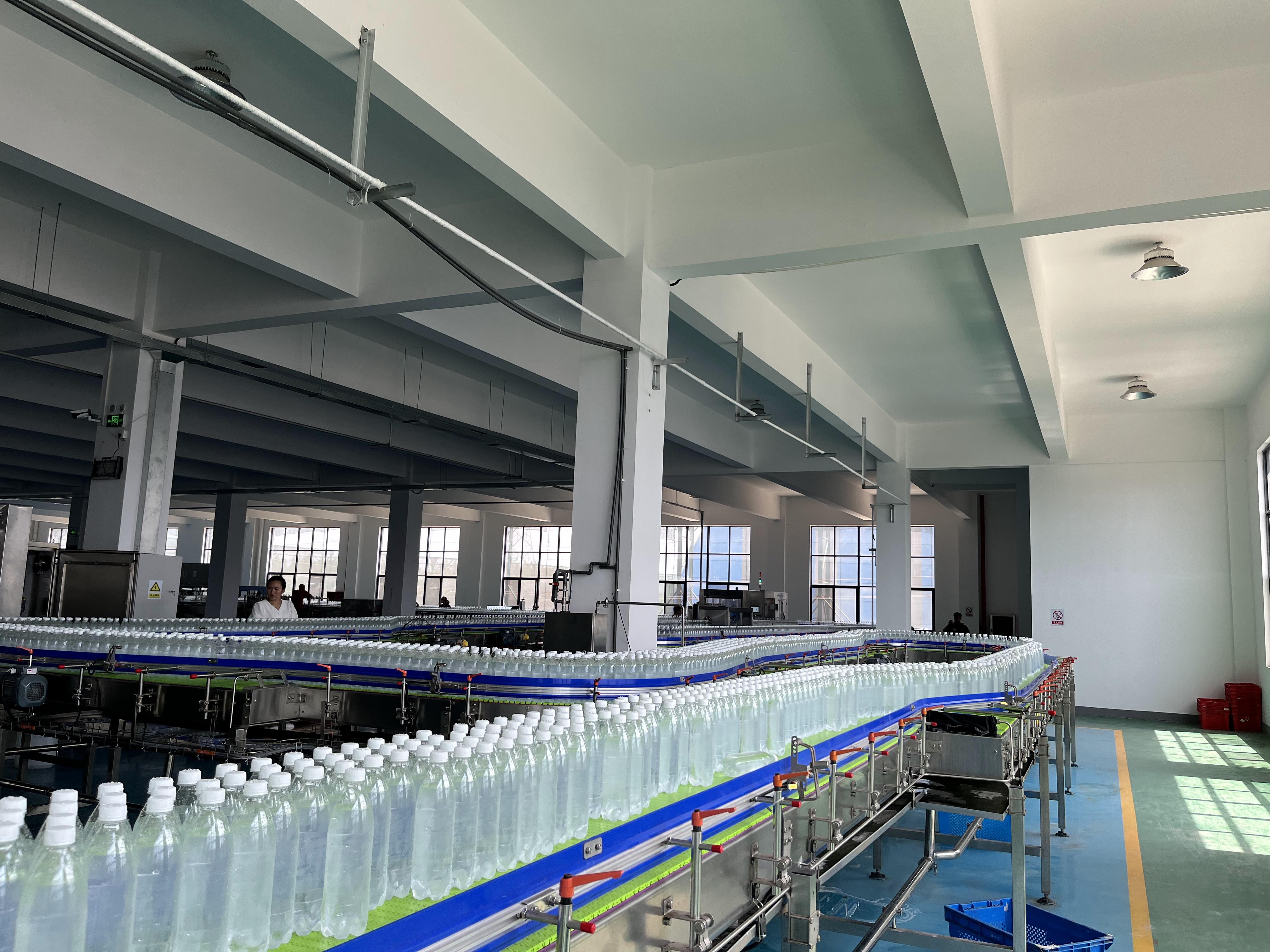
A good plant layout is not only about placing machines in a row. It is about making the whole line flow well, saving space, and supporting safe operation. I want to show you how I think about it in a practical way.
When I design a layout, I always start from capacity, bottle type, and building size. A carbonated soft drink line has more pressure and more process steps than plain water. So the layout must be planned with care.
For our minimum gas production capacity of 2000BPH, the line needs at least 10 x 15 square meters. This is the basic space needed to fit the main equipment, operator area, and movement space. If the plant is smaller than this, the line may become hard to install and hard to run.
A complete bottling plant usually includes water treatment, syrup mixing, bottle blowing, filling, capping, labeling, packing, and palletizing. The layout must connect all these parts in a smooth way. If the flow is not clear, workers will waste time moving bottles, cartons, or pallets by hand.
A compact layout can save land cost, but it must still protect production flow. If the machines are too close together, operators cannot work safely. If the machines are too far apart, the line becomes inefficient. I always try to balance these two points.
| Layout Factor | Good Practice | Risk if Poor |
|---|---|---|
| Factory footprint | At least 10 x 15 m for 2000BPH | Equipment may not fit well |
| Machine spacing | Enough room for operation and maintenance | Harder access and slower work |
| Material flow | Clear one-way flow | Bottle traffic confusion |
| Utility access | Easy access to air, water, power, drain | More installation problems |
| Safety space | Safe passage for workers | Higher accident risk |
I usually design the line from front to back. I want the raw materials to enter one side and the finished products to leave from the other side. This helps keep the process simple and clean.
The first zone is the water treatment area. This section should be placed near the raw water source if possible. It usually includes filtration, softening, reverse osmosis, or other treatment steps. Good placement here reduces piping distance and makes maintenance easier.
For carbonated drinks, the syrup room and carbonation system are very important. These parts should be placed close to the filling section. Shorter transfer distance helps reduce product loss and keeps the CO2 process stable.
This is the core of the plant. The filling machine, cap feeding system, and inspection area should be arranged in a straight and clean way. Workers need easy access for monitoring and cleaning. I also make sure there is enough space for maintenance and part replacement.
After filling, the bottles go to labeling, packing, and palletizing. These areas often take more floor space than people expect. If the customer plans to use a film wrapper, carton packer, or robotic palletizer, I reserve extra room early in the design stage.

This is a very common issue. Many customers want to start with a good machine list, but their building is too small. In that case, I do not force a bad single-floor layout. I often suggest a two-floor solution.
If the factory area is not enough, it needs to be made into two floors. This gives more usable space without changing the land size. The upper layer can be used for packaging equipment, while the lower floor can hold others. This can make the plant more practical when the ground footprint is limited.
In many cases, I place utility systems, syrup preparation, or storage on one floor, and the main filling line on the other. The exact division depends on the building structure and the machine list. I always check the load capacity of the floor before I confirm the plan.
A two-floor layout is useful, but it also needs a stronger building structure and better material movement planning. Lifts, stairs, and transfer systems may be needed. That means the construction cost can rise. So I only recommend this option when the space limit is real and the project needs it.
| Option | Benefit | Limitation |
|---|---|---|
| Single-floor layout | Easier movement and simpler installation | Needs enough land |
| Two-floor layout | Better use of limited space | Higher building and transfer cost |
| Expanded building | Best long-term flexibility | Higher land and construction cost |
I always think about efficiency and safety together. A plant that is efficient but unsafe is not a good plant. A plant that is safe but too slow will also fail in the market.
I try to avoid crossing paths between raw materials, finished products, and workers. A straight flow reduces confusion. It also helps the factory run more smoothly during busy shifts.
Machines need access. Technicians need space to inspect parts, change consumables, and clean equipment. If I design a line too tightly, the customer will suffer later. Maintenance access is one of the most important parts of plant layout.
Power, water, air, drainage, and ventilation all need to be planned before installation. If these systems are ignored, the installation team will face delays. I always check these details with the customer’s engineer before final approval.
Workers need safe walking space, clear control access, and easy emergency exit paths. I do not like layouts that feel crowded. A safe layout supports better production discipline and better team confidence.
| Safety and Efficiency Rule | Why It Matters |
|---|---|
| Keep one-way product flow | Reduces bottlenecks |
| Separate clean and dirty zones | Improves hygiene |
| Reserve maintenance space | Shortens repair time |
| Check floor load capacity | Protects equipment and building |
| Provide clear walkways | Improves worker safety |
If you want a carbonated soft drink plant, I suggest you start with capacity and building size first. Do not buy machines before you know if the space can hold them. A good layout saves money later.
For 2000BPH, the minimum footprint is 10 x 15 square meters. This is my starting point. If your target is higher, the space demand will also grow. I always adjust the layout based on real output needs.
A machine list alone is not enough. I want to see the full plant plan, including process flow, utility points, packing zone, and finished goods area. This helps avoid mistakes before construction starts.
If the local market grows, the plant should be ready for more output. I often reserve extra space when possible. If space is limited, I make the layout flexible so the customer can upgrade later.
A complete carbonated soft drink bottling plant needs at least 10 x 15 square meters for 2000BPH, and if space is tight, a two-floor layout is the best practical solution.
Get a Free 3D Plant Layout & Project Cost Quotation Within 24 Hours
Copyright © JIANGSU EQS MACHINERY CO.,LTD