 EN
EN


ကျွန်ုပ်သည် အရည်သောက်စပါးစက်ရုံများ၏ ဝယ်ယူရေးအဖွဲ့များနှင့် စကားပြောဆိုသည့်အခါ အများအားဖြင့် အလားတူပြဿနာကိုပဲ ကြုံတွေ့ရလေ့ရှိပါသည်။ ၎င်းတို့သည် စက်တစ်လုံးစီကို တစ်ခါတည်း ဝယ်ယူပြီးနောက် လုပ်ငန်းလုပ်ဆောင်မှုအစီအစဥ် တစ်ခုလုံးကို ထိန်းသိမ်းရန် ခက်ခဲလာပါသည်။
ကျွန်ုပ်သည် အလုပ်လုပ်ရန် အဆင်သင့်ဖြစ်ပြီးသား အရည်သောက်စပါး ခူးထုပ်လုပ်လိုင်းကို ရွေးချယ်ပါသည်။ အကြောင်းမှာ ပေးသောသူတစ်ဦးသည် အစိတ်အပိုင်းအားလုံးကို ကိုက်ညီစေပြီး လုပ်ငန်းစီစဥ်မှုသည် တည်ငြိမ်စေကာ ထိန်းချုပ်မှုများသည် စုစည်းမှုရှိစေပြီး စက်ရုံတစ်ခုလုံးကို တပ်ဆင်ရန်၊ လုပ်ဆောင်ရန်နှင့် ပံ့ပိုးပေးရန် ပိုမိုလွယ်ကူစေသောကြောင့်ဖြစ်ပါသည်။

ဤမေးခွန်းသည် အရေးကြီးသည်ဟု ကျွန်ုပ်ထင်ပါသည်။ အကြောင်းမှာ ဝယ်သူအများစုသည် စက်တစ်လုံးချင်းစီ၏ စျေးနှုန်းကိုသာ အာရုံစိုက်ကြသည့်အတွက် အမှန်တကယ့် စုစုပေါင်းစုတ်ကုန်စရိတ်ကို ဖုံးကွယ်ထားနိုင်သည်။ လိုင်းကို ကောင်းစွာမကူးပေးပါက စက်ရုံသည် အချိန်ကွန်ရက်မှုများ၊ အမြန်နှုန်းကွာခြားမှုများ၊ ထုတ်ကုန်ဆုံးရှုံးမှုများနှင့် ပုံမှန်မဟုတ်သည့် ပြဿနာဖြေရှင်းရေးအချိန်ကြာမှုများကို ရင်ဆိုင်ရနိုင်ပါသည်။ တန်းလုံးစုံ လိုင်း (Turnkey line) သည် ဤပြဿနာများကို စတင်မှုမီ အများစုကို ဖြေရှင်းပေးနိုင်ပါသည်။
ကျွန်ုပ်သည် တန်းလုံးစုံ လိုင်းကို ပေးသောသူတစ်ဦးမှ အပြည့်အဝ ထုတ်လုပ်မှုစနစ်အဖြစ် သတ်မှတ်ပါသည်။ ထိုစနစ်သည် အပိုင်းအစများအဖြစ် ခြောက်ခြောက်လုံးလုံး အစိတ်အပိုင်းများကို အမြဲတမ်း ညှိပေးရန် လိုအပ်သည့် စက်များအဖြစ် မဟုတ်ဘဲ တစ်ခုတည်းသော အပြည့်အဝ အလုပ်လုပ်နိုင်သည့် စနစ်အဖြစ် တည်ဆောက်ထားပါသည်။
တန်းလုံးစုံ လိုင်းတွင် ရေသန့်စင်ခြင်း၊ ဘူးဖွေးခြင်း၊ ဆေးကြောခြင်း၊ ဖြည့်ခြင်း၊ ဖုံးခြင်း၊ အမှတ်အသားတပ်ခြင်း၊ ကုဒ်ရေးသွင်းခြင်း၊ အော်ပေါင်းထုပ်ခြင်းနှင့် ပလေးလက် စီစဉ်ခြင်း စသည့် လုပ်ငန်းများ ပါဝင်နိုင်ပါသည်။ ကျွန်ုပ်သည် ဤချဉ်းကပ်မှုကို နှစ်သက်ပါသည်။ အကြောင်းမှာ လုပ်ငန်းအဆင့်တစ်ခုချင်းစီကို နောက်လုပ်ငန်းအဆင့်အတွက် ဒီဇိုင်းထုတ်ထားသည့်အတွက် ဖြစ်ပါသည်။
စက်များကို အစီအစဥ်မရှိဘဲ တစ်လုံးချင်းစီ ရွေးချယ်ခြင်းများ မပါဝင်ပါ။ ပေးသောသူသည် ပို့ဆောင်မှုမှီ အမြန်နှုန်း၊ ဆက်သွယ်ရေးနှင့် အရွယ်အစား ကူးပေးမှုများကို စစ်ဆေးပါသည်။
PLC ထိန်းချုပ်မှုယန္တရားကို လုံးဝအသုံးပြုသည့်အခါ စက်မှုလုပ်သက်များသည် စနစ်ကို ပိုမိုရှင်းလင်းစွာ နားလည်နိုင်ပါသည်။ ထို့ကြောင့် နေ့စဉ်လုပ်ငန်းများကို ပိုမိုလွယ်ကူစေပါသည်။
| တူးဖော်ပေးသည့်လိုင်းအင်္ဂါရပ် | ဝယ်သူအတွက်အဓိပ္ပာယ်ဖွင့်ဆိုချက် |
|---|---|
| တစ်ခုတည်းသော ပေးသွင်းသူ | တစ်ခုတည်းသော တာဝန်ယူမှုနေရာ |
| လုပ်ငန်းစဉ်အပြည့်အစုံ | လိုင်းတစ်ခုလုံးအတွက် အကုန်အကျပေးခြင်း |
| စံချိန်ညှိထားသည့် PLC | ထိန်းချုပ်ရလွယ်ကူခြင်း |
| အမျှတသောအမြန်နှုန်း | လိုင်း၏ စဥ်ဆက်မပါသော တည်ငြိမ်မှု ပိုမိုကောင်းမွန်ခြင်း |
ကျွန်ုပ်သည် ကိုက်ညီမှုသည် တန်းလျားစီမံကုန်ပစ္စည်းမှု လိုင်းကို ရွေးချယ်ရာတွင် အကြီးမားဆုံး အကြောင်းရင်းများထဲမှ တစ်ခုဖြစ်သည်ဟု ထင်မိပါသည်။ ဘူးဖိအိပ်စက်ရုံသည် စက်များအုပုံအုပ်စုသာမျှသာ မဟုတ်ပါ။ ၎င်းသည် ဆက်စပ်နေသော စီးဆင်းမှုတစ်ခုဖြစ်ပါသည်။ အစိတ်အပိုင်းတစ်ခုသည် အလွန်မြန်သည် (သို့) အလွန်နှေးသည်ဖြစ်ပါက လိုင်း၏ ကျန်အစိတ်အပိုင်းများသည် ထိခိုက်မှုကို ခံရပါလိမ့်မည်။
ဖိအိပ်စက်သည် လိုက်ကပ်စက်ထက် မြန်ပါက ဘူးများသည် စုပုံလာပါလိမ့်မည်။ အထုပ်ဖို့စက်သည် ဖိအိပ်စက်ထက် နှေးပါက လိုင်းသည် အကြိမ်ကြိမ် ရပ်တန့်ရပါလိမ့်မည်။
ထိန်းချုပ်မှုစနစ်များ မတူညီသော “ဘာသာစကား” များကို ပြောနိုင်ပါသည်။ ထိုသို့ဖြစ်ခြင်းကြောင့် စနစ်ပေါင်းစည်းမှုသည် ပိုမိုခက်ခဲပါလိမ့်မည်။ အမှားအမှားများကို ရှာဖွေဖော်ထုတ်ရှင်းလျှင်လည်း ပိုမိုနှေးကွေးပါလိမ့်မည်။
စက်များသည် တူညီသော အမြန်နှုန်းဖြင့် မလှုပ်ရှားပါက အစိတ်အပိုင်းများသည် တုန်ခါမှု၊ ပေါင်းမှု (သို့) အများအားဖြင့် ပိုမိုမြန်မြန် ပုံပေါ်လာမှုများ ဖြစ်ပေါ်လာနိုင်ပါသည်။
မှားယွင်းသော ကိုက်ညီမှုသည် မတည်ငြိမ်သော ဖြည့်သွင်းမှု၊ အဖုံးပိတ်ခြင်း အားနည်းခြင်း သို့မဟုတ် ပျက်စီးသော အမှတ်အသားများကို ဖြစ်ပေါ်စေနိုင်သည်။ ထိုအရာသည် စွန့်ပစ်ပစ္စည်းများနှင့် ဖောက်သည်များ၏ တိုင်ကြားမှုများကို ဖန်တီးလိုက်သည်။
| ကိုက်ညီမှု ပြဿနာ | ဖলော်ကောင်း |
|---|---|
| အမြန်နှုန်း ကွာဟချက် | ကျဉ်းမြောင်းမှုများ |
| ဆက်သွယ်ရေး ကွာဟချက် | ထိန်းချုပ်မှု အမှားများ |
| ယန္တရား ကွာဟချက် | ပိုမို ပျက်စီးခြင်း |
| လုပ်ငန်းစဉ် ကွာဟချက် | အရည်အသွေး နိမ့်ပါးခြင်း |
ကျွန်တော်သည် စံချိန်စံညွှန်း PLC ထိန်းချုပ်မှုကို ကြိုက်နှစ်သက်ပါသည်။ အကြောင်းမှာ ၎င်းသည် စက်ရုံအား တစ်ခုတည်းသော ယုက္တိစနစ်ကို ပေးစေသောကြောင့်ဖြစ်ပါသည်။ ထို့ကြောင့် လုပ်ငန်းလုပ်ဆောင်မှုအားလုံးကို ပိုမိုလွယ်ကူစွာ စီမံခန့်ခွဲနိုင်ပါသည်။
လုပ်သက်များသည် ထိန်းချုပ်မှုပုံစံများစွာကို သင်ယူရန် မလိုအပ်ပါ။ ၎င်းတို့သည် စနစ်တစ်ခုတည်းကို အသုံးပြုကြပါသည်။
လုပ်ငန်းလုပ်ဆောင်မှု ရပ်နေပါက၊ ထိန်းချုပ်မှုစနစ်သည် ပြဿနာဖြစ်ပွားရာနေရာကို ပြသပေးနိုင်ပါသည်။ ထို့ကြောင့် အချိန်ကုန်သက်သက်သာသာ ဖြစ်ပါသည်။
PLC တစ်ခုတည်းဖြင့် စီးဆင်းမှုကို ထိန်းချုပ်ပါက၊ လုပ်ငန်းလုပ်ဆောင်မှုကို စတာတ်၊ ရပ်နာ၊ ညှိနောင်းခြင်းတို့ကို ပိုမိုချောမွေ့စွာ ဆောင်ရွက်နိုင်ပါသည်။
ဝယ်သူသည် နောက်ပိုင်းတွင် ချဲ့ထွင်လိုပါက၊ စံချိန်စံညွှန်းထိန်းချုပ်မှုအခြေခံပေါ်တွင် တည်ဆောက်ရန် ပိုမိုလွယ်ကူပါသည်။
| PLC အကျေးကျေးကျေး | လက်တွေ့ကျသော အကျေးကျေးကျေး |
|---|---|
| အင်တာဖေးစ်တစ်ခု | လေ့ကျင့်ရလွယ်ကူခြင်း |
| ရှင်းလင်းသော အလာမ်များ | အမြန်ဆုံး ရှာဖွေရှာဖွေးခြင်း |
| မျှဝေသုံးသော ယုက္တိ | ပိုမိုချောမွေ့စွာ လည်ပတ်ခြင်း |
| စံသတ်မှတ်ထားသော အခြေခံ | ပိုမိုလွယ်ကူစွာ ချဲ့ထွင်နိုင်ခြင်း |
ကျွန်ုပ်သည် အမြဲတမ်း အလျင်အမြန် အသွားအလာကို စဥ်ဆက်မပြတ် ပုလင်းဖွက့ခြင်းလိုင်း၏ ဖုံးကွယ်နေသော အဓိကအစိတ်အပိုင်းအဖြစ် မြင်ပါသည်။ လိုင်းသည် ယူနစ်တစ်ခုချင်းစီသည် စနစ်တကျ လည်ပတ်နေသည့်အခါတွင်သာ ကောင်းစွာ အလုပ်လုပ်နိုင်ပါသည်။
ခွက်များ အဆက်မပြတ်စီးဆင်းနေပါက ထိခိုက်မှု၊ လှဲကျမှုနှင့် ကွဲပဲမှုများ လျော့နည်းသည်။
အမြဲတမ်းအမြန်နှုန်းဖြင့် လည်ပတ်ခြင်းသည် ရုတ်တရက်ရပ်နေမှုများနှင့် ပိတ်ဆို့မှုများကို လျော့နည်းစေသည်။
အမြဲတမ်းအမြန်နှုန်းဖြင့် လည်ပတ်သော ထုတ်လုပ်မှုလိုင်းသည် နေ့စဉ်ထုတ်လုပ်မှုကို ပိုမိုယုံကြည်စေသည်။
စနစ်သည် တည်ငြိမ်နေပါက ဖြည့်သွင်းမှုပမာဏ၊ ဖုံးအ пок်အားနှင့် အမည်စာတန်းတပ်ဆင်ရာနေရာများကို သတ်မှတ်အတွင်းတွင် ထိန်းသိမ်းရန် ပိုမိုလွယ်ကူသည်။
| အမြန်နှုန်းအကျိုးကျေးဇူး | စက်ရုံရလဒ် |
|---|---|
| အဆက်မပြတ်စီးဆင်းမှု | ပိုမိုနည်းပါးသော ပျက်စီးမှု |
| တည်ငြိမ်သော စီးချိန် | မော်တာများတွင် ပိုမိုနည်းပါးသော downtime |
| အမျှတသော ထွက်ပေါ်မှု | ပိုမိုကောင်းမွန်သော အစီအစဉ်ရေးဆွဲမှု |
| ထိန်းချုပ်ထားသော လှုပ်ရှားမှု | ပိုမိုကောင်းမွန်သော အရည်အသွေး |
ကျွန်ုပ်သည် အလုပ်လုပ်သော စက်မှုကုန်ပစ္စည်းများကို တစ်ခုချင်းစီ ဝယ်ယူခြင်းသည် အမျှော်အမှီ မှားယွင်းသည်ဟု မထင်ပါ။ သို့သော် ဝယ်ယူသူသည် နည်းပညာဆိုင်ရာ ပေါင်းစပ်မှု အထောက်အပံ့ကို အားကောင်းစွာ မရရှိပါက အန္တရာယ်များ ပိုမိုများပါသည်။
စက်တစ်လုံးစီသည် ပိုမိုကွဲပားသော ပေးသွင်းသူများထံမှ လာနိုင်ပါသည်။ ထို့ကြောင့် တပ်ဆင်ခြင်းနှင့် စတာတ်အပ်ခြင်းအတွင်း အလုပ်ပမှားများပါသည်။
လိုင်းမှာ ပျက်သောကြောင့် အဖြစ်မှုကို ပေးသော ပေးသုံးသူတစ်ဦးချင်းစီသည် အခြားသော ယူနစ်တစ်ခုကို အပ်နှံနေသည်။ ထိုသို့ဖြင့် ပြဿနာဖြေရှင်းမှုသည် နှေးကွေးသွားသည်။
အများအပြားသော အများအပြားသော အမျိုးအစားများနှင့် မော်ဒယ်များသည် အစိတ်အပိုင်းအမျိုးအစားများကို ပိုမိုများပေးပြီး စုံစမ်းမှုဖိအားကို ပိုမိုများပေးသည်။
စက်ရုံသည် ကိုယ်တိုင် ပိုမိုများသော ပြဿနာများကို ဖြေရှင်းရမည်။ ထိုသို့ဖြင့် နည်းပညာဆိုင်ရာ ဝန်ထမ်းအင်အား အနည်းငယ်သာရှိသည့် အဖွဲ့များအတွက် ခက်ခဲနိုင်သည်။
| စက်တစ်လုံးချင်းစီ၏ အန္တရာယ် | ဝယ်သူအပေါ် သက်ရောက်မှု |
|---|---|
| ရောထောင်ထားသော ပေးသုံးသူများ | ပေါင်းစပ်ရာတွင် ပိုမိုခက်ခဲခြင်း |
| အသီးသီးသော ဝန်ဆောင်မှုအဖွဲ့များ | အထောက်အပံ့နှုန်းနှေးခြင်း |
| အပိုစိတ်များ များပြားခြင်း | သိုလှောင်မှု ဝန်ထုပ်များ ပိုများခြင်း |
| တာဝန်များ မျှဝေရာတွင် အကွက်ဖွင့်မှုများ | ပရောဂျက်ဆိုင်ရာ အန္တရာယ်များ ပိုများခြင်း |
ဝယ်သူများသည် တန်ကီလိုင်းတစ်ခုသည် အစတွင် ပိုများသည်ဟု မြောက်မြောက်မြားမြား ပြောလေ့ရှိသည်။ အချို့သော အခြေအနေများတွင် ထိုသို့ဖြစ်နိုင်သည်။ သို့သော် အချိန်ကြာလေး စုစုပေါင်းစရိတ်များမှာ များသောအားဖေးဖေး နိမ့်သည်။
ကြိုတင်ကိုက်ညီသော လိုင်းတစ်ခုသည် လုပ်ငန်းခွင်တွင် ပြင်ဆင်မှုနည်းပါသည်။ ထိုသို့ဖြင့် အချိန်နှင့် လုပ်သမ်းအင်အားကို ချွေတာပေးပါသည်။
စနစ်ကို ကြိုတင်ကိုက်ညီထားပါက စက်ရုံသည် တည်ငြိမ်သော ထုတ်လုပ်မှုအဆင့်သို့ ပိုမြန်မြန်ရောက်ရှိနိုင်ပါသည်။
လိုင်းသည် ပိုမိုချောမွေ့စွာ လည်ပတ်ပါက စက်ရုံသည် ထုတ်လုပ်မှုအချိန်များကို ပိုမိုနည်းပါးစွာ ဆုံးရှုံးပါသည်။
ပေးသောက်သူတစ်ဦးနှင့် စနစ်တစ်ခုသည် ဝန်ဆောင်မှုကို ပိုမိုလွယ်ကူစေပါသည်။
| ကုန်ကျစရိတ်နယ်ပယ် | တန်းကိုင်ကုန်စုပ်မှုအကျိုးကျေးဇူး |
|---|---|
| တပ်ဆင်မှု | ညှိမှုအလုပ်များ ပိုမိုနည်းပါးခြင်း |
| စတင်မှု | ပိုမိုမြန်ဆန်သော စတင်မှု |
| လုပ်ဆောင်ချေးကြေး | ရပ်နားမှုများ ပိုမိုနည်းပါးခြင်း |
| ပြုပြင်ထိန်းသိမ်းမှု | ပိုမိုရှုပ်ထွေးမှုနည်းသော ဝန်ဆောင်မှု |
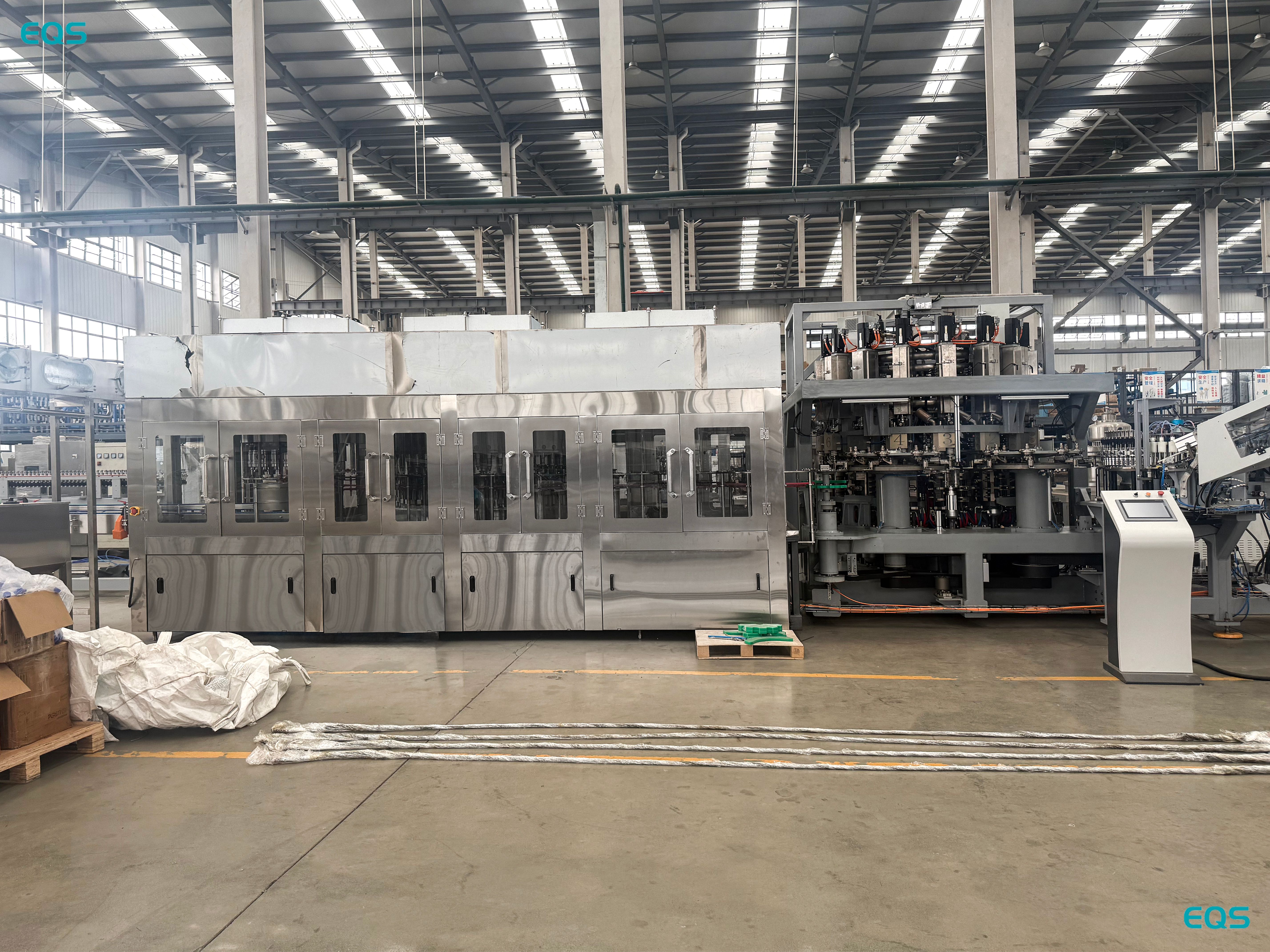
ကျွန်တော်သည် အရည်အသွေးထိန်းချုပ်မှုသည် တစ်ခုတည်းသော စနစ် (turnkey system) အတွက် အားကောင်းသော အကြောင်းပြချက်များထဲမှ တစ်ခုဖြစ်သည်ဟု ထင်ပါသည်။ အရက်နှင့် အချိုရည်များကို ဝယ်ယူသူများသည် အရည်အသွေးတည်ငြိမ်သော ထုတ်ကုန်များကို လိုလားပါသည်။ ထို့အတူ အရည်အသွေးတည်ငြိမ်သော ထုတ်ကုန်များအတွက် အရည်အသွေးတည်ငြိမ်သော စက်ကို လိုအပ်ပါသည်။
ကိုက်ညီသော ဖြည့်သွင်းစက်သည် အထက်ဆင့်နှင့် အောက်ဆင့် စီးဆင်းမှုများနှင့် ပိုမိုကောင်းမွန်စွာ အလုပ်လုပ်နိုင်ပါသည်။ ထိုသို့ဖြင့် ပမီးသော ပမြောင်းများကို ပိုမိုတည်ငြိမ်စွာ ထိန်းသိမ်းနိုင်ပါသည်။
ဖုံးအ покрытие စက်သည် ခွက်များ ပို့ဆောင်မှုနှင့် ခွက်များကို ကိုင်တွယ်မှုနှင့် တစ်ပါတည်း အလုပ်လုပ်နိုင်ပါသည်။
ခွက်များသည် အမြဲတမ်း အမြန်နှုန်းတူညီစွာ ရွှေ့လျားနေပါက လိုဂိုကပ်ခြင်းသည် ပိုမိုသန့်ရှင်းပြီး တိကျမှုရှိပါသည်။
စနစ်တစ်ခုလုံး ပေါင်းစပ်ထားသော လိုင်းသည် လုပ်ငန်းစဉ်အားလုံးတွင် လုပ်ငန်းစဉ်အချက်အလက်များကို စုဆောင်းရန် ပိုမိုလွယ်ကူစေပါသည်။
| အရည်အသွေးနယ်ပယ် | တစ်ခုတည်းသော စနစ် (turnkey) ၏ အကျိုးကျေးဇူးများ |
|---|---|
| ဖောင်ထည့် | ပိုမိုတိကျသောတိက်မှု |
| အပေါ်ယံအဖုံး | ပိုမိုတည်ငြိမ်သော အပိုင်းအစ ပေါင်းကပ်မှု |
| တံဆိပ်တပ်ခြင်း | ပိုမိုသန့်ရှင်းသော အနေအထား |
| လိုင်စင်ရေးမှတ်တမ်းခံစာရင်း | ပိုမိုကောင်းမွန်သော ဒေတာစီးဆင်းမှု |
ဝယ်သူသည် ပရောဂျက်အန္တရာယ်ကို လျှော့ချလိုပါက နှင့် ပိုမ быстр စတင်လုပ်ဆောင်လိုပါက ကျွန်ုပ်သည် တာန်ကီဖြေရှင်းနည်းများကို အများအားဖြင့် အကြံပေးလေ့ရှိပါသည်။
အရွယ်အစားကြီးမားသော စက်ရုံများသည် ပိုမိုများပြားသော ညှိနှိုင်းမှုများကို လိုအပ်ပါသည်။ တာန်ကီချဉ်းကပ်မှုသည် ရှုပ်ထွေးမှုကို လျှော့ချပေးပါသည်။
စက်ရုံတွင် အင engineering အဖွဲ့ကြီးများ မရှိပါက ပေးသောသူတစ်ဦးသည် အလုပ်ကို ပိုမိုလွယ်ကူစေပါသည်။
ပရီမီယံအဆိုးသမ်းထုတ်ကုန်များအတွက် စက်လိုင်း၏ စဥ်ဆက်မပါသော စွမ်းဆောင်ရည်သည် အလွန်အရေးကြီးပါသည်။
ဝယ်သူသည် ထုတ်လုပ်မှုကို အမျန်စတင်လိုပါက တန်းကိုင် အထောက်အပံ့များဖြင့် လုပ်ငန်းစတင်ရေးလမ်းကြောင်းကို တိုတောင်းစေနိုင်ပါသည်။
| အကောင်းဆုံးအသုံးချမှုအတွက် | ဘာကြောင့် ကြီးမားသော စီမံကိန်းများအတွက် သင့်တော်သလဲ |
|---|---|
| ကြီးမားသော စီမံကိန်း | ပိုမိုကောင်းမွန်သော ညှိနှိုင်းမှု |
| သေးငယ်သော နည်းပညာအဖွဲ့ | စီမံခန့်ခွဲရေး ပိုမိုလွယ်ကူခြင်း |
| အရည်အသွေးမြင့် ပစ္စည်း | အောက်ချင်းမှု တည်ဆောက်ထားသော |
| မြန်မြန်စတင်နိုင်ခြင်း | ပိုမိုမြန်ဆန်သော စတင်မှု |
ကျွန်ုပ်သည် တန်းကိုင်စီမံကိန်းများကို ဂရုတစိုက် သုံးသပ်ရန် လိုအပ်သည်ဟု ဆက်လက်ထင်မိပါသည်။ ထောက်ပံ့သူတစ်ဦးသာ ရှိသည်ဟု ဆိုလျှင် စုံစမ်းစစ်ဆေးမှုများ မလုပ်ရန် မဟုတ်ပါ။
ကျွန်ုပ်သည် အမြန်နှုန်းအချက်အလက်များ၊ ဖော်ပြပုံများနှင့် ထိန်းချုပ်မှုယန္တရားအသေးစိတ်များကို တောင်းဆိုပါသည်။
ပေးသောသူသည် တပ်ဆင်ခြင်း၊ လေ့ကျင်းပေးခြင်းနှင့် အပိုပစ္စည်းများကို မည်သို့စီမံခန့်ခွဲသည်ကို ကျွန်ုပ်သိလိုပါသည်။
ကျွန်ုပ်သည် လိုင်းသည် လုပ်ငန်းနှင့်အတူ တိုးပွားနိုင်မည်လားကို မေးမါသည်။
စျေးနောက်ကျသော စျေးနှုန်းသည် နောက်ပိုင်းတွင် ပိုမိုမြင့်မားသော လုပ်ငန်းလည်ပတ်စျေးနှုန်းကို ဖုံးကွယ်ထားနိုင်ပါသည်။
| ဝယ်ယူမှုစစ်ဆေးခြင်း | ဘယ်အတွက်ရှိသလဲ |
|---|---|
| နည်းပညာအကိုက်ညီမှု | တည်ငြိမ်သော လုပ်ဆောင်မှု |
| ဝန်ဆောင်မှုအစီအစဉ် | ပိုမ быстр သော အကူအညီ |
| ချဲ့ထွင်ရေးလမ်းကြောင်း | အနာဂတ်တွင် ဖွံ့ဖြိုးတိုးတက်မှု |
| စုစုပေါင်းကုန်ကျစရိတ် | ပိုမိုကောင်းမွန်သော ရင်းနှီးမှုမြင်ကွင်း |
ကျွန်ုပ်သည် ရေကုန်စုပ်မှုမှ ပါလက်တိုင်ဇ်အထိ တစ်ခုတည်းသော ကိုက်ညီသောစနစ်ကို ပေးစေပါသည်၊ စနစ်ပေါင်းစည်းမှုဆိုင်ရာ အန္တရာယ်ကို လျော့နည်းစေပါသည်၊ စနစ်၏ တည်ငြိမ်မှုကို မြှင့်တင်ပေးပါသည်။
ကျွန်ုပ်၏အမည်မှာ Allen ဖြစ်ပြီး ဖြည့်စက်နည်းပညာတွင် ကျွမ်းကျင်သူတစ်ဦးဖြစ်ပါသည်။ EQS , တရုတ်နိုင်ငံမှ အရည်ထုပ်ပိုးမှုဖြေရှင်းချက်ပေးသည့် ဦးဆောင်ကုမ္ပဏီတစ်ခုဖြစ်ပါသည်။ သင့်ထုတ်လုပ်ရေးလိုင်းအတွက် အရည်အသွေးမြင့် စက်ပစ္စည်းများကို ရှာဖွေနေပါက ကျွန်ုပ်ထံသို့ [email protected] တွင် ဆက်သွယ်ပါ။ ကျွန်ုပ်တို့သည် နည်းပညာအသစ်များကို အသုံးပြု၍ လိုက်လျောညီထွေဖြစ်အောင် ပြုလုပ်ပေးနိုင်သည့် ဖြေရှင်းချက်များကို အထူးပြုပေးပါသည်။
အရည်ဖြည့်ပြီးပြီးနှင့် အထူးပြုလုပ်ထားသော ဖြေရှင်းချက်များနှင့် စနစ်တစ်ခုလုံးကို တစ်ပြိုင်တည်းတည်ဆောက်ပေးသည့်စီမံကိန်းများအတွက် အပြည့်အဝဖြေရှင်းပေးရန်အလေးထား
မူပိုင်ခွင့် © JIANGSU EQS MACHINERY CO.,LTD