 EN
EN


Როდესაც მე ვმუშაობ გაზიანებული სასვენებლების ყიდვის პასუხისმგებლებთან, ხშირად ვხედავ ერთსა და იმავე პრობლემას. მათ სწრაფი შევსება სჭირდებათ, მაგრამ ამავე დროს გაზის დაცვა, ქაფის შემცირება და ყველა ბოთლის ერთნაირობის დაცვა სურთ.
Იზობარული შევსება არის გაზიანებული სასმელების შევსების მეთოდი, რომელიც შევსებამდე ბოთლის წნევას აწონასწორებს ტანკის წნევასთან. ეს ხელს უწყობს კონტროლის შენარჩუნებას სასმელში, ამცირებს ქაფს, ამცირებს ნაკლებად გამოყენებულ მასალას და ხელს უწყობს სტაბილურ სწრაფ წარმოებას
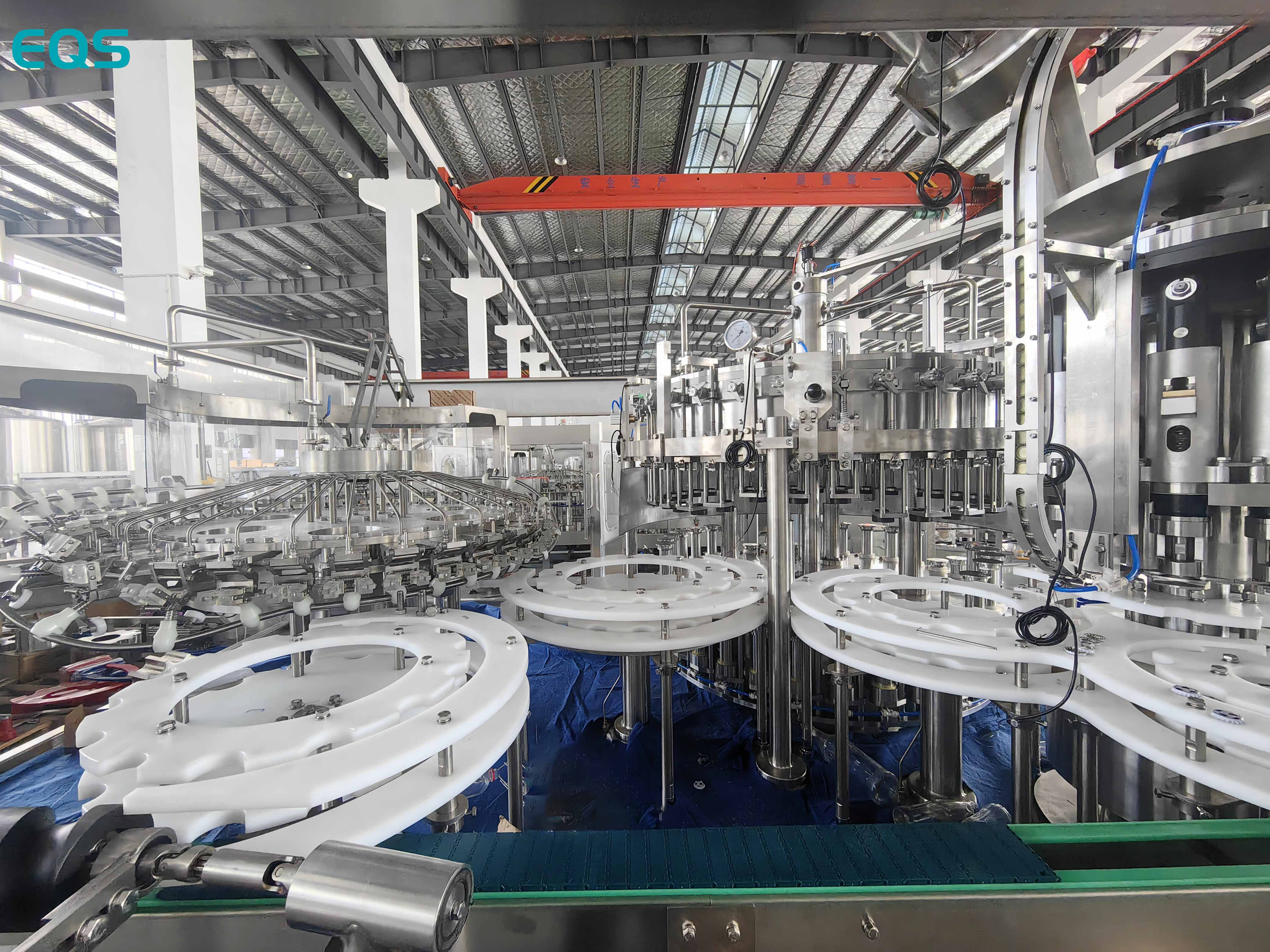
Მე მომწონს ეს თემა, რადგან ბევრი ყიდვის პროცესში მონაწილე ფიქრობს, რომ ბოთლების შევსება მხოლოდ სიჩქარეზე მოდის. ეს არ არის ასე. გაზიანებული სასმელების შემთხვევაში წნევის კონტროლი არის ნამდვილი საიდუმლო. თუ წნევის კონტროლი სუსტია, სასმელი კარბონატს კარგავს, ბოთლი ქაფავს და ხაზი არ არის სტაბილური.
Მე ყოველთვის ახსნის მომხმარებლებს, რომ გაზიანებული სასმელები არ არის იგივე, რაც ჩვეულებრივი წყალი. მათ შეიძლება შეიცავდნენ გახსნილ გაზს, რომელიც სწრაფად რეაგირებს წნევის ცვლილებას.
Თუ წნევა ძალიან სწრაფად ეცემება, CO₂ ძალიან სწრაფად გამოიყოფა სითხიდან. ეს იწვევს ქერქის და გადასხდომის წარმოქმნას. ისობარული ავსება ხელს უწყობს გაზის სითხეში გრძელი ხანით შენახვას.
Გაზიანებული სასმელების ხაზს სჭირდება სრული კონტროლი. როდესაც წნევა ბალანსშია, სითხე უფრო გლუვად ავსებს ბოთლს. ეს უზრუნველყოფს ავსების მოცულობის სტაბილურობას ბოთლიდან ბოთლში.
Ქერქის გადასხდომა არ არის მხოლოდ უწესრიგობა. ეს ასევე წარმოადგენს პროდუქტის დაკარგვას. მე ყოველთვის ვამბობ მყიდველებს, რომ დაკარგვა ყოველდღიურად ფულს ხარჯავს. სტაბილური ავსების მეთოდი ხელს უწყობს მოგების დაცვას.
| Პრობლემა ისობარული ავსების გარეშე | Შედეგი | Ბიზნესზე ზემოქმედება |
|---|---|---|
| Სწრაფი წნევის ეცემა | CO₂ სწრაფად გამოიყოფა | Ფოამი და გადავარდნა |
| Არასტაბილური ნაკადი | Არათანაბარი შევსება | Პროდუქტის არ ერთგვაროვნება |
| Ზედმეტი ფოამის კარგვა | Პროდუქტის ნარჩენები | Უფრო მაღალი ხარჯი |
Მე ვიფიქრე, რომ ამ სისტემის გასაგებად ყველაზე მარტივი გზა არის მისი მარტივ ნაბიჯებად დაშლა. ეს იდეა ძალზე ლოგიკური ხდება, როდესაც წნევის ტრაექტორია გასაგები ხდება.
Შევსებამდე ბოთლი შეივსება აირის წნევით. ეს წნევა გასატოლად არის დაყენებული თხევადი საცავის ტანკში არსებული წნევის ტოლად. მე ამას ვუწოდებ ბალანსის წერტილს.
Როდესაც წნევა გათანაბრდება, სითხე უფრო მოსახერხებლად შეიძლება შევიდეს ბოთლში. გრავიტაცია ხელს უწყობს სითხის მოძრაობას, მაგრამ ის არ მოძრაობს ძალიან სწრაფად, რადგან წნევა უკვე გათანაბრებულია.
Როდესაც სითხე შედის ბოთლში, ბოთლში არსებული აირი უნდა გამოვიდეს. ის დაბრუნდება ტანკში დაბრუნების მილის მეშვეობით. ეს იცავს სასმელს და მარტივად მართავს სისტემას.
Როდესაც სითხის დონე დაფარავს დაბრუნების მილს, სისტემა ავსების პროცესს შეწყვეტს. ეს უზრუნველყოფს სუფთა და კონტროლირებად საბოლოო დონეს.
Ეს ბოლო ნაბიჯი ძალიან მნიშვნელოვანია. ბოთლში არსებული წნევა უნდა განვითავსდეს ნელა. თუ წნევა ძალიან სწრაფად დაეცემა, CO₂ ძალიან სწრაფად გამოვიდეს და გამოიწვევს სიცხელის ამოტივტივებას.
| Ავსების ეტაპი | Რა ხდება | Რატომ არის ეს მნიშვნელოვანი? |
|---|---|---|
| Წინა-დატენვა | Ბოთლის წნევა ემთხვევა ტანკის წნევას | Არ ხდება შოკი |
| Თხევადი სითხის ნაკადი | Თხევადი სითხე უფრო მშვიდად შედის | Სტაბილური შევსება |
| Გაზის დაბრუნება | Გაზი უკან მოძრავს რეზერვუარში | Ბალანსის შენარჩუნება |
| Ავტომატური შეწყვეტა | Შევსება სასურველ დონეზე მთავრდება | Სწორი მოცულობა |
| Ნელი გამოტაცა | Წნევა ნელა იკლებს | Ყველაფრის შემცირება |
Როდესაც ყიდვის მომხმარებლები კითხულობენ, რატომ არის საჭიროებული სპეციალური ხაზი სოდას, ბირღვალს ან სხვა გაზიანებულ სასმელებზე, მე ხშირად ვადარებ ისობარულ სავსებას ჩვეულებრივი სავსების მსგავსებას. პასუხი მარტივია: გაზიანებული სასმელების შესავსებლად სჭირდება წნევის კონტროლი.
Ჩვეულებრივი სავსება კარგად მუშაობს უძრავი სითხეებისთვის. მაგრამ გაზიანებული სასმელებისთვის ხშირად ქმნის ძალიან მეტ სიცხადეს. ეს იმიტომ ხდება, რომ სავსების დროს ბოთლის წნევა კარგად არ არის კონტროლირებული.
Გაზიანებული სასმელების შესავსებლად ძირითადი მიზანია დაშენებული CO₂-ის სასმელში შენახვა. ისობარული სავსება ეს უკეთესად აკეთებს, რადგან სითხის გადასვლამდე წნევას აწონს.
Კარგი გაზიანებული ხაზი უნდა სწრაფად მუშაობდეს და მდგრადი იყოს. ისობარული სავსება ხელს უწყობს მასობრივ წარმოებას, რადგან მაღალი სიჩქარით მუშაობის დროს პროცესს კონტროლირებულ მდგომარეობაში ინარჩუნებს.
| Შევსების მეთოდი | Უკეთესი არის | Ძირითადი ძალა | Ძირითადი სუსტი მხარე |
|---|---|---|---|
| Ჩვეულებრივი სავსება | Სტატიკური წყალი, არაგაზიანი სასმელები | Მარტივი და სწრაფი | Არ ემსახურება ფორმის კონტროლს |
| Იზობარული ჩასახვევა | Გაზიანი სასმელები, პივო | Წნევის ბალანსი | Უფრო რთული სისტემა |

Ჩვეულებრივ ამ მეთოდს ვრეკომენდებ იმ მომხმარებლებს, რომლებიც აწარმოებენ გაზსავსე სასმელებს. ამ კატეგორიაში შედის სოდა, ბუშტიანი წყალი, პივო და სხვა ბუშტიანი სასმელები.
Ამ სასმელებს სჭირდება სტაბილური გაზის შენახვა და სუფთა ბოთლებში ასრულება. თუ წნევა არ არის კონტროლირებული, სასმელი კარგავს თავის სიცხელეს და ბოთლი არ გამოიყურება სუფთა.
Პივო ძალიან მგრძნობარეა ბუშტების მიმართ. ყოველთვის ვეუბნები პივის ყიდულებლებს, რომ სტაბილური წნევა არ არის ვარიანტი — ეს აუცილებელია ხარისხის და ასრულების სიჩქარის გარანტირებისთვის.
Ბუშტიანი წყალი უფრო მარტივად გამოიყურება, მაგრამ მაინც სჭირდება წნევის ბალანსი. წინააღმდეგ შემთხვევაში პროდუქტი შეიძლება დაკარგოს თავის მწვავე ხასიათს კიდევე ფართზე მისვლამდე.
Ნებისმიერი სასმელი, რომელშიც გაზი გახსნილია, შეიძლება ისარგებლოს ამ სისტემით. ზუსტი დიზაინი შეიძლება შეიცვალოს, მაგრამ წნევის იდეა იგივე რჩება.
| Სასმელის ტიპი | Ისობარული ასრულების საჭიროება | Მიზეზი |
|---|---|---|
| Გაზირებული სასმელები | Ძალიან მაღალი | Დაიცავს CO₂-ს და გემოს |
| Ლუდი | Ძალიან მაღალი | Თავიდან არიდებს ბუშტების გადასვლას |
| Სასუფთაო წყალი | Მაღალი | Მარტივად შენახავს ხარისხს |
| Სხვა გაზიანებული სასმელები | Საშუალო დან მაღალი | Ფორმულაზე მივყურებთ |
Მე უფრო მეტად სინამდვილეში არსებულ ბიზნეს-პრობლემებზე ვსაუბრობ, რადგან მყიდველებს აინტერესებს წარმოების შედეგები, არ მხოლოდ მანქანის თეორია.
Თუ სითხე აფუძნება, საწარმო კარგავს პროდუქტს. მე ვხედავ ამ სიტუაციას ხაზებში, რომლებშიც გამოიყენება სუსტი წნევის კონტროლი. ისობარული სავსება ამ რისკს ამცირებს.
Მომხმარებლებს შეამჩნევენ, როდესაც ერთი ბოთლი განსხვავდება მეორისგან. სტაბილური სავსება ეხმარება ყველა ბოთლს ერთნაირად გამოიყურებოდეს და მუშაობდეს. ეს ხელს უწყობს ბრენდის ნდობის ამაგებას.
Როდესაც პროცესი სტაბილურია, ხაზი არ უნდა გაჩერდეს ხშირად სუფთავად ან კორექციისთვის. ეს ეხმარება მომხმარებელს გამოშვების გასაუმჯობესებლად.
Სტაბილური სისტემა უფრო ადვილად მონიტორდება. ოპერატორებს შეუძლიათ გამოყოფილი პროცესზე კონცენტრირება, არ არის სჭირდებათ მუდმივად აფუძნების, გადასხდომის ან მოცულობის პრობლემების გადაწყვეტა.
| Ბიზნესის პრობლემა | Როგორ ეხმარება იზობარული ავსება |
|---|---|
| Პროდუქტის დანაკარგი | Ამცირებს აფუძნების გადასხდომას |
| Სუსტი ბრენდის იმიჯი | Მოხსნის ბოთლის ხარისხის სტაბილურობას |
| Დაბალი წარმოებლიანობა | Ხელს უწყობს სიჩქარის მაღალი ავსებას |
| Რთული ხარისხის კონტროლი | Პროცესს უფრო წინასაზოგადებლად ხდის |
Მე არ ვაფასებ შევსების მანქანას ცალკე. გაზიანებული სასმელის წარმოების ხაზი უნდა მუშაობდეს როგორც ერთი სისტემა. თუ შევსების მანქანა კარგია, მაგრამ ხაზის დანარჩენი ნაკლებად კარგია, მთლიანი პროექტი მაინც იკარგება.
Ჭიქის ფორმა, სიძლიერე და პირის დიზაინი ყველა მნიშვნელოვანია. თუ ჭიქა არ შეძლებს წნევის შენახვას, შევსების შედეგი კარგი არ იქნება.
Შევსების შემდეგ ფირფიტა უნდა სწრაფად და მკაცრად დაიხუროს. თუ დახურვა სუსტია, გაზის დაკარგვა დაიწყება უკვე ამ მომენტიდან.
Სუფთა აღჭურვილობა ხელს უწყობს სტაბილურ წარმოებას. ნარჩენები ან დაბინძურება ასევე შეიძლება გავლენა მოახდინოს წნევის მოქცევაზე და პროდუქტის ხარისხზე.
EQS-ში ყოველთვის ვაკეთებ სრული წარმოების გეგმის შემოწმებას. ვეხმარები მომხმარებლებს საწარმოს დაგეგმვაში, პროცესების ოპტიმიზაციაში და სრული ხაზის ინტეგრაციაში. ეს მნიშვნელოვანია, რადგან ისობარული სავსება მხოლოდ სრული გაზიანებული ბოთლების სისტემის ერთი ნაკვეთია.
| Ხაზის ელემენტი | Რატომ არის ეს მნიშვნელოვანი? |
|---|---|
| Ბოთლის დიზაინი | Უსაფრთხოდ აძლევს წნევის მოქმედებას |
| Შემავსებელი | Კონტროლავს გაზისა და თხევადი ნივთიერების ბალანსს |
| Კაპერი | Იცავს გაზიანებას სავსების შემდეგ |
| Ჰიგიენა | Ხელს უწყობს სტაბილურ გამომცემლობას |
| Საწარმოს განაწესება | Აუმჯობესებს ხაზის ნაკადს |
Ყოველთვის ვრჩევ ყიდვის მომხმარებლებს პრაქტიკული კითხვების დასმას. ეს მათ ეხმარება მანქანის რეალური წარმოების მიზნებს შესატანად.
Პასუხი ცვლის მანქანის დიზაინს. პივო, სოდა და ბურღულიანი წყალი შეიძლება სჭირდებოდეს განსხვავებული წნევის პარამეტრები.
Განსხვავებული ბოთლის ზომებისთვის სჭირდება განსხვავებული შევსების მოქმედება. მანქანას უნდა შეეტავსოს პაკეტირების ხაზი, არ პირიქით.
Ზოგიერთი მყიდველი საშუალო სიმძლავრის გამომცემლობას სჭირდება. ზოგიერთს კი საჭიროებს მაღალსიჩქარის წარმოებას. შევსების თავის დიზაინი და მართვის სისტემა უნდა შეესატყოს მიზანს.
Ზოგიერთი მომხმარებელი საბაზისო ავტომატურ ხაზს სურს. სხვებს კი სრულად მზად მიწოდებული ხაზი სჭირდება, რომელსაც უფრო მეტი კონტროლი და ნაკლები სამუშაო ძალა ახასიათებს.
| Ყოფილი მომხმარებლის კითხვა | Რატომ მჭირდება პასუხი |
|---|---|
| Სასმელის ტიპი | Წნევის დიზაინის დაყენება |
| Ბოთლის ზომა | Ზემოქმედებს სავსებლად მოწყობილობის კონფიგურაციაზე |
| Სამიზნე სიჩქარე | Განსაზღვრავს მანქანის შეძლებულობას |
| Ავტომატიზაციის დონე | Ზემოქმედებს ხარჯებსა და კონტროლზე |
Ისობარული სავსებლად მოწყობილობა არის ყველაზე ეფექტური მეთოდი ნახშირორეჟიმიანი სასმელების სტაბილურობის შესანარჩუნებლად, სიცხელის შემცირებისთვის, CO₂-ის დაცვისთვის და სიჩქარით, ერთნაირად შესავსებლად წარმოების ხაზზე.
Მე ვარ ალენი და მე ვარ სავსები მანქანების ტექნოლოგიის ექსპერტი კომპანიაში EQS , წამყვან სასუნთქი საშენი ამოხსნების მომწოდებელში, რომელიც მდებარეობს ჩინეთში. თუ თქვენ ეძებთ მაღალი ხარისხის მოწყობილობებს თქვენი წარმოების ხაზისთვის, დამიკავშირდით მეთი [email protected]-ზე. ჩვენ გვაქვს გამოცდილება ინდივიდუალური ამოხსნების მორგებაში უახლესი ტექნოლოგიების გამოყენებით.
Სითხის სავსე ამანათის და დამატებითი პროექტების მთლიანი ამოხსნის მიმართულებით და საკვანძო პროექტებზე დაყრდნობით
Copyright © JIANGSU EQS MACHINERY CO.,LTD