 EN
EN


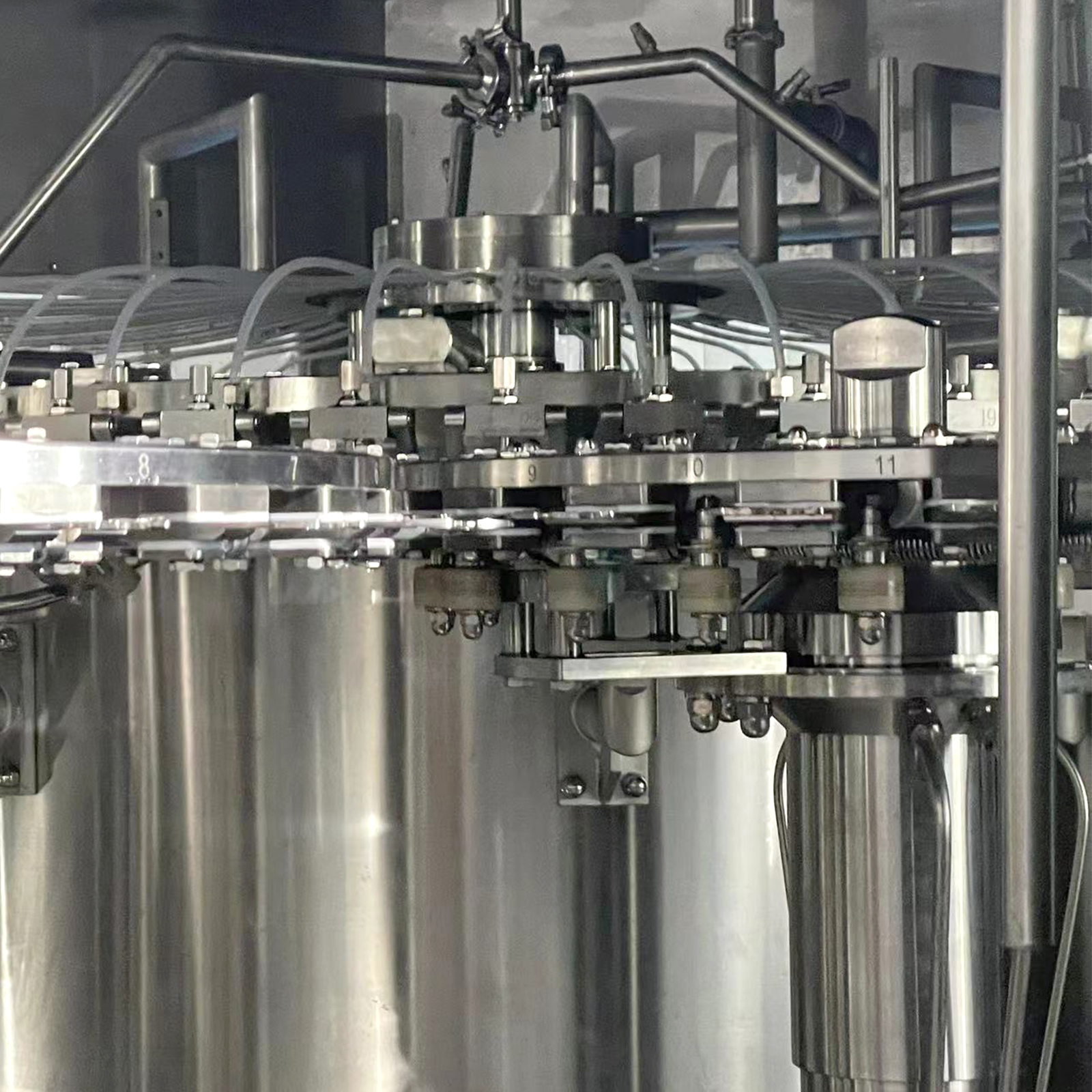
Ինչու՞ է ասեպտիկ լցման մեքենան կրիտիկական նշանակություն ունի երկարատև պահպանվող ըմպելիքների արտադրության համար
Շուկայի պահանջների բավարարումը մթնոլորտային ջերմաստիճանում պահպանվող, կոնսերվանտներից զերծ ֆունկցիոնալ ըմպելիքների համար
Սպառողների նախընտրությունը մթնոլորտային ջերմաստիճանում պահպանվող, կոնսերվանտներից զերծ ֆունկցիոնալ ըմպելիքների նկատմամբ 2022 թվականից ի վեր աճել է 34%-ով («Ըմպելիքների արդյունաբերություն» զեկույց, 2024 թ.): Այս տենդենցը պահանջում է փաթեթավորման լուծումներ, որոնք պահպանում են սննդային արժեքը՝ առանց սառեցման: Ասեպտիկ լցումը դա հասցնում է միաժամանակյա ստերիլիզացիայի միջոցով՝ ինչպես արտադրանքի, այնպես էլ փաթեթավորման և միջավայրի, ինչը հնարավորություն է տալիս հայտարարել «մաքուր պիտակ» և կանխել միկրոբիոլոգիական աճը: Կաթնային և հանքային հյութերի արտադրողների համար սա երկարացնում է պահպանման ժամկետը 6–12 ամիս առանց քիմիական հավելումների: Հիմնականում այս գործընթացը պահպանում է ջերմային զգայուն միացությունները, ինչպես օրինակ՝ վիտամին C-ն և կենդանի պրոբիոտիկները, ի տարբերություն ավանդական տաք լցման մեթոդների, որոնք կարող են վնասել այդ սննդային բաղադրիչները մինչև 40%-ով: Սառեցման շղթայի կախվածությունը վերացնելով՝ արտադրողները նաև հնարավորություն են ստանում ընդլայնելու իրենց տարածման շրջանակները սառեցման ենթակառուցվածքների սահմանափակ առկայությամբ տարածաշրջաններում:
Ինչպես են ասեպտիկ լցման մեքենաները վերացնում սառեցման շղթայի կախվածությունը՝ եռակի ստերիլության վերահսկման միջոցով
Ասեպտիկ լցման մեքենաները կիրառում են երեք փուլից բաղկացած ստերիլության պրոտոկոլ՝ ապրանքի, մատակարարման և միջավայրի համար՝ ամբողջովին վերացնելով սառեցման անհրաժեշտությունը.
- Արտադրանքի ստերիլացում ուլտրաբարձր ջերմաստիճանի (UHT) մշակումը վնասում է պաթոգեններին վայրկյանների ընթացքում
- Տարայի ստերիլացում ջրածնի պերօքսիդի (H₂O₂) գոլորշին կամ գոլորշին վնասում է տարաներն ու փականները >6-log մահացության ցուցանիշով
- Միջավայրի ստերիլացում լամինար օդի հոսանքը պահպանում է ISO 5-րդ դասի օդի մաքրությունը լցման գոտիներում
Այս եռակի պաշտպանության մոտեցումը կանխում է վերաաղտոտումը լցման և կնքման ընթացքում: Ծովամեկույն արտադրողները նվազեցնում են էներգիայի ծախսերը 28%-ով՝ համեմատած սառեցված տարածման հետ («Food Logistics» ուսումնասիրություն, 2023 թ.), իսկ տրանսպորտավարման ընթացքում վնասվածքների կորուստները՝ 90%-ով: Այս տեխնոլոգիան հատկապես կարևոր է բարձր սպիտակուցային սննդային ըմպելիքների համար, որտեղ այն չեզոքացնում է ջերմասեր սպորները ( Bacillus , Clostridium )՝ առանց սպիտակուցների դենատուրացիայի՝ որը ռետորտային մշակման հիմնարար սահմանափակումն է։
Ինչպես են ասեպտիկ լցման մեքենաները պահպանում հյութերի և սննդային ըմպելիքների որակը
Գերազանց համ, վիտամին C և ֆիտոնուտրիենտների պահպանում՝ համեմատած տաք լցման և ռետորտային մշակման հետ
Ասեպտիկ լցումը ներառում է UHT մշակում (135–150°C, 2–15 վայրկյան), որին հաջորդում է անմիջապես սառեցում՝ ջերմային քայքայման նվազագույնի հասցնելով, ինչը շատ ավելի արդյունավետ է, քան տաք լցումը (85–95°C, ≥3 րոպե) կամ ռետորտավորումը (121°C, 20+ րոպե): Ասեպտիկ մշակման ենթարկված հյութերում վիտամին C-ի պահպանման միջին ցուցանիշը կազմում է 92–95 %, իսկ տաք լցման համակարգերում՝ ≤70 %: Ջերմային զգայուն ֆիտոնուտրիենտները, այդ թվում՝ կարոտինոիդներն ու ֆլավոնոիդները, պահպանվում են մինչև 30 % ավելի բարձր մակարդակով, իսկ թռչուն համային միացությունները մնում են անփոփոխ, այդպիսով խուսափելով «եփված» համի անցանկալի նոտաներից, որոնք բնորոշ են երկարատև ջերմային մշակմանը: Այս սննդային և զգայական հավատարմությունը ուղղակիորեն աջակցում է ֆունկցիոնալ ըմպելիքների առողջապահական հայտարարություններին, որտեղ կենսաակտիվ բաղադրիչների ամբողջականությունը որոշում է արտադրանքի արդյունավետությունը:
Մաքուր պիտակավորման հայտարարությունների հնարավորություն՝ առանց միկրոբիոլոգիական անվտանգության վտանգի
Ասեպտիկ համակարգերը ստանում են առևտրային ստերիլություն (≥5-log պաթոգենների նվազեցում) նույն եռակի պաշտպանության միջոցով՝ UHT արտադրանքի ստերիլացում, H₂O₂/գոլորշի փաթեթավորման մշակում և ISO 5-րդ դասի լամինար հոսանքով լցման գոտիներ, որոնք ապահովում են վերջնական միկրոբիոլոգիական հաշվարկը՝ ≤1 CFU/մլ: Սա վերացնում է կալիումի սորբատի կամ բենզոատների նման կոնսերվանտների անհրաժեշտությունը՝ միաժամանակ ապահովելով 12+ ամսվա պահպանման ժամկետ սենյակային ջերմաստիճանում: Քանի որ սպառողների 75%-ը առաջնային նախընտրություն է տալիս «առանց կոնսերվանտների» պիտակավորմանը («Ծովային ըմպելիքների արդյունաբերության զեկույց», 2024 թ.), այս հնարավորությունը համընկնում է մաքուր պիտակավորման պահանջի հետ: Իրական ժամանակում գործող գործընթացի վերլուծական տեխնոլոգիայի (PAT) մոնիտորինգը անընդհատ հաստատում է անվտանգությունը և ապահովում է FDA-ի 21 CFR մաս 117 կանոնակարգի հետ համապատասխանությունը թթվային չլինող ըմպելիքների համար:
Բուսական և բարձր սպիտակուցային ըմպելիքներում կայունության և ստերիլության մասին խնդիրների լուծում ասեպտիկ լցման մեքենաների միջոցով
Սննդային բաղադրատոմսերում նստվածքի առաջացման, ֆազային անջատման և սպորների կողմից պայմանավորված կեղտավորման կանխում
Բուսական և բարձր սպիտակուցային սննդային ըմպելիքները երկու հիմնական մարտահրավերի են ենթարկվում՝ ֆիզիկական անկայունություն (օրինակ՝ նստվածքի առաջացում, փուլերի բաժանում) և ջերմադիմացկուն սպորների մակրոբիոլոգիական ռիսկ։ Ավանդական ջերմային մշակումը վատացնում է երկու խնդիրն էլ՝ սպիտակուցների դենատուրացիայի, կոլոիդային կառուցվածքների խախտման և pH-չեզոք բաղադրություններում սպորների ամբողջական անջնջման ձախողման շնորհիվ։ Ասեպտիկ լցումը լուծում է այս խնդիրը՝ օգտագործելով արագ UHT մշակում և անմիջապես ստերիլ սառը լցում, որը պահպանում է մոլեկուլային ամբողջականությունը՝ միաժամանակ վերացնելով Bacillus և Clostridium սպորները։ Լամինար հոսանքի միջավայրերը հետագայում ապահովում են մասնիկների համասեռ կախուկի պահպանումը և կանխում օդի միջոցով կրկնակի աղտոտումը։ Այդ պատճառով արտադրանքի պահպանման ժամկետը երկարացվում է սենյակային ջերմաստիճանում՝ առանց կայունացնողների կամ կոնսերվանտների, ինչը համապատասխանում է «մաքուր պիտակ» պահանջներին և նվազեցնում է սպիտակուցների նստվածքի առաջացումը բուսական հիմքի վրա հիմնված զգայուն բաղադրություններում («Journal of Food Protection», 2023 թ.)
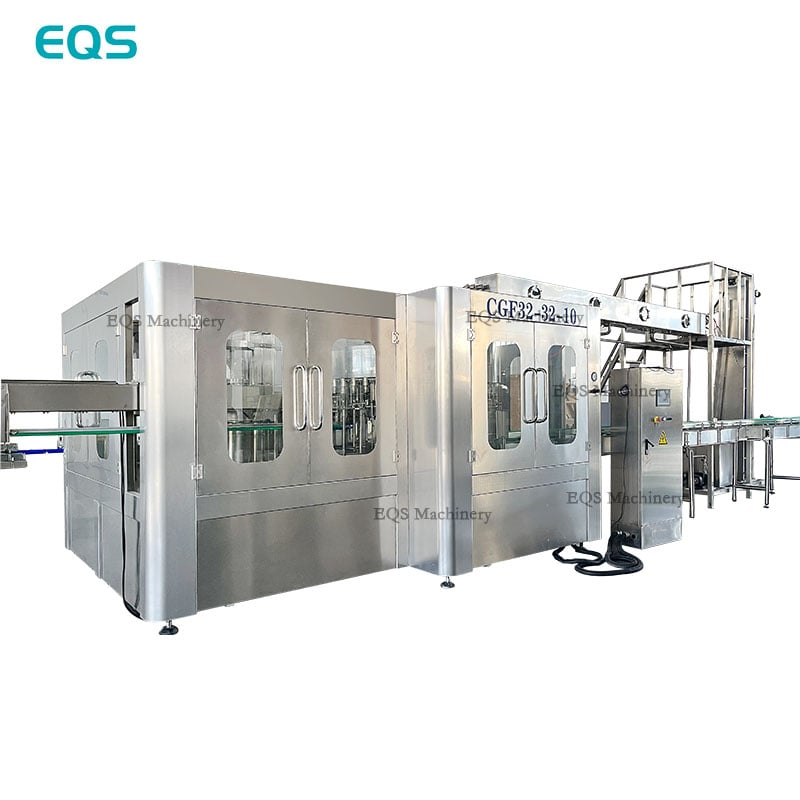
Ժամանակակից ասեպտիկ լցման մեքենայի գծի հիմնական բաղադրիչները և ինտեգրման հաշվի առնելիք գործոնները
ՈՒՀՏ նախնական մշակում, տողային փաթեթավորման ստերիլացում (H₂O₂/գոլորշի) և լամինար հոսանքի լցման գոտիներ
Ժամանակակից ասեպտիկ լցման մեքենան ինտեգրում է երեք փոխկախված ենթահամակարգ՝
- ՈՒՀՏ նախնական մշակում , ապրանքների տաքացում 135–150°C ջերմաստիճանում 2–8 վայրկյան ժամանակահատվածում՝ պաթոգենների վերացման և սննդային բաղադրիչների պահպանման նպատակով
- Տողային փաթեթավորման ստերիլացում , ջրածնի պերօքսիդի գոլորշի կամ գոլորշի օգտագործելով ամանների և փականների մակերեսների ախտահանումը՝ մանրէաբանական վնասազերծման >6-log արդյունքներով
- Լամինար հոսանքի լցման գոտիներ , որոնք ապահովում են ISO 5-րդ դասի օդի մաքրություն՝ օգտագործելով HEPA ֆիլտրավորված միաուղղությամբ օդի հոսանք՝ օդի միջոցով կրկին աղտոտման կանխարգելման համար
Այս երեք տարրերը միասին կազմում են վավերացված եռակի պաշտպանողական համակարգ՝ թույլ տալով ստանալ պահեստավորման համար կայուն, կոնսերվանտներից զերծ ապրանքներ՝ անվտանգության և որակի վրա որևէ բացասական ազդեցություն չթողնելով
Ավտոմատացում, վավերացում և կարգավորիչ համապատասխանություն (FDA 21 CFR մաս 117, ISO 22000)
Կենտրոնացված ավտոմատացումը համաժամադրում է ստերիլացումը, լցումը և կնքումը՝ իրական ժամանակում տվյալներ հավաքելով ամբողջական հետագծելիության համար, ինչը կարևոր է FDA-ի 21 CFR մաս 117 (FSMA) և ISO 22000 ստանդարտներին համապատասխանելու համար: Հիմնական վալիդացման պրոտոկոլներն ընդգրկում են ստերիլացման գոտիների ջերմային քարտեզագրումը, փաթեթավորման նյութերի մակերեսային միկրոբիոլոգիական աղտոտվածության ստուգումը և լցման միջավայրում մասնիկների շարունակական մոնիտորինգը: Ավտոմատացված փաստաթղթավորումը նվազեցնում է մարդկային սխալները և աջակցում է արագ արմատային պատճառի վերլուծությանը. քանի որ վերադարձումները միջինում արժեն արտադրողներին 740 հազար դոլար (Ponemon Institute, 2023 թ.), համապատասխան վալիդացիան աղտոտման ռիսկը 89%-ով նվազեցնում է ձեռքով կատարվող համակարգերի համեմատ:
Բովանդակության ցուցակ
-
Ինչու՞ է ասեպտիկ լցման մեքենան կրիտիկական նշանակություն ունի երկարատև պահպանվող ըմպելիքների արտադրության համար
- Շուկայի պահանջների բավարարումը մթնոլորտային ջերմաստիճանում պահպանվող, կոնսերվանտներից զերծ ֆունկցիոնալ ըմպելիքների համար
- Ինչպես են ասեպտիկ լցման մեքենաները վերացնում սառեցման շղթայի կախվածությունը՝ եռակի ստերիլության վերահսկման միջոցով
- Ինչպես են ասեպտիկ լցման մեքենաները պահպանում հյութերի և սննդային ըմպելիքների որակը
- Բուսական և բարձր սպիտակուցային ըմպելիքներում կայունության և ստերիլության մասին խնդիրների լուծում ասեպտիկ լցման մեքենաների միջոցով
- Ժամանակակից ասեպտիկ լցման մեքենայի գծի հիմնական բաղադրիչները և ինտեգրման հաշվի առնելիք գործոնները