 EN
EN


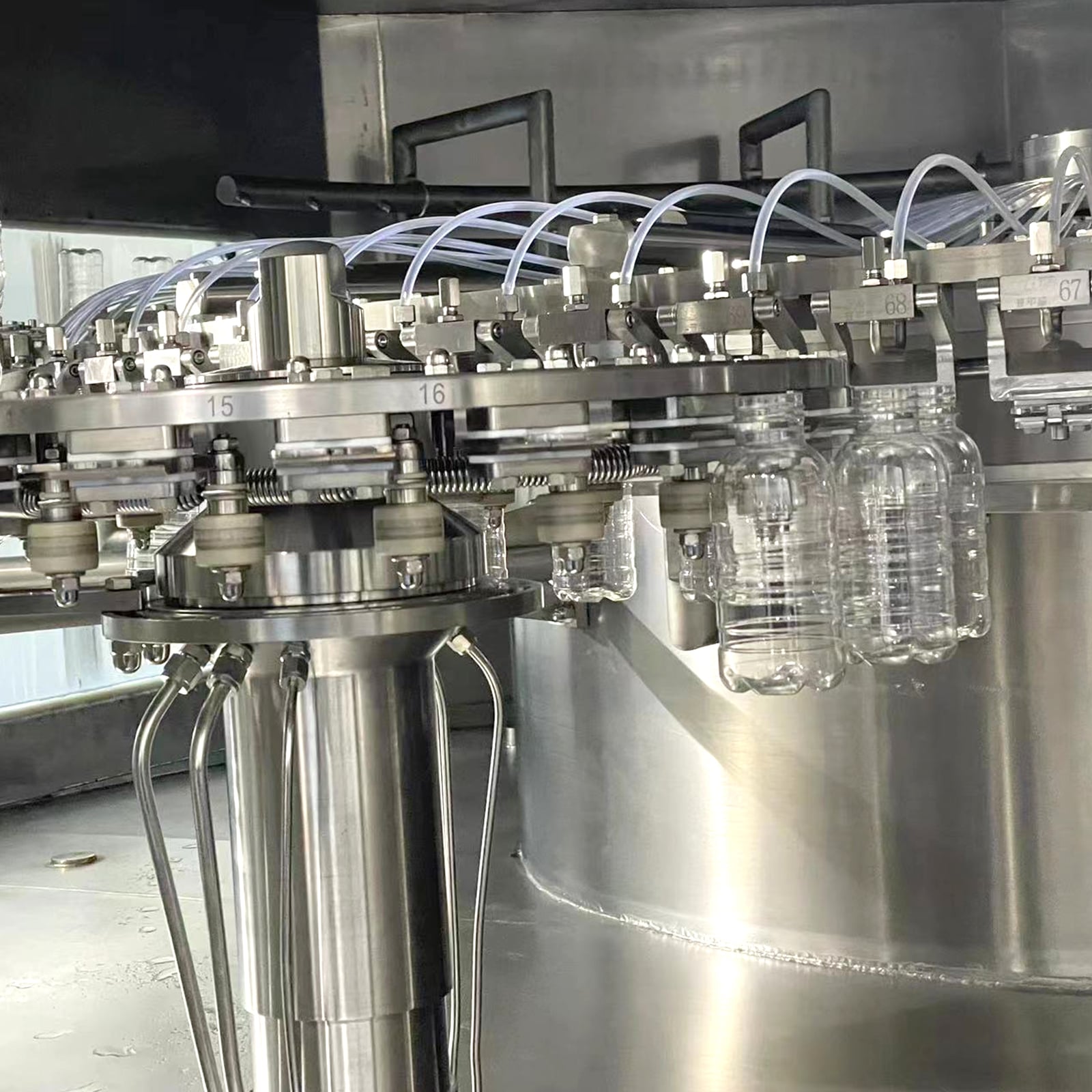
How Advanced Automation Transforms Aseptic Filling Machine Performance
PLC, HMI, and IoT Integration for Real-Time Monitoring and Adaptive Control
Modern aseptic filling machines integrate Programmable Logic Controllers (PLCs), Human-Machine Interfaces (HMIs), and IoT sensors to deliver precision, responsiveness, and sterility assurance. PLCs govern critical functions—including valve timing and fill volume control—with ±0.5% accuracy—while HMIs offer intuitive, real-time dashboards for operator oversight and parameter tuning. Embedded IoT sensors continuously monitor environmental sterility, temperature stability, and airborne particulate levels, feeding data to cloud-based analytics platforms. This infrastructure enables adaptive control: when viscosity shifts in high-shear biologics, the system autonomously adjusts pressure and dwell time to preserve fill accuracy. As a result, manual intervention drops by 40%, and contamination risk during sensitive vaccine fills is significantly reduced.
Measurable Gains: Scaling Output from 60M to 150M Ampoules/Year
Automation delivers quantifiable throughput improvements. A conventional line producing 60 million ampoules annually can scale to 150 million with robotics and AI-driven optimization—without compromising cGMP compliance or sterility integrity. Key enablers include:
- Predictive maintenance: AI models analyze motor vibration, thermal signatures, and cycle load to forecast failures, cutting unplanned downtime by 30%
- Closed-loop feedback: In-line weight sensors trigger automatic recalibration of fill volumes, reducing overfill waste by 2–5% (PDA Technical Report No. 92, 2023)
- Continuous operation: Robotic palletizing and auto-changeover systems support true 24/7 production, eliminating manual line stoppages
This synergy allows manufacturers to meet rising demand while sustaining Class A (ISO 5) environmental controls—positioning automation as the operational backbone of high-yield, compliant aseptic filling.
Aseptic Filling Machine Capabilities Across Liquid Formulations
Precision Handling of Aqueous, Viscous, Oily, Cold-Chain, and Oxygen-Sensitive Liquids
Today’s aseptic filling machines handle diverse liquid formulations with consistent accuracy and formulation integrity. They maintain ±0.5% volumetric precision across aqueous solutions like IV fluids—and dynamically adapt to viscosity fluctuations in syrups or emulsions using servo-controlled peristaltic or piston pumps. For cold-chain biologics stored between –20°C and +8°C, integrated cooling jackets prevent thermal shock and crystallization during transfer and fill. Oxygen-sensitive vaccines benefit from nitrogen-flushed barrier environments and hydrophobic seals that protect container-closure interfaces—especially critical for oil-based emulsions prone to interface degradation.
Sterility Assurance Protocols That Meet cGMP and ISO 13408 Standards
Sterility assurance begins with engineering controls and extends through validation and monitoring. Machines achieve Class A (ISO 5) air quality via HEPA-filtered laminar airflow and vaporized hydrogen peroxide (VHP) surface decontamination cycles validated per PDA TR#1 and ISO 13408-1. Real-time particle counters and environmental monitoring systems log data continuously, triggering automated rejection of units failing pre-set sterility thresholds. Full traceability—covering all product-contact surfaces, airflow dynamics, and decontamination cycles—is embedded into electronic batch records, exceeding baseline ISO 13408 requirements and supporting regulatory inspection readiness.
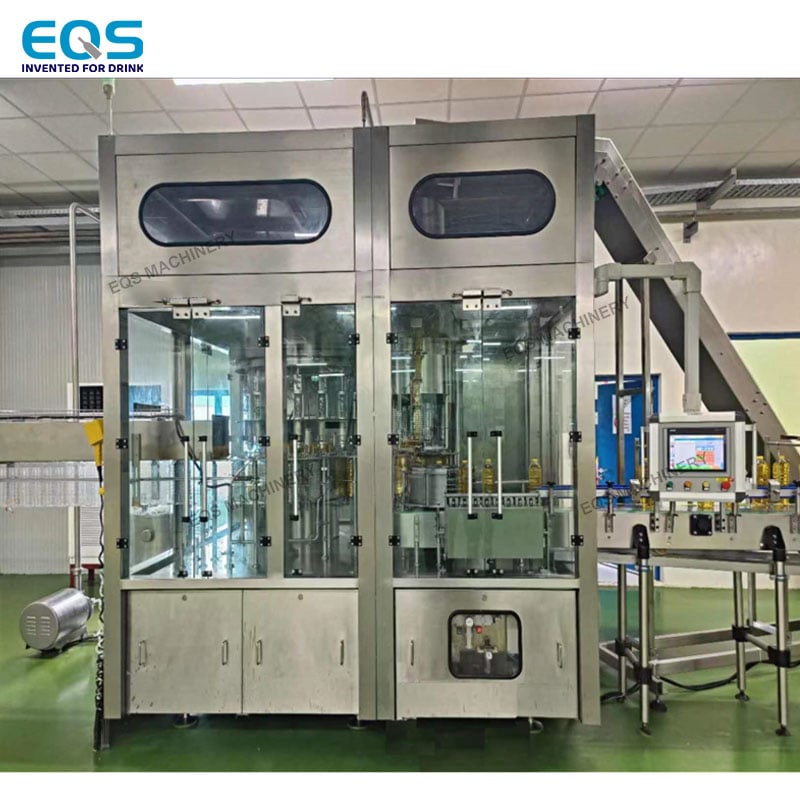
Next-Generation Aseptic Filling Machine Technologies: RABS, Isolators, and Robotics
RABS vs. Isolator-Based Systems: Throughput, Contamination Risk, and Operational Flexibility
Selecting between Restricted Access Barrier Systems (RABS) and isolator-based configurations requires balancing sterility assurance, throughput, and operational agility. RABS permit limited operator access via glove ports—enabling faster product changeovers and hands-on troubleshooting, which enhances flexibility in multiproduct facilities. However, each glove port introduces a potential microbial ingress point; studies indicate RABS carry up to five times higher contamination risk than fully sealed isolators. In contrast, isolators provide complete physical separation using airlocks, automated transfers, and positive-pressure cascades—reducing viable particle counts to near-zero levels in validated operations. Throughput reflects this trade-off: RABS typically achieve 10–15% faster nominal cycle times, but isolators sustain 20% higher effective output by avoiding sterility-related interruptions. For ATMPs, monoclonal antibodies, or oxygen-sensitive vaccines, isolators are the gold standard; for flexible, multi-product lines requiring rapid format changes, RABS remain a pragmatic, validated choice.
Blow-Fill-Seal Innovation as a Complementary High-Speed Aseptic Filling Machine Solution
Blow-fill-seal (BFS) technology complements traditional aseptic filling by unifying container formation, sterile filling, and hermetic sealing in a single, continuous, enclosed process. Eliminating discrete sterilization, handling, and transfer steps reduces human intervention and environmental exposure—cutting microbial contamination risk by over 99% compared to conventional systems (PDA Technical Report No. 78, 2021). Modern BFS platforms exceed 33,300 containers per hour while maintaining ISO 13408-compliant sterility, making them especially valuable for high-volume vaccine production and thermally labile biologics. Their closed-loop architecture also improves handling of oxygen-sensitive formulations and viscous solutions where traditional fillers face dosing inconsistency or foaming. By removing separate container sterilization and reducing changeover complexity, BFS cuts setup time by 40% and drives particulate incidents to near-zero in validated installations. Increasingly, manufacturers deploy BFS alongside conventional aseptic fillers—not as a replacement, but as a strategic capacity extension for prefilled syringes, blow-fill-seal vials, and cold-chain products demanding ultra-low bioburden.
Table of Contents
- How Advanced Automation Transforms Aseptic Filling Machine Performance
- Aseptic Filling Machine Capabilities Across Liquid Formulations
- Next-Generation Aseptic Filling Machine Technologies: RABS, Isolators, and Robotics
- Blow-Fill-Seal Innovation as a Complementary High-Speed Aseptic Filling Machine Solution