 EN
EN


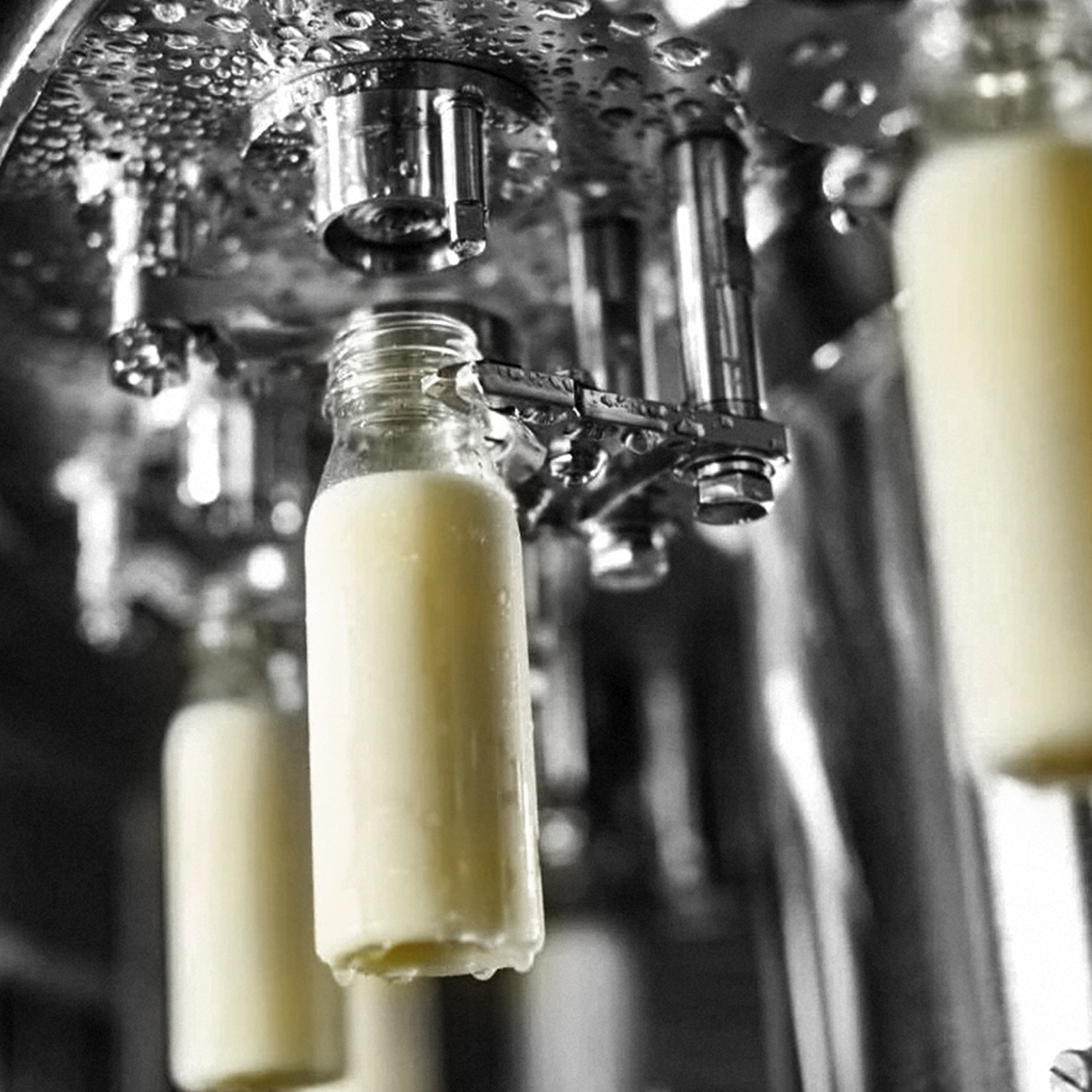
Why Intelligent Temperature Control Is Critical for Aseptic Filling Machine Performance
The Sterility-Temperature Nexus: How Microbial Survival Risk Escalates with Thermal Fluctuations
Microbial contamination risks increase exponentially when sterilization temperatures deviate—even slightly—in aseptic filling operations. A 2°C drop below the validated sterilization temperature (typically 121–135°C) allows thermophilic spores like Geobacillus stearothermophilus to survive at rates exceeding 12%, up from ≤0.1% under target conditions. This risk is especially acute in low-acid products, where pathogens such as Clostridium botulinum exhibit greater heat resistance. Intelligent temperature control systems counteract this by maintaining thermal stability within ±0.5°C across critical zones—automatically adjusting heating elements and flow rates in real time. Without such precision, transient cold spots in filler bowls or holding tubes become persistent contamination vectors, directly threatening product safety, shelf stability, and batch integrity. Continuous thermal monitoring at these points is therefore non-negotiable for sterile assurance.
Regulatory Imperatives: FDA, EU GMP, and ISO 13408 Requirements for Thermal Stability in Aseptic Processing
Global regulatory frameworks treat thermal stability as foundational—not optional—for aseptic processing. FDA’s Process Validation Guidance requires documented evidence of temperature uniformity across all critical zones, while EU GMP Annex 1 mandates that “sterilization temperatures shall be maintained within established limits throughout the process.” ISO 13408-1:2011 further specifies continuous monitoring with automated alarms for deviations exceeding ±1°C. These standards require validation protocols covering worst-case scenarios—including maximum line speeds and minimum product viscosity. In practice, inadequate temperature control remains a top compliance failure: 72% of FDA warning letters issued in 2023 cited deficiencies in this area. Implementing intelligent controls with secure, audit-ready data-logging capabilities isn’t just best practice—it’s essential for meeting global quality requirements and avoiding costly regulatory actions.
How Advanced Sensors and Real-Time Monitoring Enhance Aseptic Filling Machine Reliability
Multi-Point Thermal Mapping and Predictive Drift Correction in Critical Zones
Modern aseptic filling machines deploy networked sensors across sterilization zones to generate real-time thermal maps, detecting micro-variations as small as ±0.5°C. This granular visibility enables early identification and correction of cold spots—directly reducing contamination risk by up to 97% in validated processes. Predictive algorithms, trained on historical sterilization data, analyze thermal drift patterns and trigger preemptive adjustments to heating elements before deviations impact sterility. Because microbial survival probability doubles with every 2°C fluctuation in critical zones, these closed-loop feedback systems—integrating infrared sensing with adaptive controllers—are indispensable for sustaining thermal uniformity and process confidence.
IoT-Enabled Data Integration: From Fill-Volume Correlation to Environmental Parameter Synchronization
IoT architecture unifies environmental monitors, pressure sensors, fill-volume detectors, and steam quality metrics into a single, responsive control layer. Real-time correlation between particulate counts and filling speed enables dynamic flow modulation—maintaining ISO Class 5 air quality even during throughput changes. These systems reduce audit interventions by 35% by automatically logging deviations, corrective actions, and synchronized differential pressure events tied to airlock cycling. Embedded analytics convert multi-source operational data into predictive maintenance alerts, improving machine uptime and cutting sterility failures by 41% compared to manual monitoring approaches.
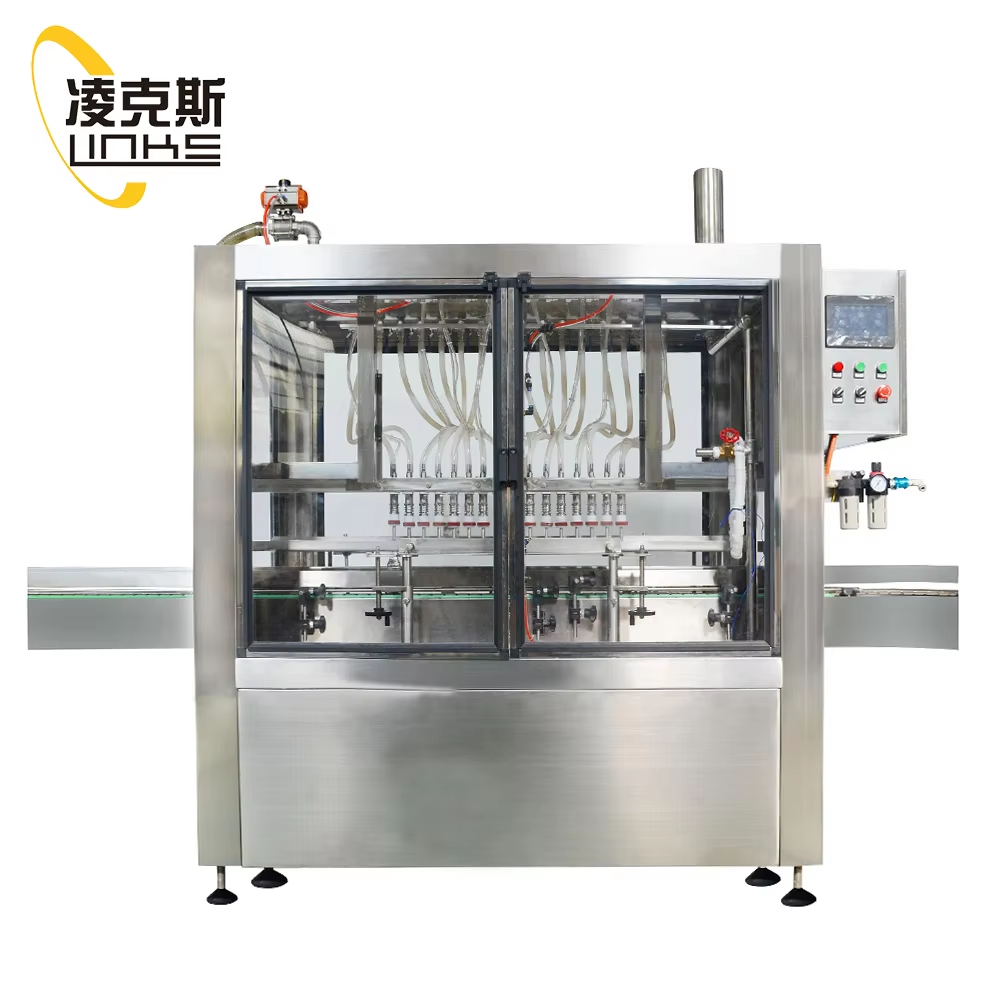
Design and Implementation of an Intelligent Temperature Control System in Modern Aseptic Filling Machines
Modular Architecture: PID+AI Controllers, Adaptive Cooling Jackets, and Non-Invasive In-Line Probes
Modern aseptic filling machines rely on a modular thermal management architecture that fuses traditional PID (Proportional-Integral-Derivative) logic with AI-driven decision engines. Adaptive cooling jackets dynamically modulate coolant flow based on real-time viscosity and temperature inputs, while non-invasive infrared probes monitor product temperature without breaching sterile barriers. Studies show such hybrid systems reduce thermal deviation by 78% versus conventional controls—and maintain ±0.5°C stability in sterile core zones despite ambient fluctuations like humidity shifts, which otherwise compromise thermal consistency.
Validation & Qualification: DQ/IQ/OQ/PQ Protocols Specific to Temperature-Controlled Aseptic Filling Machines
Implementing intelligent temperature control demands rigorous, purpose-built validation aligned with FDA 21 CFR Part 11 and EU Annex 1. The four-phase qualification framework includes:
- Design Qualification (DQ): Defining thermal performance thresholds relative to product degradation profiles and sterilization kinetics
- Installation Qualification (IQ): Verifying sensor calibration accuracy, cooling jacket integrity, and data-logging system traceability
- Operational Qualification (OQ): Stress-testing control responses under simulated production interruptions, viscosity shifts, and ambient excursions
- Performance Qualification (PQ): Documenting three consecutive commercial-scale batches with <0.3% temperature-related deviations
Facilities applying these tailored protocols achieve 40% faster regulatory approvals for aseptic filling machine upgrades—demonstrating how disciplined validation transforms intelligent temperature control from a technical feature into a strategic compliance asset.