 EN
EN


I know many buyers start with price. That feels simple at first. But for large production, a weak supplier can cost more later through downtime, bad quality, and slow service.
For large-scale production, I choose a beverage filling line supplier by checking capacity, beverage type, bottle specs, hygiene needs, factory strength, food safety certificates, stable line OEE, service support, and spare parts supply. I treat the supplier as a long-term technical partner, not just a machine seller.
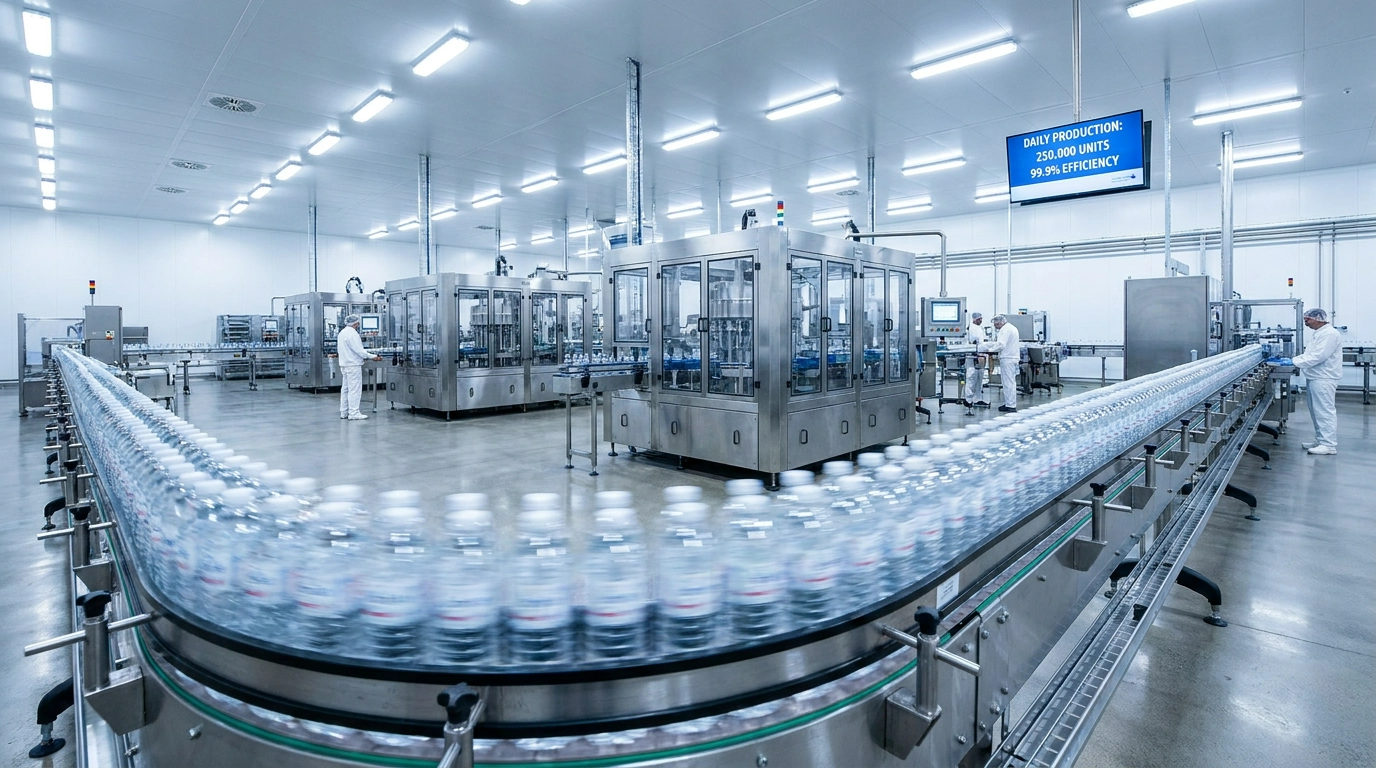
I always tell buyers that a filling line is not a one-time purchase. It is a production system. If the supplier cannot support the line after delivery, the line will hurt your business instead of helping it.
I never start supplier sourcing without clear requirements. If I do that, I will compare the wrong machines and waste time.
I need to know if the buyer wants water, juice, tea, carbonated drinks, dairy drinks, or another liquid. Each product needs a different filling method and a different hygiene level.
A line for 2,000 BPH is very different from a line for 24,000 BPH or more. Capacity decides the machine structure, automation level, and line speed.
Bottle material, bottle size, cap type, and label type all change the design.
Some projects need basic sanitary control. Some projects need very strict food-grade design. I must know this early.
| Requirement Item | What I Confirm | Why It Matters |
|---|---|---|
| Beverage type | Water, juice, tea, etc. | Decides filling technology |
| Capacity | BPH target | Decides machine speed |
| Container | Bottle, cap, label | Affects line compatibility |
| Hygiene standard | Normal or high sanitary | Affects design and materials |
| Budget | Total project budget | Helps shape the solution |
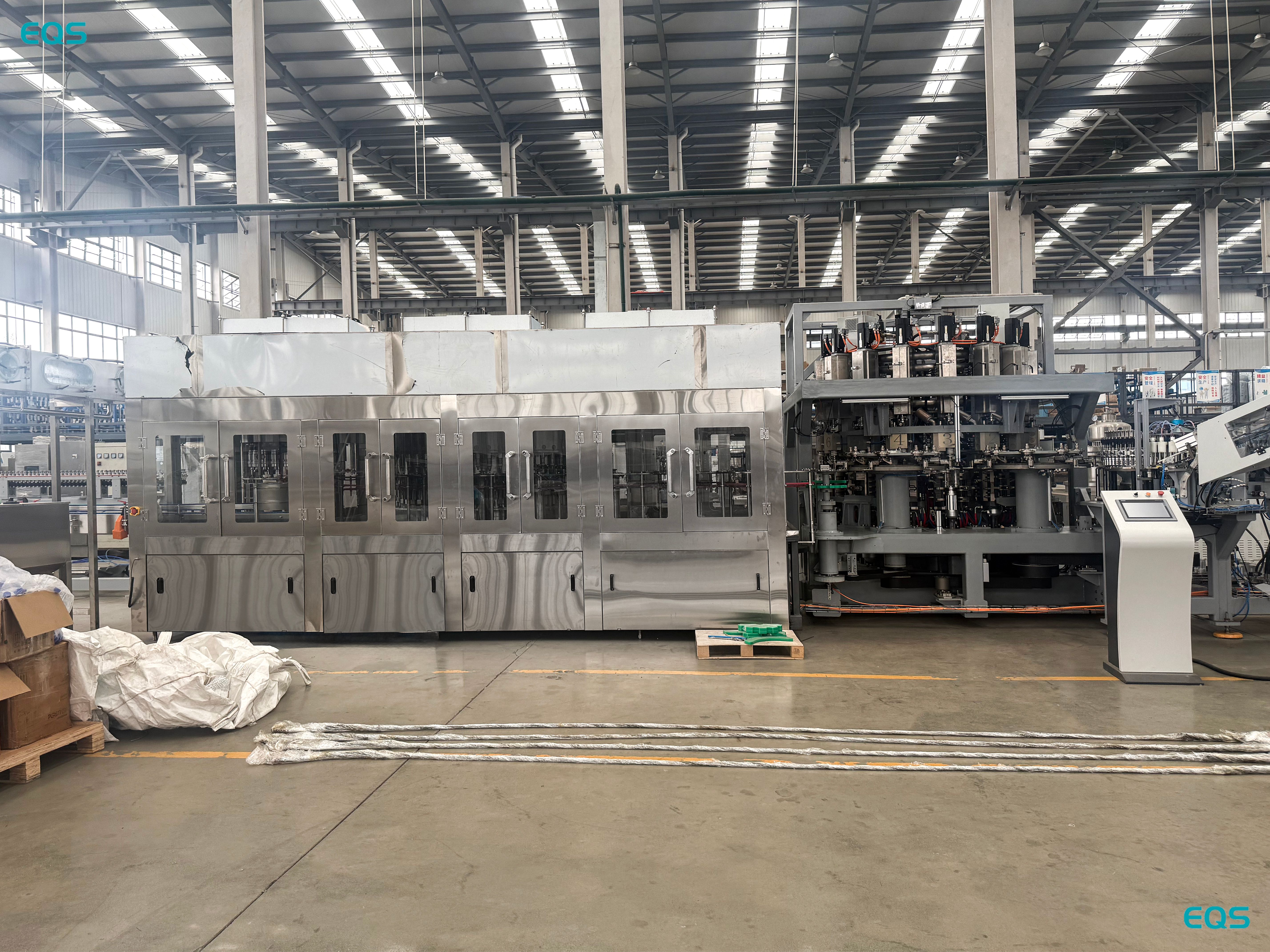
I do not buy large-scale filling equipment like I buy small tools. I need the supplier to stay with me after installation.
If one key part fails and the supplier cannot help fast, my whole line stops.
Many buyers expand output later. A good supplier can upgrade the line instead of forcing a full replacement.
A strong supplier knows how to match the line with local rules, bottle habits, and distribution needs.
| Partner Value | What I Expect | Result for My Project |
|---|---|---|
| Technical support | Fast answers and real help | Less downtime |
| Upgrade ability | Future expansion support | Better long-term value |
| Market understanding | Local compliance and use case fit | Easier launch |
| Spare part support | Stable supply chain | Faster recovery |
I always prefer original manufacturers when I buy a large beverage filling line. This is because I want direct control, better engineering, and fewer middle steps.
A real manufacturer can explain the process in detail. A trader may only repeat a brochure.
This matters when I need commissioning, spare parts, or format change support.
A supplier with many successful turnkey projects is more likely to understand real production problems.
| Supplier Type | Strength | Weak Point |
|---|---|---|
| Original manufacturer | Strong engineering and control | May need more technical discussion |
| Trading company | Easy communication | Less control over production |
| System integrator | Can offer full line | Quality depends on source factories |
I never trust a supplier just because they say they are good. I ask for proof.
I check for relevant food-grade and safety certifications because beverage production must protect consumers.
I ask for real turnkey project cases, especially high-speed lines and similar beverage types.
If the supplier can show stable line OEE data, I can better judge real operating performance.
A supplier with global project experience is usually more ready for complex delivery and service work.
| Proof Item | What I Ask For | Why It Helps |
|---|---|---|
| Certifications | Food safety and quality documents | Confirms compliance |
| Project cases | Photos, videos, references | Shows real experience |
| OEE data | Running efficiency records | Shows stability |
| Export history | Country list and service cases | Shows global support ability |
I look beyond the outer look of the machine. I focus on the real engineering points.
I want the whole line to work as one system. The water treatment, filler, labeler, packer, and palletizer must match.
The machine should be easy to clean. The piping, valves, and contact parts must suit beverage production.
If the buyer makes different bottle sizes, the line must switch fast and safely.
I pay attention to motors, PLCs, electrical parts, pumps, and valves. Cheap parts can cause unstable operation.
| Technical Factor | What I Check | Why It Matters |
|---|---|---|
| Line integration | Whole line matching | Better production flow |
| Sanitary design | Easy cleaning and safe contact parts | Better food safety |
| Changeover speed | Fast bottle size change | Less lost time |
| Core components | Famous brands or proven parts | Better stability |
| Control system | Easy operation and alarms | Easier training |
I think many buyers make the same mistake. They compare one filling machine price and forget the rest of the system. But a large plant does not run on one machine. It runs on a line. If the filler is fast but the labeler is weak, the whole line still slows down. If the control system is bad, the operator will make more mistakes. So I always study the full line layout, not just the core filler.
A low purchase price is not always a low real cost. I always look at the full lifecycle cost.
A machine that uses less air, water, and power can save money every day.
I check how often parts need replacement and how easy they are to find.
A better automatic line can reduce manual work.
If the line stops often, the real loss is much bigger than the machine price gap.
| Cost Item | What I Compare | Long-Term Effect |
|---|---|---|
| Energy | Power and utility use | Daily operating cost |
| Maintenance | Spare part frequency | Service budget |
| Labor | Operator demand | Payroll cost |
| Downtime | Failure risk and recovery speed | Production loss |
For large-scale production, service matters as much as equipment.
If the supplier can check alarms and faults remotely, I can solve problems faster.
I need fast access to key spare parts. Waiting too long can stop the whole plant.
My team must know how to run the line, clean it, and handle basic faults.
If the supplier sells abroad, they should understand time zones, shipping, and local site support.
| Service Point | What I Expect | Business Benefit |
|---|---|---|
| Remote support | Fast fault diagnosis | Less downtime |
| Spare parts | Quick delivery | Faster recovery |
| Training | Operator and maintenance training | Better daily operation |
| On-site service | Commissioning help | Better startup result |
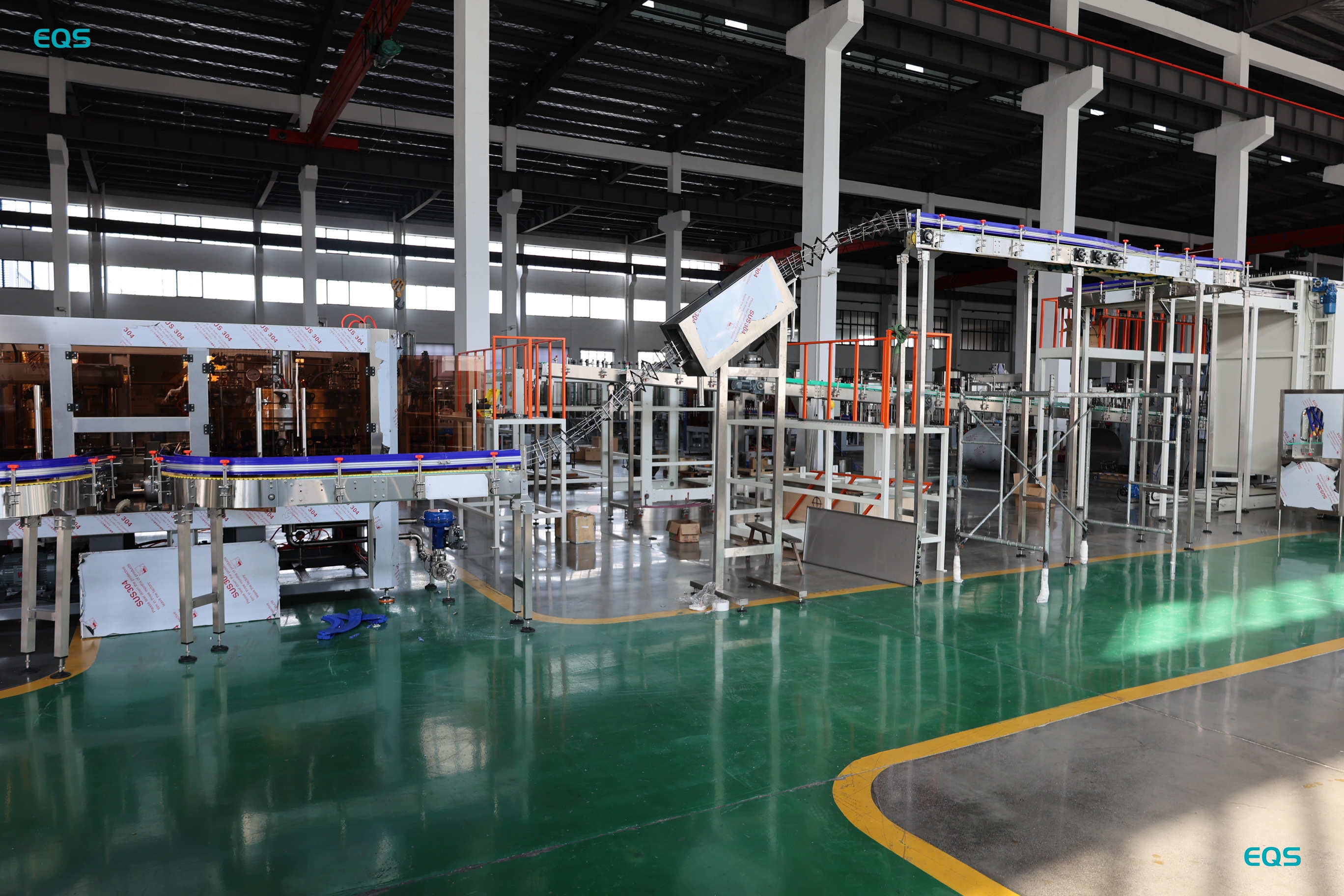
I never rely on verbal promises. I put technical and service terms into the contract.
The contract should state output, stability, and acceptance rules.
It should define materials, core parts, and hygienic design needs.
It should list response time, spare parts support, and training scope.
I want clear testing rules before final payment.
| Contract Item | What to Write | Why It Protects Me |
|---|---|---|
| Output target | Agreed production speed | Avoids false promises |
| Quality standard | Material and safety rules | Protects product quality |
| Service terms | Response and spare part time | Reduces risk |
| Acceptance plan | Testing method and limit | Makes delivery clear |
I think contract writing is part of good purchasing. It protects both sides. If the supplier promises high speed, that promise must be measurable. If they promise training, the training scope must be written down. If they promise fast spare parts, the time limit must be clear. This is how I reduce future conflict. It also helps my engineering team check if the supplier really meets the project needs.
At the end, I rank suppliers by total value, not just price.
The line must match the beverage, the bottle, and the target output.
I want a real manufacturer with strong project experience.
I need help after delivery, not only before the order.
Price matters, but it should not control the full decision.
For large-scale production, I choose a supplier by technical strength, proven project experience, and long-term service, not by price alone.
My name is Allen, and I'm an expert in filling machine technology at EQS, a leading liquid packaging solution provider based in China. If you're looking for top-quality equipment for your production line, feel free to reach out to me at [email protected]. We specialize in providing customizable solutions with cutting-edge technology.
Copyright © JIANGSU EQS MACHINERY CO.,LTD