 EN
EN


A carbonated drink can lose quality fast if the gas does not dissolve well. Many factories see weak carbonation, unstable taste, and poor foam control. These problems often come from bad gas mixing and poor temperature control.
A CO2 mixer mixes the liquid with carbon dioxide, and a chiller lowers the liquid temperature to 0–4°C so the CO2 can dissolve fully. In a high-quality CSD line, both machines work together.

When I talk with buyers about carbonated soft drink lines, I always say the same thing. The mixer is important, but the chiller is just as important. If one side is weak, the final product will not be stable.
I see many customers focus on the filling machine and forget the carbonation stage. But carbonation is what gives the drink its real character. If the gas is not handled well, the drink will not taste right and may also lose shelf appeal.
A CO2 mixer combines the liquid and carbon dioxide under controlled conditions. The goal is to make the gas dissolve into the beverage in a stable way. This is not just about adding gas. It is about making the gas stay in the liquid.
If CO2 is not fully dissolved, the drink may have uneven bubbles, poor mouthfeel, and fast foam loss after opening. The bottle may also feel less consistent from one batch to another. That is bad for brand quality and customer trust.
EQS's mixer is designed to fully dissolve CO2 into the materials. That means the final beverage can reach better carbonation quality, if the process conditions are correct. But this result depends on one key factor: temperature control.
| Mixer Function | Effect on Product | Why It Matters |
|---|---|---|
| CO2 mixing | Adds gas to liquid | Creates carbonation |
| Pressure control | Supports gas dissolve | Improves stability |
| Flow control | Keeps process even | Reduces batch variation |
| Full dissolution | Better final taste | Improves product quality |
A CO2 mixer cannot do the full job alone. I always tell buyers that gas dissolves better when the liquid is cold. That is why the chiller is not optional in a high-quality CSD line.
As the liquid temperature drops, CO2 can dissolve more easily into the water or beverage base. If the liquid is too warm, the gas escapes faster. That means poor carbonation and unstable product quality.
For good carbonation, the material should be cooled to 0–4°C. At this range, CO2 can dissolve into water more easily. This is why the chiller is a key support machine in the line. It prepares the liquid for better gas absorption.
If the temperature is too high, the mixer will struggle. The drink may need more gas, but the gas still may not stay in the liquid. This can lead to loss of product quality, more waste, and weaker market performance.
| Temperature Condition | CO2 Dissolution Result | Product Impact |
|---|---|---|
| 0–4°C | Easy dissolution | Better carbonation |
| Above 4°C | Lower dissolution | Weak gas retention |
| Too warm | Gas escapes faster | Poor drink quality |
I do not treat these two machines as separate tools. I see them as one process pair. The chiller prepares the liquid, and the mixer finishes the carbonation task. If one part fails, the whole system loses efficiency.
First, the chiller lowers the beverage base temperature to the right range. This step gives the liquid the right physical condition for carbonation. Without this step, the next process becomes harder.
Then the CO2 mixer brings the gas into the liquid under pressure. Because the liquid is already cold, the gas dissolves more fully. That creates a more stable carbonated product.
After carbonation, the product moves to the filling machine. If the gas level is stable, the filling step is easier to control. The final bottled drink will have better consistency from bottle to bottle.
If the chiller is too weak, the mixer cannot perform well. If the mixer is too slow or unstable, the chilled liquid may lose quality before filling. So I always check the capacity match between these two machines.
| System Part | Main Job | Risk if Poorly Matched |
|---|---|---|
| Chiller | Lowers temperature | Weak CO2 absorption |
| CO2 mixer | Dissolves gas into liquid | Poor carbonation quality |
| Filling machine | Seals product in bottle | Gas loss before sealing |
| Process timing | Keeps line balanced | Production instability |
I know many buyers compare machine prices first. But for CO2 mixing, that is not enough. The real question is whether the system can make stable, high-quality carbonated drinks day after day.
A good mixer should not just inject CO2. It should dissolve the gas fully into the liquid. Buyers should ask for clear performance details, not just a general promise.
The chiller must be strong enough to bring the liquid to 0–4°C and keep it there during production. If the cooling power is weak, the carbonation effect will go down quickly during long runs.
A small line and a high-speed line do not need the same chiller or mixer size. I always match the system to the real production capacity. This avoids underperformance and also avoids overspending.
Different carbonated drinks may need different gas levels. Some drinks need stronger fizz. Some need softer carbonation. So the mixer and chiller should support the product formula, not just the bottle size.
A high-quality CSD line must run for a long time with stable results. I want to know how easy it is to clean, inspect, and adjust the system. A machine that is hard to maintain will cost more in the long run.
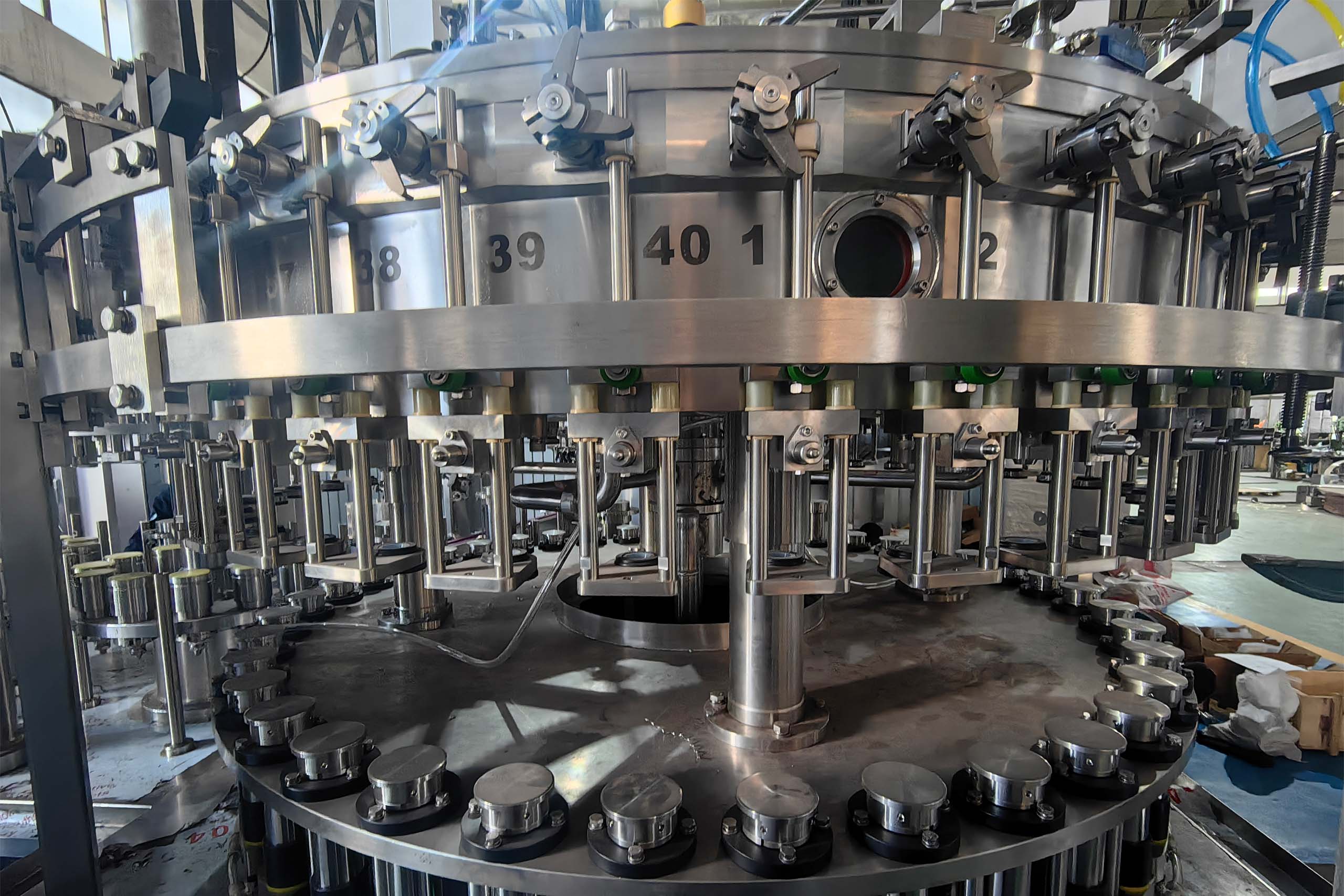
In the beverage market, taste is not the only thing that matters. The look, the bubble feel, and the opening experience all shape how customers judge the product. That is why CO2 control is a brand issue, not just a technical issue.
When CO2 is dissolved well, the drink feels fresh and clean. The bubbles are fine and stable. The product looks better in the bottle and tastes better when opened.
If every batch is different, the brand will suffer. A good mixer and chiller help keep the product more consistent. That is very important for factories that want to build long-term trust in the market.
When carbonation is stable, there are fewer rejects and fewer complaints. That means less wasted product and lower operating cost. For me, this is one of the strongest reasons to invest in a better system.
In a high-quality CSD line, the CO2 mixer and chiller work together. The chiller cools the liquid to 0–4°C, and the mixer helps dissolve CO2 fully for better carbonation and product quality.
My name is Allen, and I'm an expert in filling machine technology at EQS, a leading liquid packaging solution provider based in China. If you're looking for top-quality equipment for your production line, feel free to reach out to me at [email protected]. We specialize in providing customizable solutions with cutting-edge technology.
Copyright © JIANGSU EQS MACHINERY CO.,LTD