 EN
EN


When I talk with beverage factory buyers, I often hear the same problem. Their line is too slow, and their labor cost keeps rising. A weak setup can hurt output and profit fast.
A rotary water filling line is faster and more automated than a linear filling line. If your current line still uses linear machines, I suggest you consider upgrading to rotary equipment for better speed, stability, and long-term efficiency.
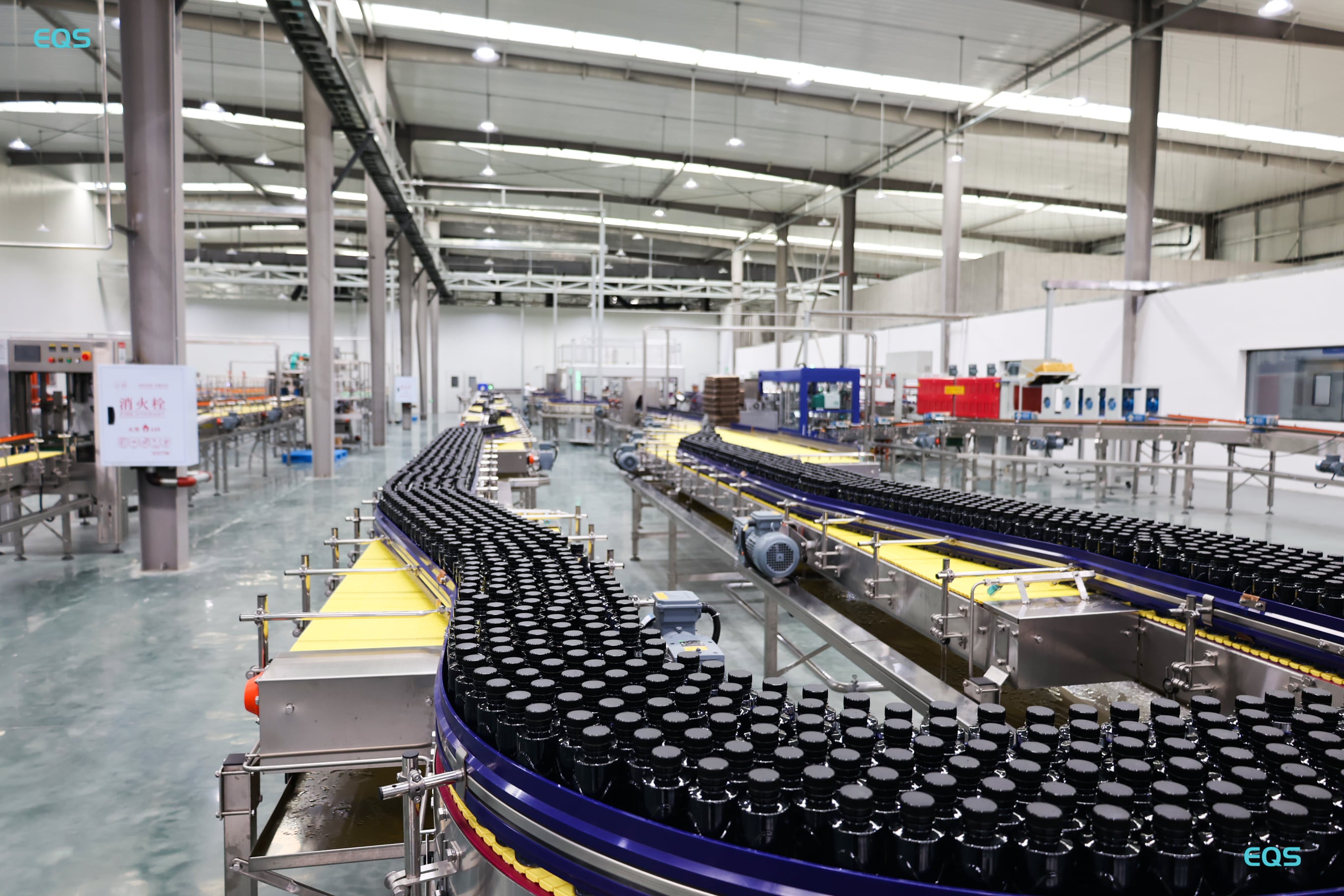
If you are planning a new project or thinking about an upgrade, this choice matters a lot. I want to break it down in a simple way, so you can compare both options with a clear mind.
When I explain this to customers, I start from the basic structure. A linear line moves bottles in a straight path. A rotary line moves bottles in a circular path. This simple design difference changes speed, labor use, and production stability.
A linear filling machine is easier to understand. Bottles enter one side, fill in a straight line, and leave from the other side. It is often used for smaller output or lower budgets. Many buyers choose it first because the price is lower and the structure is simple.
A rotary filling machine uses a rotating table or turret. Bottles move around the machine while each station does its job. This design allows the machine to handle more bottles in less time. It also gives better automation and better control over the process.
| Item | Linear Setup | Rotary Setup |
|---|---|---|
| Production speed | Lower | Higher |
| Automation level | Basic to medium | High |
| Labor need | More operators | Fewer operators |
| Space use | Simple layout | More compact for high output |
| Best for | Small to medium capacity | Medium to large capacity |
In real projects, this difference affects the whole line. If a factory wants higher output, the linear line may become the bottleneck. If the line stops often or needs many workers, the factory loses time and money. A rotary setup helps reduce those problems. It is more suitable when a customer wants stable production and faster return on investment.
I usually recommend replacement when the customer already has market demand but the old line cannot keep up. A linear system may work at the start, but it can limit growth later. A rotary machine gives a stronger base for scale-up.
A rotary machine can process more bottles per hour. This is important when demand increases or when a factory works with large retail orders. If the machine fills faster, the whole line moves faster. That means better daily output and better use of plant space.
A rotary setup usually has a higher degree of automation. It can reduce manual handling and improve consistency. That helps lower the risk of human error. It also helps make the filling process more stable, which is very important for water products.
Many factories first choose linear machines because the budget is tight. I understand that. But I also tell buyers to think about labor cost over time. A linear line often needs more manual support. A rotary line can reduce this pressure. That can save cost month after month.
If a customer already has a stable market, the next step is usually capacity growth. A rotary line is often a better fit for that stage. It supports future expansion more easily than a linear line. It also gives a more professional production image when customers visit the factory.
| Factor | Replace Linear with Rotary? | Reason |
|---|---|---|
| Need for higher output | Yes | Rotary machines run faster |
| Need for more automation | Yes | Rotary systems reduce manual work |
| Tight budget only | Maybe not yet | Linear machines are cheaper at the start |
| Planning for growth | Yes | Rotary systems support scaling |
| Looking for better efficiency | Yes | Rotary setups improve line flow |
If your current linear line still meets your demand, you do not need to rush. But if your orders are growing, or if labor and downtime are becoming a problem, I think a rotary replacement is a smart move. In many cases, the upgrade pays back through higher output and lower operating pressure.
I always start by checking the customer’s real capacity target. I also look at the bottle type, product type, factory space, and budget. A good solution should fit the plant, not just look good on paper.
I ask simple questions. How many bottles per hour do you need? What kind of water product are you filling? Do you want a full automatic line or a step-by-step upgrade? These answers help me decide if linear or rotary is the better choice.
For small projects or limited budgets, I may still suggest a linear line. It is easier to start with. For customers who want higher output and better long-term efficiency, I often recommend a rotary water filling line. If a customer wants a turnkey solution, I can also help plan the full line, including water treatment, filling, labeling, packing, and palletizing.
A filling machine does not work alone. Water treatment affects water quality. Labeling affects product appearance. Packaging affects shipping. Palletizing affects storage and labor. I always remind customers that the whole line must work together. If one part is weak, the whole system slows down.

| Question | If Yes, Think About Rotary |
|---|---|
| Do you want higher hourly output? | Yes |
| Do you want fewer operators? | Yes |
| Do you plan to expand soon? | Yes |
| Do you need a compact high-speed setup? | Yes |
| Is your current linear line too slow? | Yes |
If you are still using a linear filling machine, I think it is worth reviewing your future production goals now. A rotary filling machine may be the better next step for your business.
Rotary filling machines are faster and more automated than linear machines, so they are often the better choice for customers who want to grow and improve efficiency.
My name is Allen, and I'm an expert in filling machine technology at EQS, a leading liquid packaging solution provider based in China. If you're looking for top-quality equipment for your production line, feel free to reach out to me at [email protected]. We specialize in providing customizable solutions with cutting-edge technology.
Copyright © JIANGSU EQS MACHINERY CO.,LTD