 EN
EN


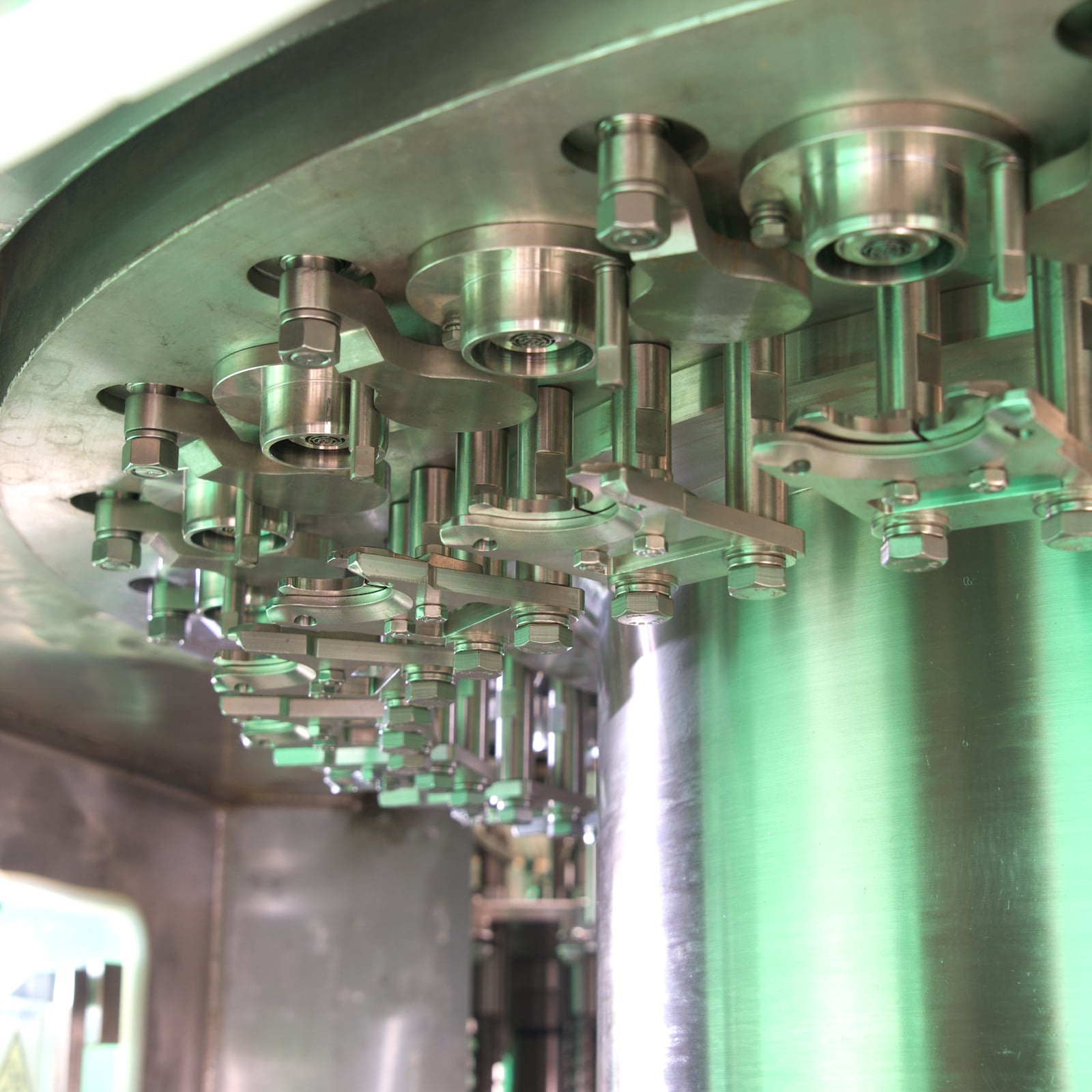
Why High-Precision Aseptic Filling Machines Are Essential for Preservative-Free ESL Beverages
The market shift toward ambient-stable, clean-label beverages
Consumer demand has decisively shifted toward ambient-stable beverages with minimal ingredients and no synthetic preservatives. Clean-label ESL (Extended Shelf Life) products grew 19% YoY in 2023—a clear rejection of additives like potassium sorbate. This trend demands packaging technologies that ensure sterility without chemical intervention. High-precision aseptic filling machines meet this need by enabling shelf-stable juice, plant-based milk, and functional beverages through physical barriers alone. Brands achieve 6–12 months of ambient stability while fully satisfying clean-label expectations—critical for both retail shelf presence and e-commerce logistics.
How UHT + high-precision aseptic filling synergize to eliminate microbial spoilage without preservatives
Ultra-High Temperature (UHT) processing delivers commercial sterility by eliminating pathogens and spoilage microorganisms—but protection ends at the sterilizer exit. High-precision aseptic filling machines preserve that sterility across three integrated phases:
- Container sterilization: Dual-stage H₂O₂ baths and dry heat tunnels achieve ≥6-log microbial reduction
- Aseptic transfer: Laminar airflow and positive pressure isolators prevent airborne recontamination
- Hermetic sealing: Real-time seam monitoring ensures package integrity
This synergy preserves sensory and nutritional quality far better than hot-fill methods. For example, vitamin C retention in UHT + aseptic filled juices reaches 85–92% after 180 days—versus just 60–75% in hot-fill equivalents. Spoilage rates drop below 0.1%, and shelf life extends up to 3× longer than conventional filling—enabling true preservative-free ESL production.
Core Engineering Features of a High-Precision Aseptic Filling Machine
ISO Class 5 aseptic zone with real-time bioburden monitoring and environmental control
The machine’s sterile core maintains ISO Class 5 conditions—≤3,520 particles/m³ at 0.5μm—through HEPA-filtered laminar airflow moving unidirectionally at ≥0.45 m/s. Continuous bioburden monitoring uses ATP bioluminescence sensors to detect contamination in real time; automated shutdowns activate if levels exceed 1 CFU/m³. Integrated HVAC sustains positive pressure differentials (>15 Pa), temperature (±1°C), and humidity (±5% RH). Together, these controls deliver <0.001% contamination rates—making preservative-free ESL production technically and commercially viable.
Validated VHP decontamination and automated sterility assurance protocols
Vaporized Hydrogen Peroxide (VHP) sterilization achieves validated 6-log microbial reduction per ISO 14937 via precisely controlled cyclic phases: conditioning (45% RH stabilization), H₂O₂ injection (800–1200 ppm), and aeration. Sterility is verified using Geobacillus stearothermophilus spores as biological indicators, with parametric release systems tracking dwell time (±5 s) and concentration (±50 ppm). Particle counters, microbial air samplers, and pressure sensors feed data into PLC-controlled alarm hierarchies—creating a closed-loop assurance system that reduces manual interventions by 78% and maintains sterility between changeovers.
Performance Advantages: ESL Stability, Quality Retention, and Operational Efficiency
3–6× longer ambient shelf life vs. hot-fill, with superior vitamin, flavor, and color preservation
High-precision aseptic filling enables ambient stability for 12–24 months—3–6× longer than hot-fill—while preserving >95% of heat-sensitive vitamins and antioxidants. Because filling occurs at ambient temperatures immediately after UHT treatment, thermal degradation of flavor compounds and pigments is minimized. This translates directly to measurable gains: spoilage rates stay below 0.1%, overfilling is reduced, and fill accuracy holds within ±0.5%, boosting yields by 15–30%.
Key benefits include:
- Nutrient retention: Vitamin C remains >90% after 18 months versus <60% in hot-filled equivalents
- Flavor integrity: 40% lower formation of cooked-flavor compounds like HMF (hydroxymethylfurfural)
- Resource efficiency: 20% less packaging material required compared to thermal-processed alternatives
With continuous runs exceeding 72 hours and zero quality deviation, these systems maximize uptime and support scalable, preservative-free production.
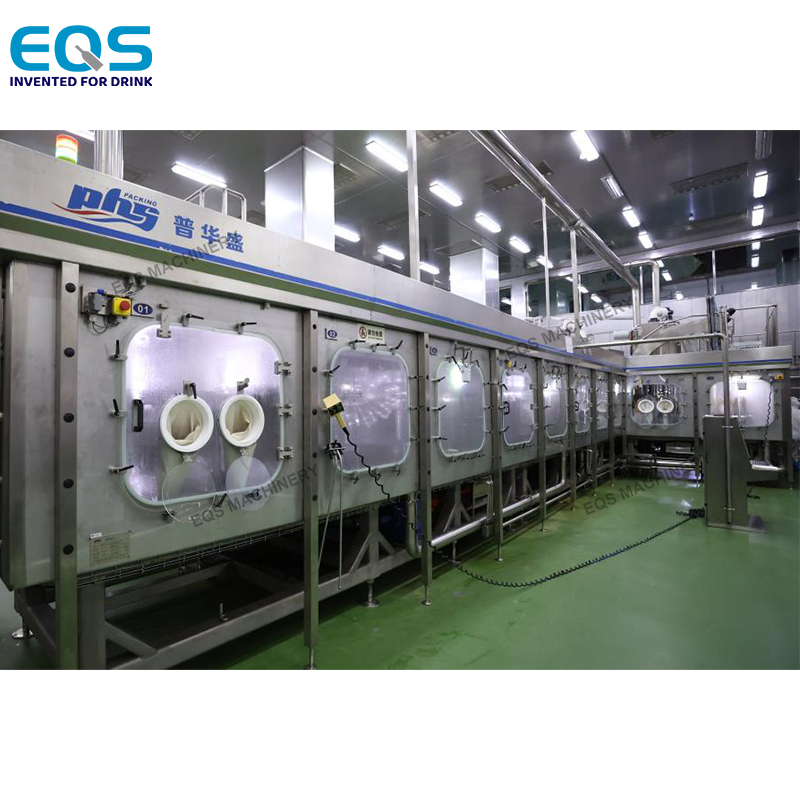
End-to-End Aseptic Filling Process: From Sterilization to Hermetic Sealing
Container and closure sterilization: Dual-stage H₂O₂ + thermal treatment achieving ≥6-log reduction
Containers and closures undergo validated dual-stage sterilization: hydrogen peroxide (H₂O₂) vapor first penetrates complex geometries, then controlled thermal activation decomposes residual H₂O₂ into water vapor. This combined approach achieves ≥6-log pathogen reduction—exceeding FDA requirements for ambient-stable beverages—and neutralizes both vegetative cells and spores without compromising material integrity.
Filling and sealing under continuous sterile conditions: Laminar airflow, pressure cascades, and isolator-integrated robotics
After sterilization, containers enter an ISO Class 5 environment maintained by vertical laminar airflow (0.45 m/s), positive pressure cascades, and robotic arms housed entirely within isolators. Filling occurs via sterilized nozzles with ≤0.5% volume variation, followed immediately by hermetic sealing. This uninterrupted, isolator-protected sequence eliminates any break in sterility—ensuring the microbial integrity essential for preservative-free extended shelf life.
Table of Contents
- Why High-Precision Aseptic Filling Machines Are Essential for Preservative-Free ESL Beverages
- Core Engineering Features of a High-Precision Aseptic Filling Machine
- Performance Advantages: ESL Stability, Quality Retention, and Operational Efficiency
- End-to-End Aseptic Filling Process: From Sterilization to Hermetic Sealing