 EN
EN


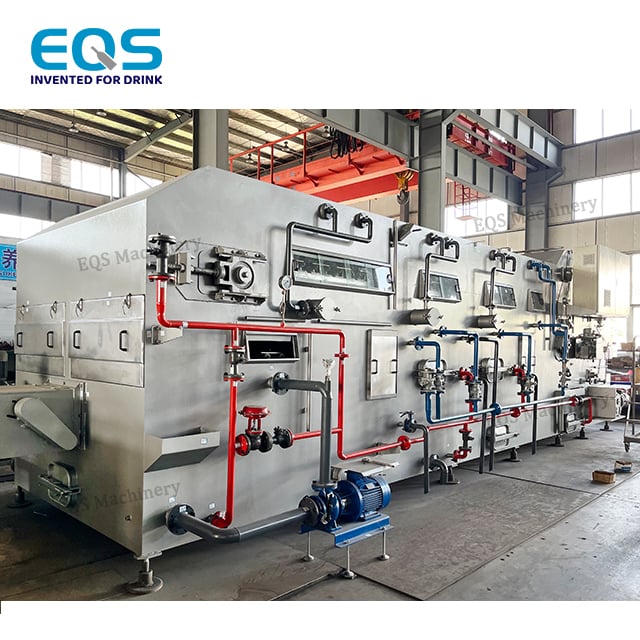
Enhancing Product Quality Through Consistent Cleaning and Sterilization
Eliminating Microbial Contamination with Precision Wash Cycles
When bottles are cleaned manually, tiny residues often remain behind where harmful microbes can grow unchecked. Glass bottle washing machines tackle this problem with programmed cleaning sequences that mix specific temperature settings, powerful water jets, and just the right amount of cleaning agents. Take for instance an 85 degree Celsius alkaline wash paired with reverse osmosis rinsing. These methods knock out biofilm forming bacteria around 99.7 percent better than what manual scrubbing achieves, which stops those dangerous contamination pathways in drug manufacturing. The cleaning programs themselves adjust based on what kind of mess they're dealing with. Organic dirt gets treated differently from stubborn silicone oil buildup thanks to tailored soaking periods. After all that, there's literally nothing left to find during FDA swab testing. Why does this matter so much? Because when sterile conditions fail, companies typically end up paying around seven hundred forty thousand dollars each time there's a product recall according to the Ponemon Institute report from last year. What makes automated systems truly valuable is their ability to keep hitting these standards consistently over tens of thousands of cleaning cycles without ever slipping up.
Extending Shelf Life and Ensuring FDA/EMA Compliance via Validated Sterilization
Sterilization protocols that have been properly validated are essential if companies want to meet FDA and EMA requirements. Glass bottle washing machines handle this mainly through steam sterilization at around 121°C lasting about 20 minutes. According to ISO 17665 standards, this method effectively kills even the toughest heat resistant spores. Products treated this way tend to last significantly longer on shelves—somewhere between 40% to 60% extra time compared to when using unverified methods. This happens because the process removes those little enzymes that start breaking things down over time. When it comes to documentation, keeping track of all parameters like temperature, pressure levels, and how long each cycle runs is critical during inspections. Manual approaches just don't cut it here since they can vary quite a bit in effectiveness, showing roughly 34% differences in results across different batches. Let's look at what these differences actually mean for quality control in practice.
| Validation Aspect | Automated Machine | Manual Processing |
|---|---|---|
| Sterility Assurance Level | 10⁻⁶ (ISO 17665) | Unverifiable |
| Cycle Consistency | ±0.5°C tolerance | ±15°C fluctuations |
| Audit Documentation | Automated digital records | Paper logs prone to gaps |
Continuous monitoring via embedded sensors flags deviations immediately, preventing non-compliant batches from advancing. This reduces regulatory rejection risks by 89% while ensuring patient safety.
Reducing Labor Costs and Operational Risk with Automated Glass Bottle Washing Machines
Replacing Manual Scrubbing, Rinsing, and Inspection: A 65% Labor Reduction Benchmark
When companies automate their cleaning processes using glass bottle washing machines, they get rid of all those tedious manual jobs that used to take workers anywhere between 3 to 4 minutes per bottle. Scrubbing, rinsing, and checking each bottle visually were just some of the time consuming tasks people had to do day after day. Standardizing how things get done across the facility means most places see around a 65% drop in reliance on human labor. Staff members who would otherwise spend hours doing this work can now focus on better stuff like making sure product quality stays consistent throughout production runs. Plus there's less strain on employees' bodies since nobody has to handle damp, heavy bottles for extended periods anymore. These kinds of injuries are actually one of the top reasons why workers file compensation claims at bottling plants.
ROI Analysis: Payback in Under 14 Months Despite Upfront Investment
While automated systems require initial capital, their operational savings deliver rapid returns. Facilities report payback periods of under 14 months through three key efficiencies:
- Labor optimization: Cutting 65% of manual cleaning roles
- Resource conservation: Reducing water and detergent use by 30–50%
-
Accident cost avoidance: Eliminating slip hazards and glass-handling injuries
This ROI is accelerated by throughput gains—automated lines process 200% more bottles hourly than manual teams—making the investment strategically compelling for high-volume producers.
Glass Bottle Washing Machine Performance: Automated Reliability vs. Manual Variability
Glass bottle washing machines today offer far better consistency than what anyone can achieve manually. These automated systems handle anywhere between 2,000 to over 30,000 bottles each hour thanks to their controlled heating and water pressure settings, which basically takes all the guesswork out of scrubbing and rinsing operations. The result? Product losses drop dramatically from around 5-10% down to just under 1%, plus every single container gets properly sterilized throughout. Manual cleaning just cant keep up with hygiene requirements after several hours on the job line, especially when workers start getting tired and mistakes happen more frequently. Automated washers also have another advantage nobody talks about much they create far fewer tiny scratches on glass surfaces that would weaken them over time during hand washing. This matters a lot for facilities needing to meet FDA or EMA standards, where having reliable equipment means fewer rejected product runs and maintaining that consistent brand reputation customers expect.
FAQ
What is the main advantage of using automated glass bottle washing machines?
The main advantage of using automated glass bottle washing machines is their ability to consistently meet high standards of cleanliness and sterilization, reducing microbial contamination and ensuring FDA/EMA compliance.
How do automated systems affect labor costs?
Automated systems significantly reduce labor costs by cutting reliance on manual cleaning roles by approximately 65% and allowing staff to focus on more critical aspects of production.
What is the ROI for investing in automated cleaning systems?
The ROI for investing in automated cleaning systems is realized quickly, with payback periods typically under 14 months due to lower labor and resource costs, as well as increased production efficiency.
How do automated systems benefit product quality control?
Automated systems benefit product quality control by ensuring consistent cleaning and sterilization processes, minimizing product losses, and reducing the incidence of rejected batches during quality control inspections.