EN
EN

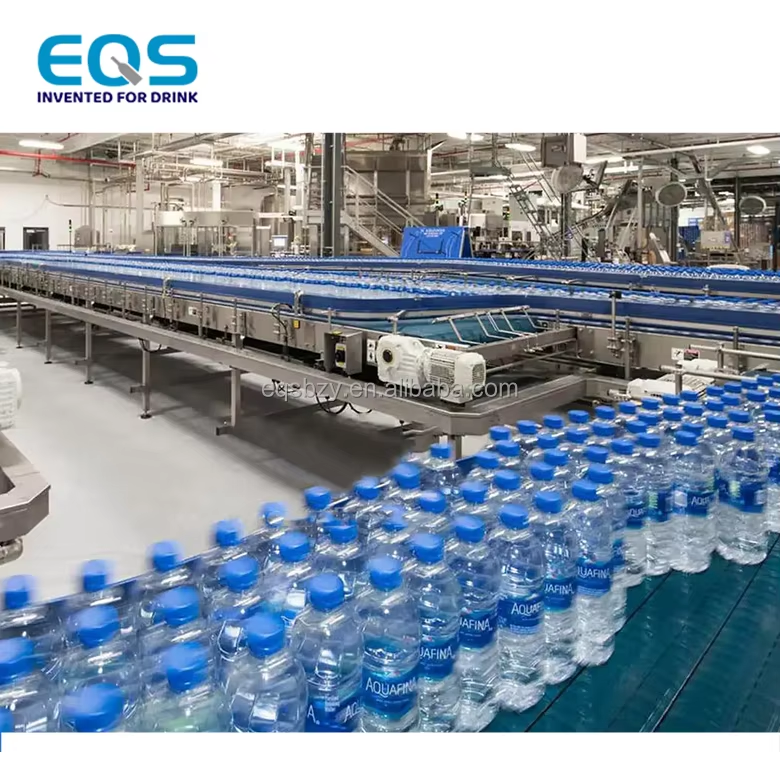
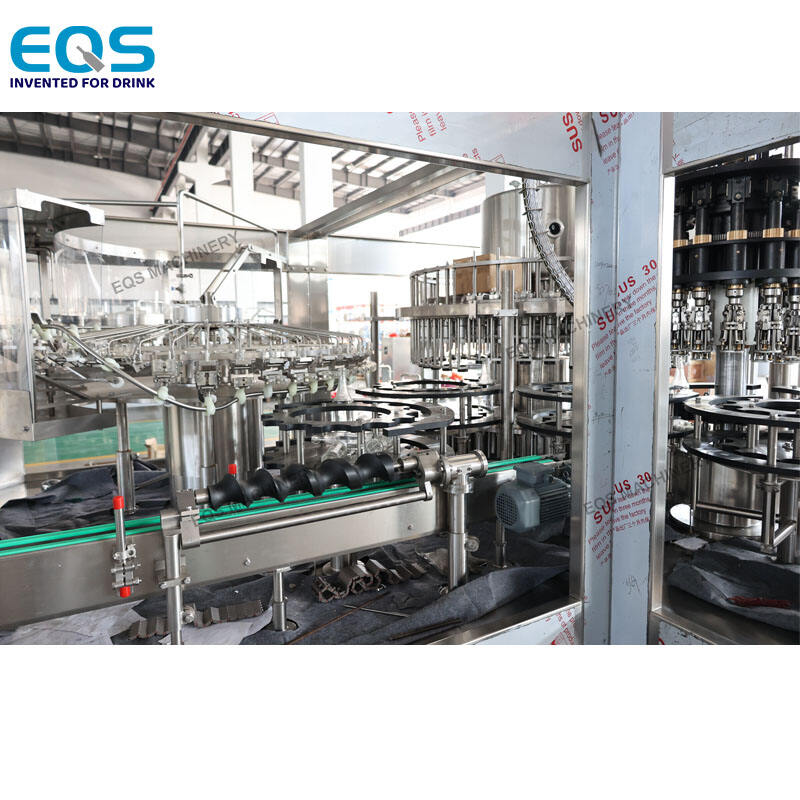
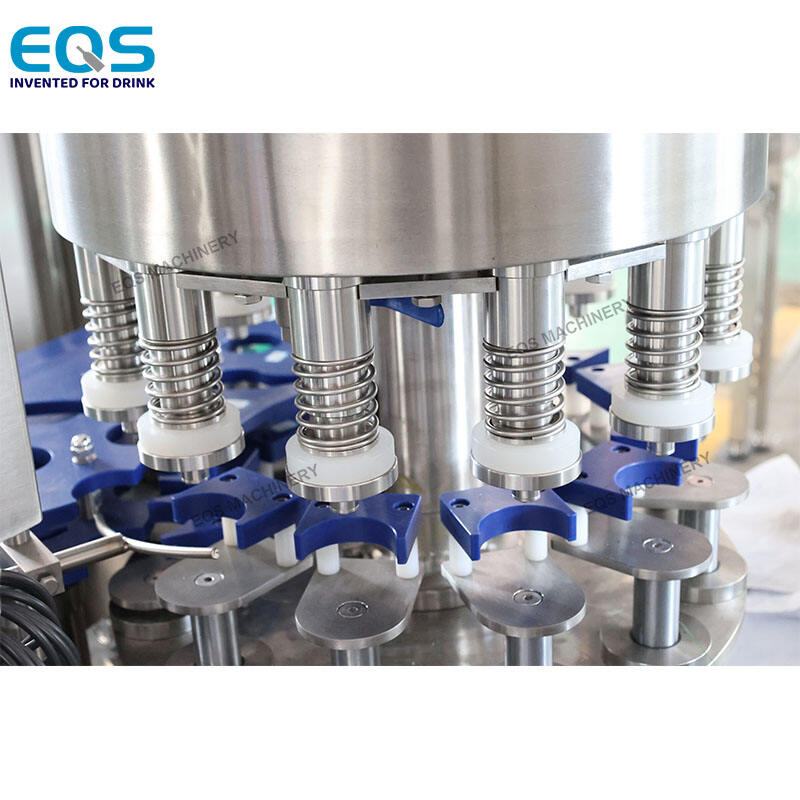
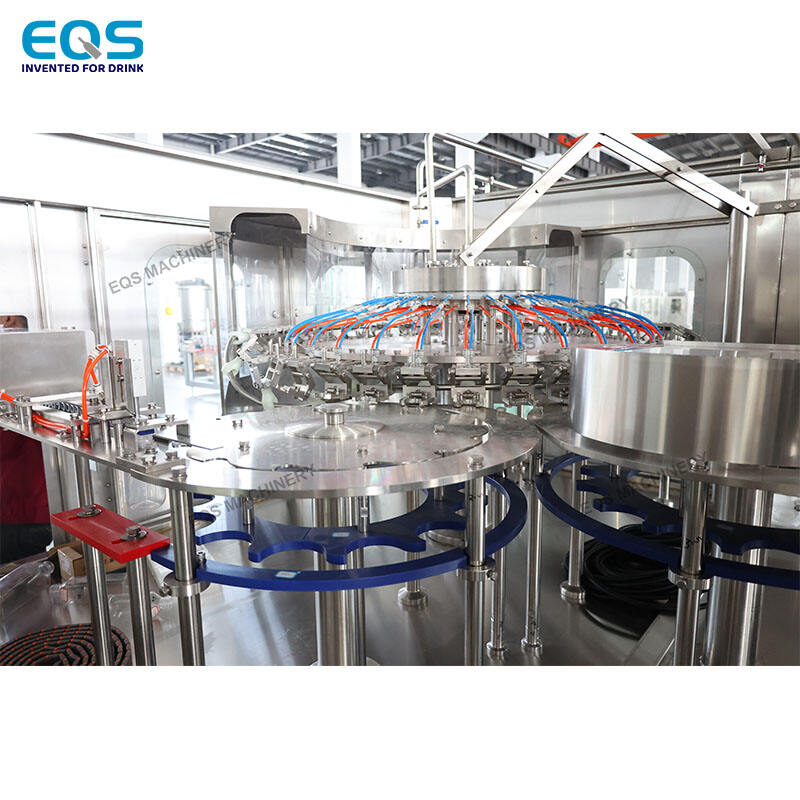
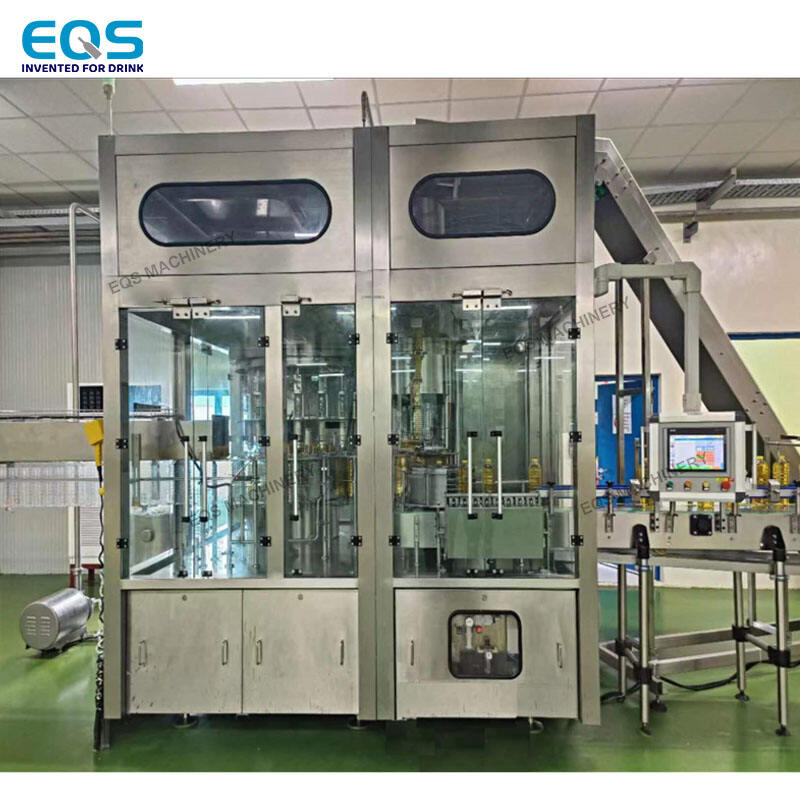
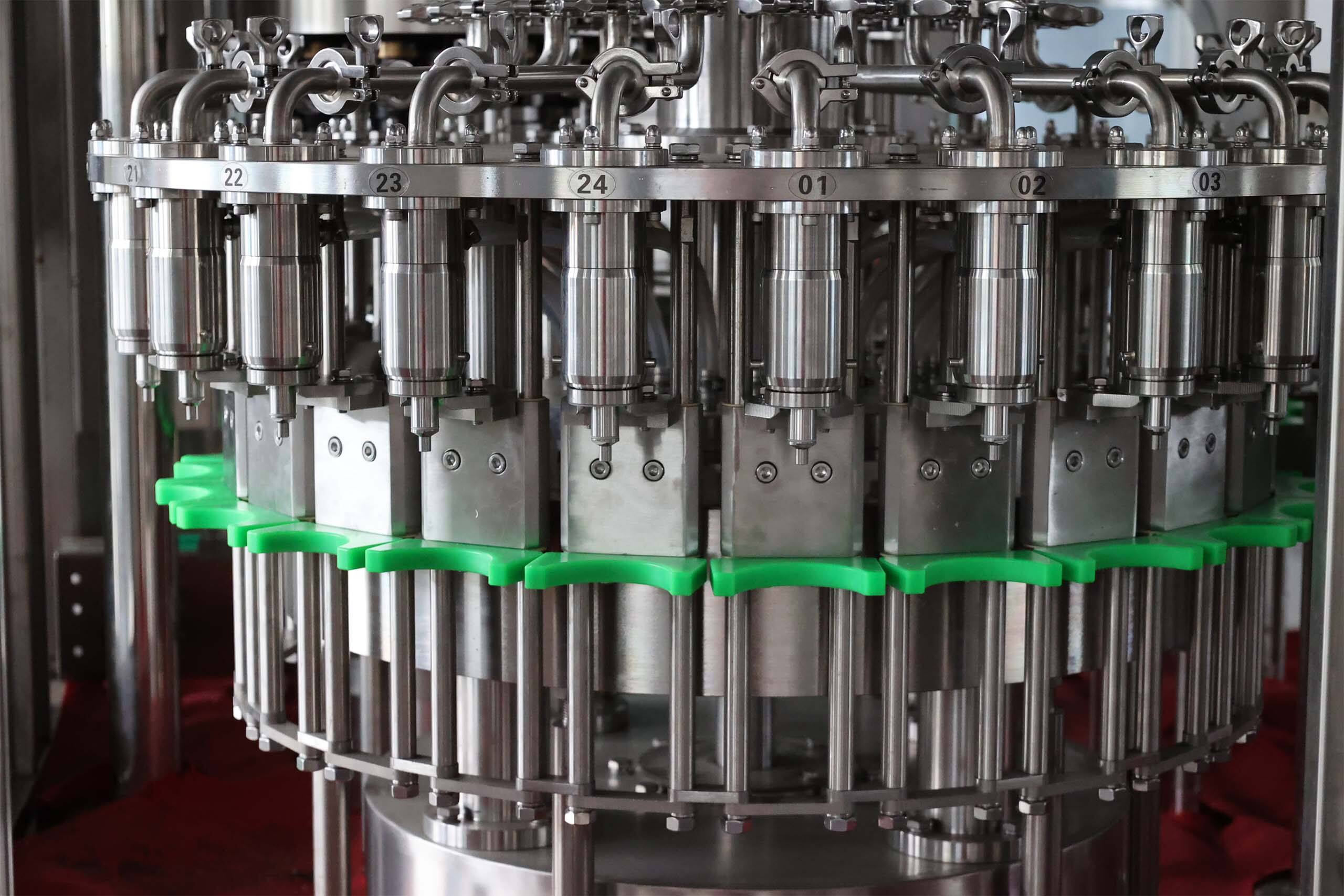
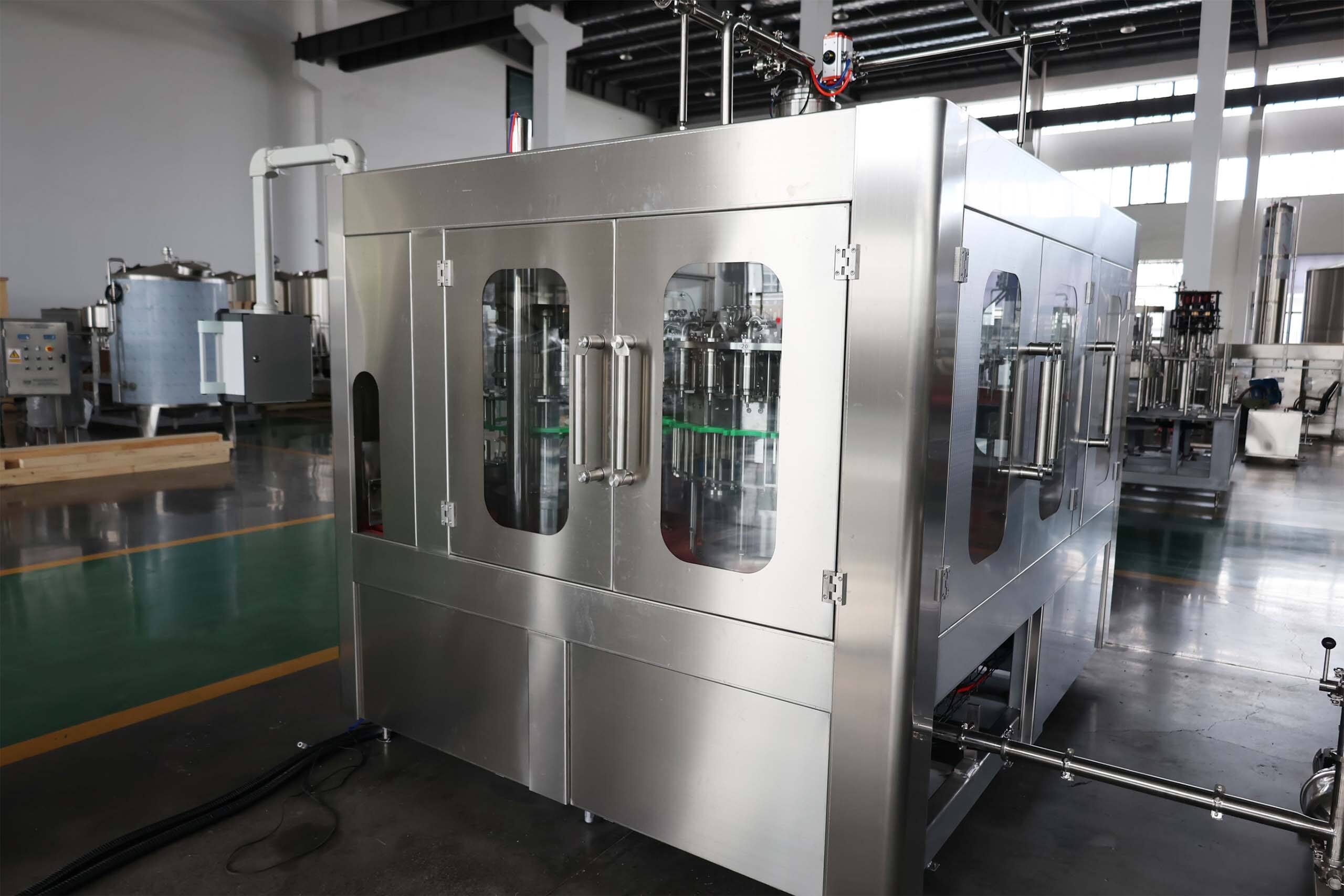
Modern wine bottling equipment has become the cornerstone of efficient production, yet its application extends far beyond simple filling and corking. Today, highly scalable and adaptable bottling machines empower producers of all sizes, enabling growth, diversification, and the ability to meet evolving market demands.
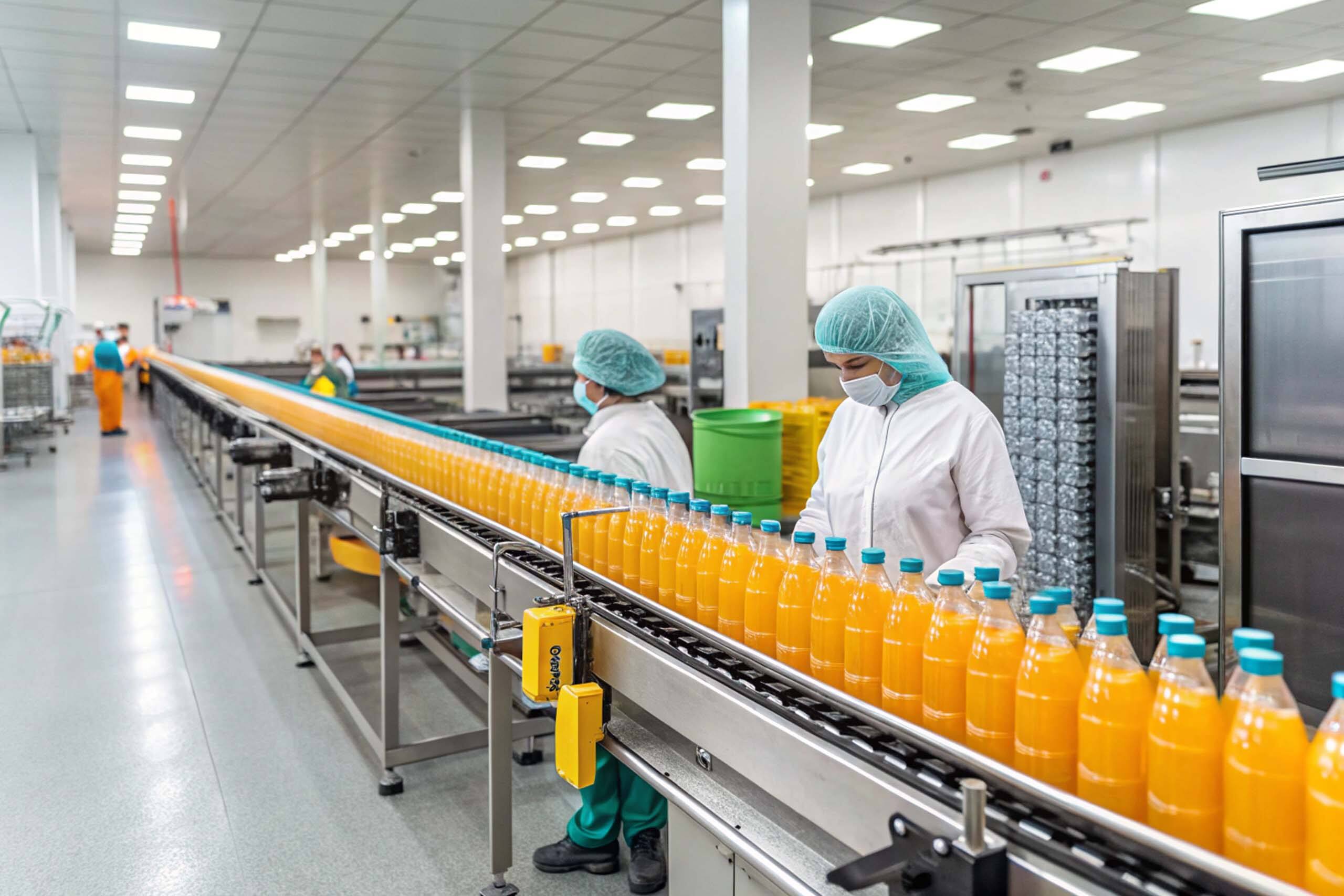
For commercial wineries pursuing scale, bottling machines are pivotal for boosting capacity and ensuring brand consistency. They ensure identical liquid levels, seals, and label precision for every bottle, eliminating human error and safeguarding premium brand image. Simultaneously, automated lines dramatically increase bottling speed—from dozens to hundreds or even thousands of bottles per hour—significantly reducing labor costs, minimizing wine loss, and accelerating seasonal product launches. Closed systems also minimize wine-oxygen contact, preserving purity and stability.
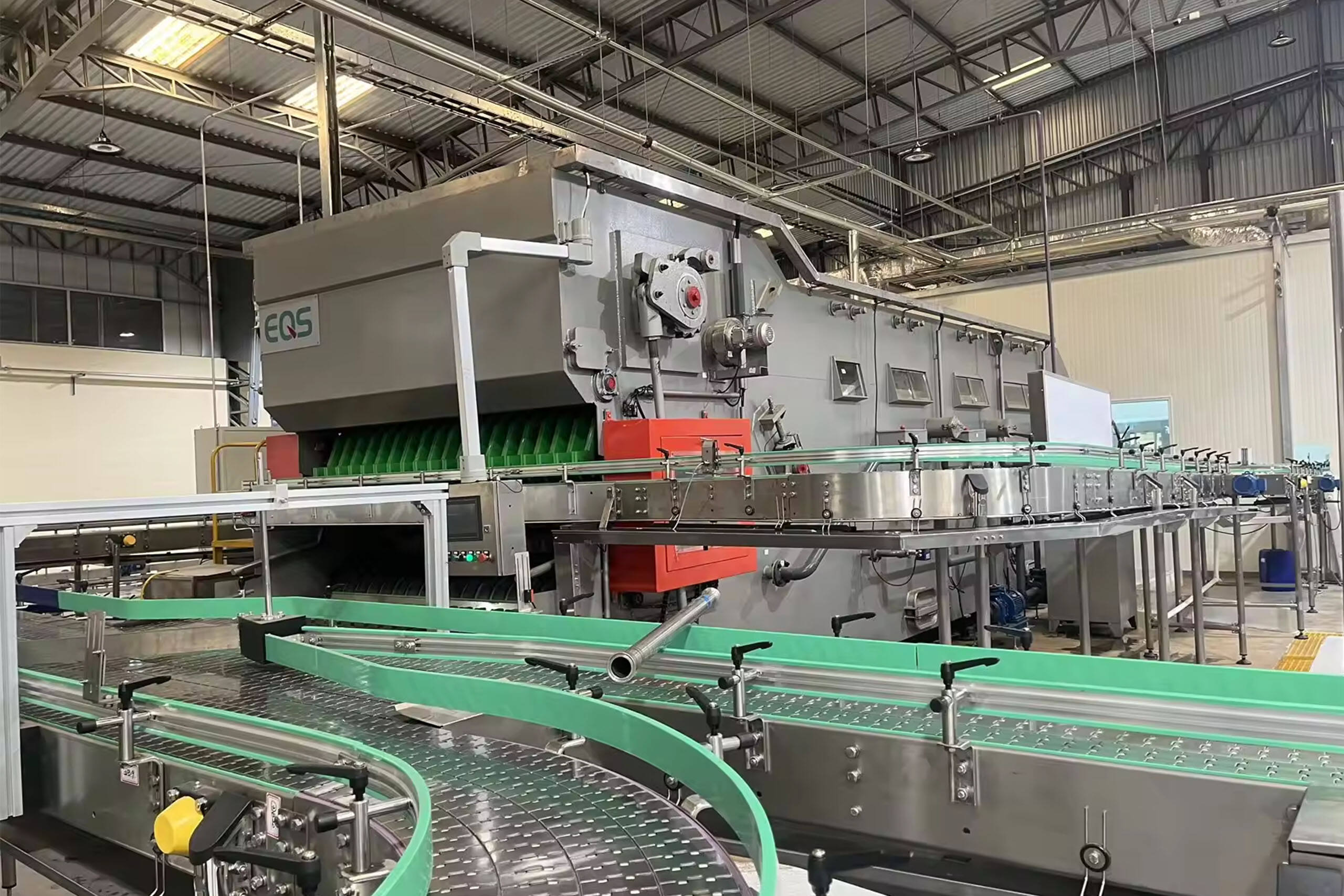
This technology also presents vast opportunities for contract bottling service providers. By equipping flexible, easily convertible bottling lines, providers can attract a more diverse clientele—including small winemakers and vineyards without their own bottling equipment, as well as brands seeking private label services. This transforms bottling equipment from a single cost center into a profit engine capable of generating value even during off-peak seasons.
For niche boutique wineries on the rise, bottling machines represent a crucial step toward professionalization. A compact semi-automatic unit helps them transition from inefficient, labor-intensive methods. This enables a leap in efficiency, standardization, and scalability while preserving the artisanal spirit of handcrafted winemaking—particularly addressing the core challenge of limited manpower in small teams.
Furthermore, bottling machines serve as powerful tools for wineries to expand into new markets and diversify their product offerings. Equipment can be easily adapted to meet rapidly growing demands for novel packaging formats—such as bag-in-box, small-format bottles, and canned wine—effectively attracting new generations of consumers and opening doors to emerging scenarios like the ready-to-drink market. Simultaneously, the same machinery can produce popular beverages like wine-based ready-to-drink cocktails, enabling wineries to swiftly enter high-growth adjacent markets.
Even in education and research, bottling machines hold a place. University research vineyards and teaching wineries can equip students with hands-on experience operating professional equipment, laying a solid foundation for their future careers.

”Simple operation with an extremely low failure rate, significantly reducing our maintenance costs and product losses“

‘It has resolved the bottleneck issues on our production line, offering high speed and stable operation“
Copyright © JIANGSU EQS MACHINERY CO.,LTD