 EN
EN


I see many buyers think a filling machine is enough. In real production, that is not true. A drink factory needs a full system, not only one machine.
A complete beverage filling line is an automated system that handles empty bottles, washing, filling, capping, labeling, and packaging in one connected process. In most cases, the filling part is now a three-in-one machine that combines bottle rinsing, filling, and capping in one unit. It helps me produce water, juice, energy drinks, carbonated drinks, beer, milk drinks, and edible oil in a stable and efficient way.

I think this topic matters because modern beverage production is about speed, hygiene, and control. If one part of the line fails, the whole plant can slow down. So I always explain the full line first before I talk about one single machine.
When I talk about a complete beverage filling line, I mean more than one piece of equipment. I mean a full workflow from empty bottle to finished packed product.
The line links each step together. Bottles move from one machine to the next without much manual work.
A full line helps me keep the same quality and speed over time. This is important for B2B buyers who need reliable production.
I do not use the same line for every product. I adjust the line based on bottle type, liquid type, and target capacity.
| Line Element | Main Job | Why It Matters |
|---|---|---|
| Bottle handling system | Moves empty bottles | Keeps the line running |
| Three-in-one filling machine | Rinses, fills, and caps | Saves space and labor |
| Labeling machine | Applies labels | Supports branding |
| Packaging machine | Packs finished bottles | Makes shipping easier |
| Palletizing system | Stacks finished packs | Improves warehouse work |
I like to explain the process in the same order the bottles move in the factory. This makes the whole system easier to understand.
The line first receives empty bottles. A conveyor or bottle feeder sends them into the system in a controlled way.
In many modern plants, this part is handled by one three-in-one machine. The bottles are rinsed first, then filled, and then capped right away. This design is very common now because it is simple and efficient.
The labeling machine places the brand label on the bottle. This step is important for both market appearance and product information.
The bottles go to a packaging machine. The machine may use film wrapping or carton packing.
The finished packs move to the end of the line. From there, workers or a palletizer can prepare them for storage and shipment.
| Production Stage | Equipment Used | Main Purpose |
|---|---|---|
| Bottle feeding | Conveyor system | Smooth bottle transfer |
| Rinsing, filling, capping | Three-in-one machine | Main liquid processing step |
| Labeling | Labeling machine | Add brand and product info |
| Packaging | Film or carton packer | Ready goods for delivery |
| Palletizing | Palletizer or manual handling | Easy warehouse movement |
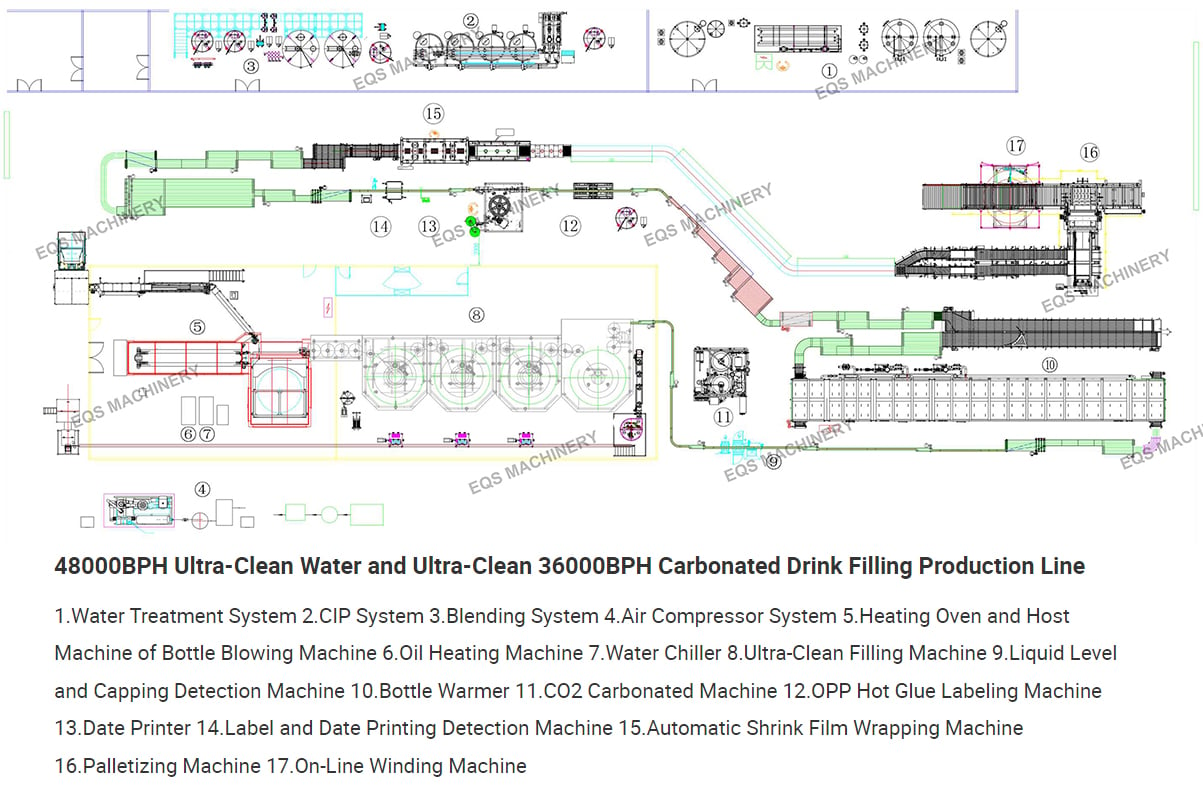
I always pay attention to the process order because each step protects the next one. If the bottle is not clean, the filling result may not meet hygiene needs. If the cap is weak, the product may leak. If the label step is unstable, the package may look unprofessional. A full beverage filling line works well only when each machine fits the next one. That is why line design is so important. I do not think a buyer should only ask for one machine price. I think the buyer should ask how the whole line works together. A good supplier can help with that. A good line also reduces manual handling. That means fewer mistakes, lower labor cost, and better output stability. For a factory that wants growth, this is a big advantage.
A complete line usually includes several core units. Each unit has a clear job.
This system moves bottles between each machine. It keeps the flow steady and reduces manual work.
This machine is the heart of many beverage lines now. It combines bottle rinsing, filling, and capping in one unit. This is the normal choice for many buyers today because it saves space and keeps the line simple.
This machine adds labels to the bottle body, neck, or top area based on the package design.
This unit packs the finished bottles. It can be a film shrink packer or a carton packer.
This unit helps stack the final packs. It makes warehouse work and shipment easier.
| Main Unit | Function | Typical Result |
|---|---|---|
| Conveyor | Transport bottles | Smooth line flow |
| Three-in-one machine | Rinse, fill, and cap | Higher efficiency |
| Labeler | Add branding | Better shelf appeal |
| Packaging machine | Group bottles | Easier logistics |
| Palletizer | Stack finished packs | Faster warehouse handling |
I can design a complete line for many liquid products. But I must choose the right filling method for each one.
Water lines are usually simpler. They focus on speed, hygiene, and low cost.
These drinks may need hot filling, aseptic filling, or other special methods depending on the product formula.
Soda and sparkling water need pressure control. They often use isobaric filling to keep CO2 in the drink.
Beer lines usually need careful control of foam and hygiene, so the filling method must match the process.
Milk drinks usually need stronger hygiene control and sometimes special sterilization solutions.
Oil is different from water or juice. It needs a filling system that handles viscosity and product flow properly.
| Product Type | Main Need | Typical Line Feature |
|---|---|---|
| Water | High speed | Simple rinsing and filling |
| Juice | Product safety | Heat or aseptic support |
| Energy drink | Stable filling | Bottle and cap matching |
| Carbonated drinks | CO2 control | Pressure-balanced filling |
| Beer | Foam control | Careful filling design |
| Milk drinks | Hygiene | Strong sterilization system |
| Edible oil | Flow control | Suitable liquid dosing |
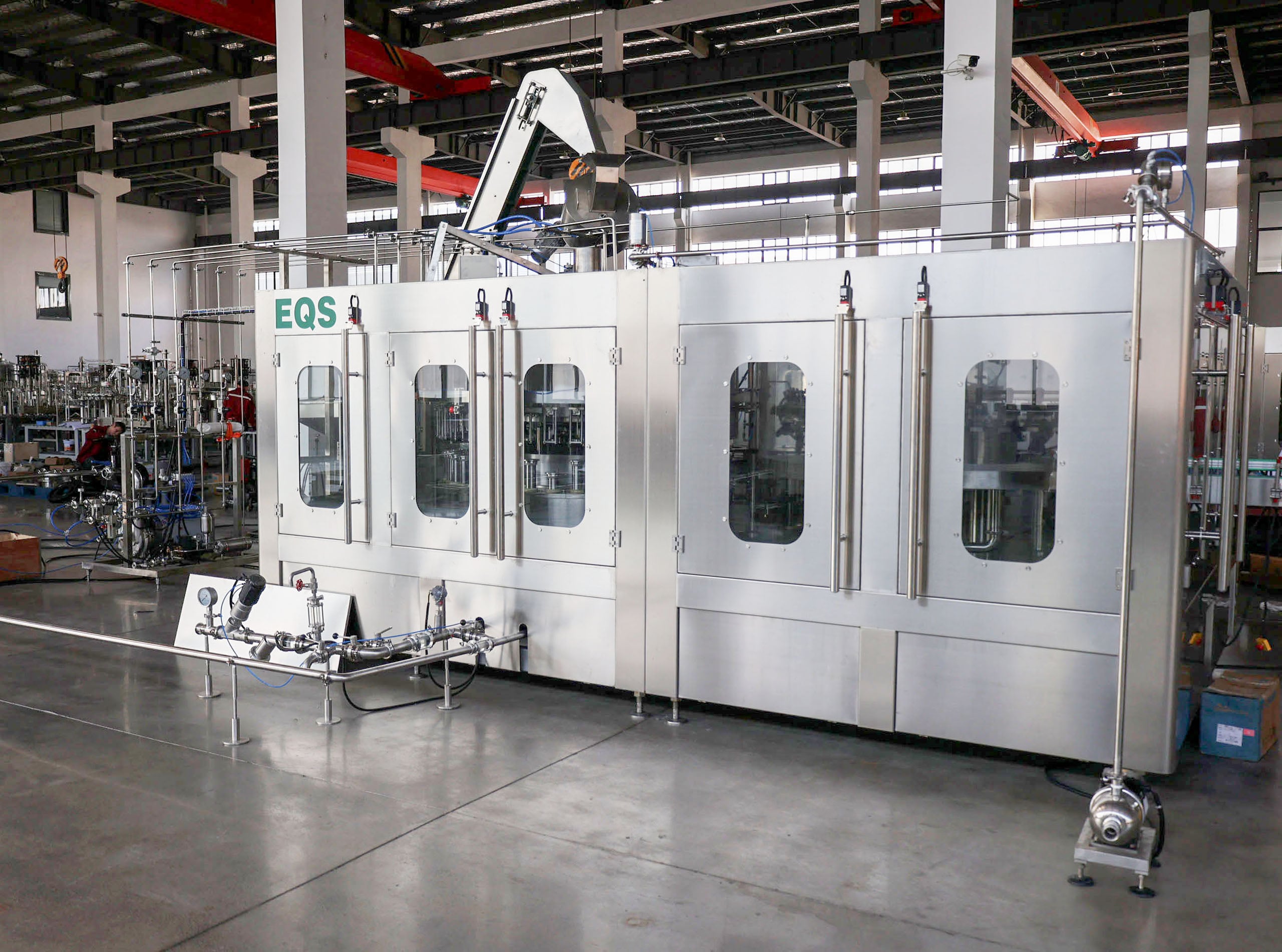
I always tell buyers that the product defines the line. A line for still water may look very different from a line for sparkling drink. Carbonated drinks need pressure control. Juice may need hot fill or aseptic protection. Beer needs foam control and often more stable filling behavior. Milk drinks need better hygiene. Oil needs a different pump and filling method. If I ignore product type, I may choose the wrong machine and waste money later. This is why I ask many questions before I build a quotation. I want to know the formula, bottle type, cap type, shelf life target, and the market standard. A complete line is not a fixed package. It is a solution that should match the product. That is the best way to protect quality and reduce future trouble.
When I help a client choose a complete beverage filling line, I do not start with price only. I start with the business conditions.
Different drinks need different filling methods, hygiene levels, and machine settings.
Bottle design affects the conveyor, filling head, labeling position, and packaging style.
A small plant and a large factory do not need the same level of automation.
The line must fit the real factory space. If the layout is poor, the line will not run smoothly.
Some drinks need very high cleanliness. That changes the design of the rinsing and filling sections.
| Selection Factor | What I Check | Effect on the Line |
|---|---|---|
| Product type | Water, juice, soda, beer, milk, oil | Filling method choice |
| Bottle type | Shape, size, material | Machine compatibility |
| Capacity | Bottles per hour | Line speed and budget |
| Layout | Space and direction | Equipment arrangement |
| Hygiene | Clean production demand | Process and sanitation level |
I often see buyers ask only for one filling machine. That can work in some cases, but not always.
The buyer already has other machines and only needs one replacement or one upgrade.
The buyer wants a new factory, a new product launch, or a more stable full production system.
A complete line gives me better matching between machines. It also saves time in engineering and installation because one supplier can manage the full workflow.
| Option | Best For | Main Benefit |
|---|---|---|
| Single machine | Replacement or upgrade | Lower starting cost |
| Complete line | New project or expansion | Better system matching |
I think many buyers save money at the start by buying one machine only. But later, they spend more on integration, debugging, and line balance. A full line can reduce that risk. It also gives the buyer one project contact, one design plan, and one service path. That makes the project easier to manage. For overseas buyers, this is even more helpful because long-distance coordination can be hard. If the supplier can design the whole line, the buyer gets less trouble in installation and future support. I see this as a practical choice, not only a technical one. A complete line is often the smarter long-term investment.
My name is Allen, and I'm an expert in filling machine technology at EQS, a leading liquid packaging solution provider based in China. If you're looking for top-quality equipment for your production line, feel free to reach out to me at [email protected]. We specialize in providing customizable solutions with cutting-edge technology.
Copyright © JIANGSU EQS MACHINERY CO.,LTD