 EN
EN


When I work with carbonated drinks, I know one rule matters most. If the pressure is wrong, the drink loses gas, foams too much, and the bottle loses quality.
Isobaric filling, also called counter-pressure filling, is the standard filling method for carbonated beverages. I use it to keep pressure equal in the tank and the bottle, so CO2 stays in the liquid and the drink fills smoothly.
I think this topic is important because carbonation is sensitive. A soda, sparkling water, beer, sparkling wine, or kombucha can lose its value very fast if the filling step is unstable. I want the drink to stay bright, fresh, and full of gas after bottling.
I see isobaric filling as a simple idea with a very smart result. The machine balances pressure before the liquid enters the bottle.
The system first brings the bottle pressure close to the tank pressure. This helps the drink move without sudden gas release.
The liquid flows into the bottle while pressure stays balanced. This keeps the dissolved CO2 inside the drink instead of letting it escape.
I use this method because it reduces violent foaming. A calm fill gives me a cleaner neck, less waste, and a better final look.
Carbonated drinks need stable gas content. If the pressure drops too fast, the product can lose taste, mouthfeel, and shelf appeal.
| Step | What I Want | Result |
|---|---|---|
| Pressure equalization | Same pressure in tank and bottle | Less gas loss |
| Filling stage | Smooth liquid flow | Less foam |
| Pressure control | Stable filling environment | Better bottle quality |
| Final release | Safe pressure drop | Cleaner finish |
I do not use isobaric filling for every product. I use it because carbonated drinks need a special filling condition.
Carbon dioxide is part of the product. If I let the pressure drop, the gas escapes and the drink becomes flat.
A stable pressure system helps me fill to a more consistent level. That improves packaging quality and line control.
Too much foam means lost product and more cleaning. I want the line to use every liter well.
I can use this method for soda, sparkling water, beer, sparkling wine, and kombucha. Each product has its own sensitivity, but the same pressure idea still helps.
| Carbonated Product | Main Risk During Filling | Isobaric Benefit |
|---|---|---|
| Soda | Foaming and gas loss | Stable CO2 retention |
| Sparkling water | Flat taste | Better carbonation hold |
| Beer | Foam overflow | Cleaner filling |
| Sparkling wine | Bubble loss | Better product feel |
I always remind buyers that carbonated filling is not only about speed. It is also about control. A fast filler that does not control pressure can damage the drink. A slightly slower filler with good pressure control can give much better final quality. I also think bottle design matters. Narrow neck bottles, light bottles, and some special shapes can react badly if the filling system is weak. Isobaric filling helps me reduce that problem because the bottle does not face a sudden pressure shock. I also like it because it gives a more professional result on the shelf. The drink looks cleaner, the foam level is lower, and the customer sees a better package. For a brand, that visual result is very important.
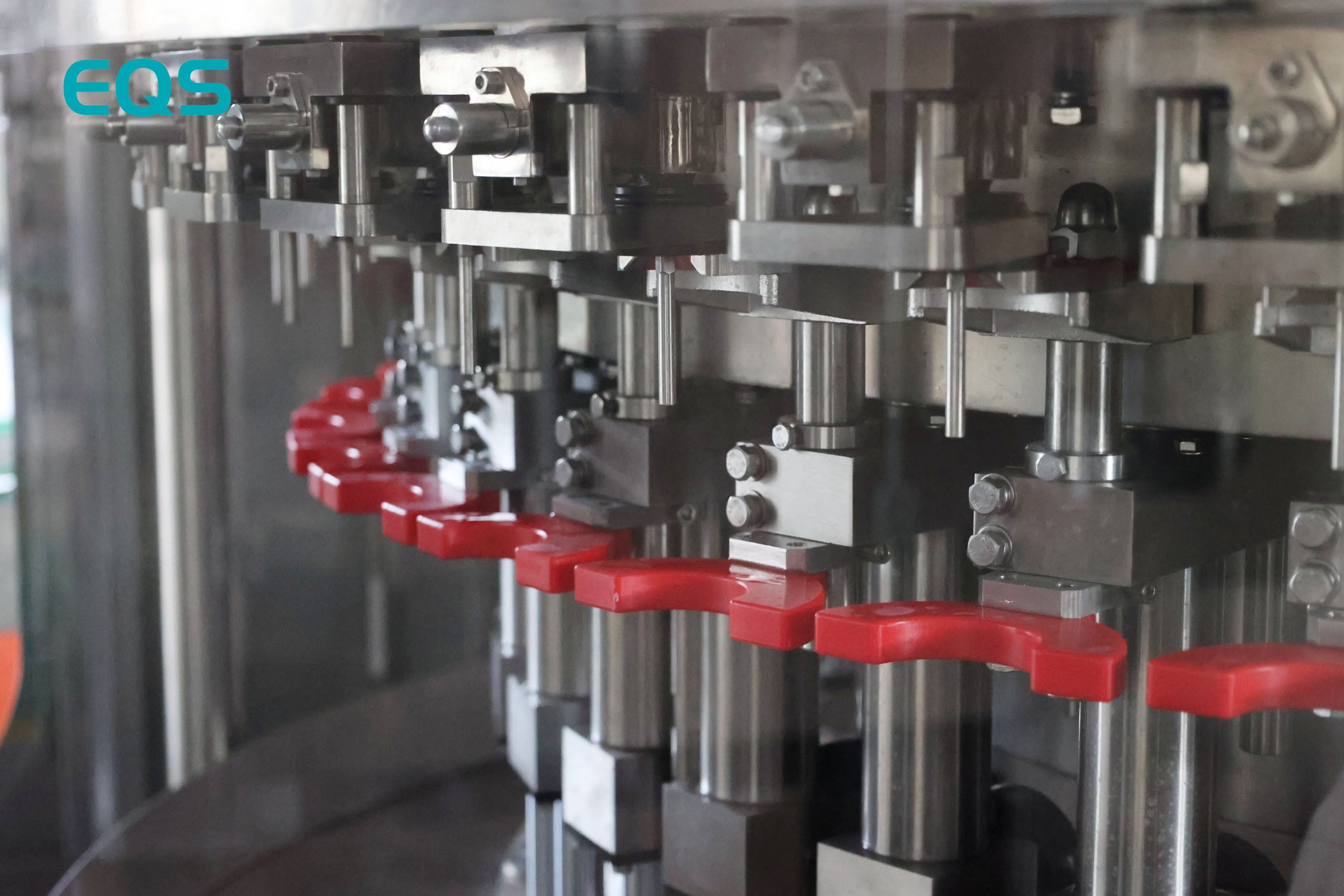
I look at the system as a group of parts that work together. Each part has a clear job.
The tank stores the carbonated beverage under controlled pressure. This is where the product stays stable before filling.
The valves guide the liquid into the bottle. They must work smoothly and keep the pressure balance.
The gas system helps equalize pressure before filling and release it safely after filling.
The machine must move bottles into position with care. Good bottle handling helps prevent spills and damage.
| Part | Main Function | Why I Care |
|---|---|---|
| Pressure tank | Holds product under pressure | Keeps carbonation stable |
| Filling valve | Controls liquid flow | Reduces foam |
| Gas control system | Balances pressure | Protects CO2 |
| Bottle handling unit | Positions bottles | Improves line stability |

I choose isobaric filling when the product is carbonated. I do not treat it like a general filling method.
If the product contains dissolved CO2, I need pressure control. That includes soda, sparkling water, beer, sparkling wine, and kombucha.
If the brand cares about taste, foam control, and bottle appearance, this method gives a better result.
A stable filling system helps me keep the production line more predictable. That matters in larger plants and export-focused businesses.
If foaming causes waste, I want a system that protects product yield.
| Situation | Isobaric Filling Fit |
|---|---|
| Carbonated drink production | Strong fit |
| Flat beverage production | Not needed |
| High quality packaging demand | Strong fit |
| Sensitive carbonation level | Strong fit |
I think it is important to say this clearly. Isobaric filling is built for carbonated beverages. It is not the best fit for still water, juice, oil, or other non-carbonated products. Those drinks do not need the same pressure control. If I use a carbonated filling method on a non-carbonated product, I may add cost and complexity without any real benefit. So I always match the filling system to the drink type first. I also think buyers should ask about their future product plan. If they may launch sparkling drinks later, then choosing an isobaric system early can save time and new investment later. This is why I treat filling technology as a business decision, not only a machine decision. The right choice supports quality, output, and future growth.
I like isobaric filling because it solves problems that can hurt carbonated production very fast.
Foam overflow wastes product and creates a messy line. Pressure balance helps me avoid that.
The drink keeps more gas inside, so the taste and mouthfeel stay closer to the target.
A controlled fill helps me keep the product cleaner and more stable.
A better fill gives me a cleaner bottle neck and a more professional final look.
| Common Problem | What Causes It | Isobaric Result |
|---|---|---|
| Too much foam | Sudden pressure drop | Controlled filling |
| Flat product | CO2 escape | Better gas retention |
| Product waste | Overflow | Less waste |
| Poor bottle appearance | Unstable filling | Cleaner finish |
I use isobaric filling for carbonated drinks because it keeps pressure stable, protects CO2, reduces foam, and helps me bottling quality stay consistent.
Copyright © JIANGSU EQS MACHINERY CO.,LTD