 EN
EN


I have seen many buyers choose a filling line too fast. That often leads to waste, low output, or a line that cannot handle the product.
A good liquid filling line design must balance capacity, product type, hygiene, cost, and future growth, because different liquids need different equipment and process control.
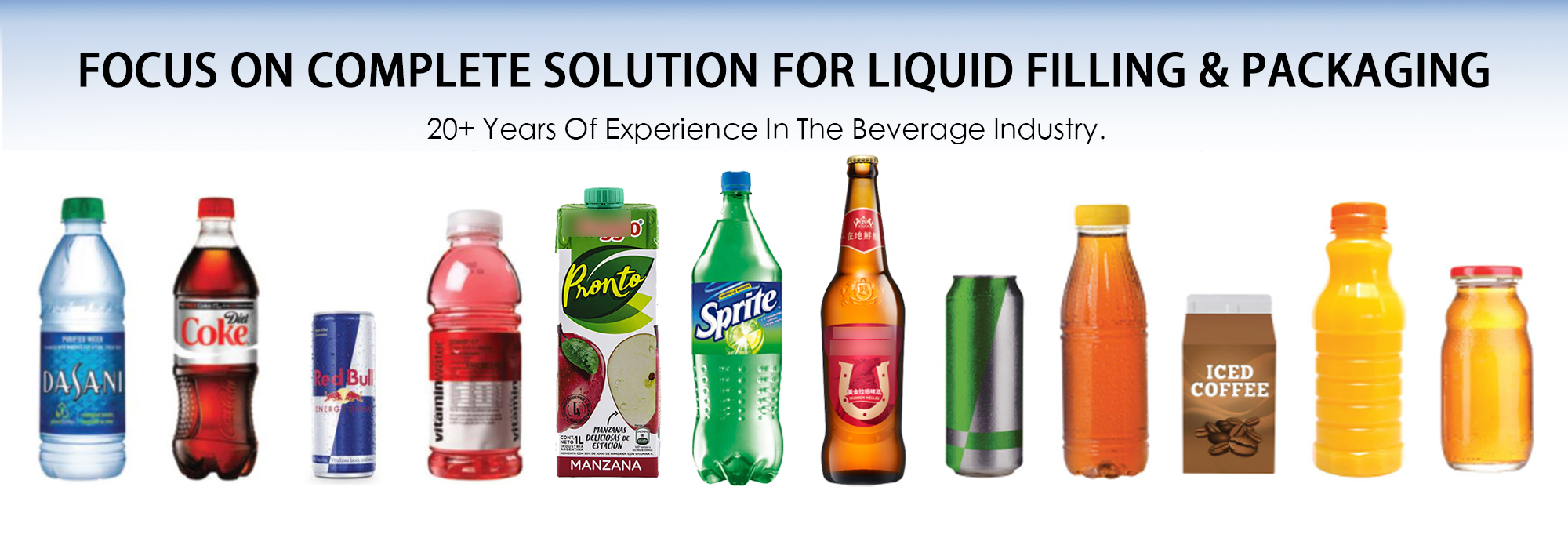
I always remind customers that water, juice, carbonated drinks, edible oil, pharmaceuticals, and household chemicals all behave differently. One line design cannot fit every product. That is why careful planning matters from the start.
I start with the product, because the product decides many technical choices.
Some liquids flow easily. Some are thick. Some foam.
Some products need strict hygiene. Some need pressure control.
Bottle size and container type also shape the line.
| Product Type | Main Feature | Design Impact |
|---|---|---|
| Bottled water | Low viscosity | Simple filling control |
| Juice | May contain pulp | Anti-foam and sanitary design |
| Carbonated drink | Gas pressure | Pressure filling system |
| Edible oil | Thick flow | Accurate volume control |
| Pharmaceuticals | High hygiene need | Strict clean process |
| Household chemicals | Corrosive risk | Special material choice |
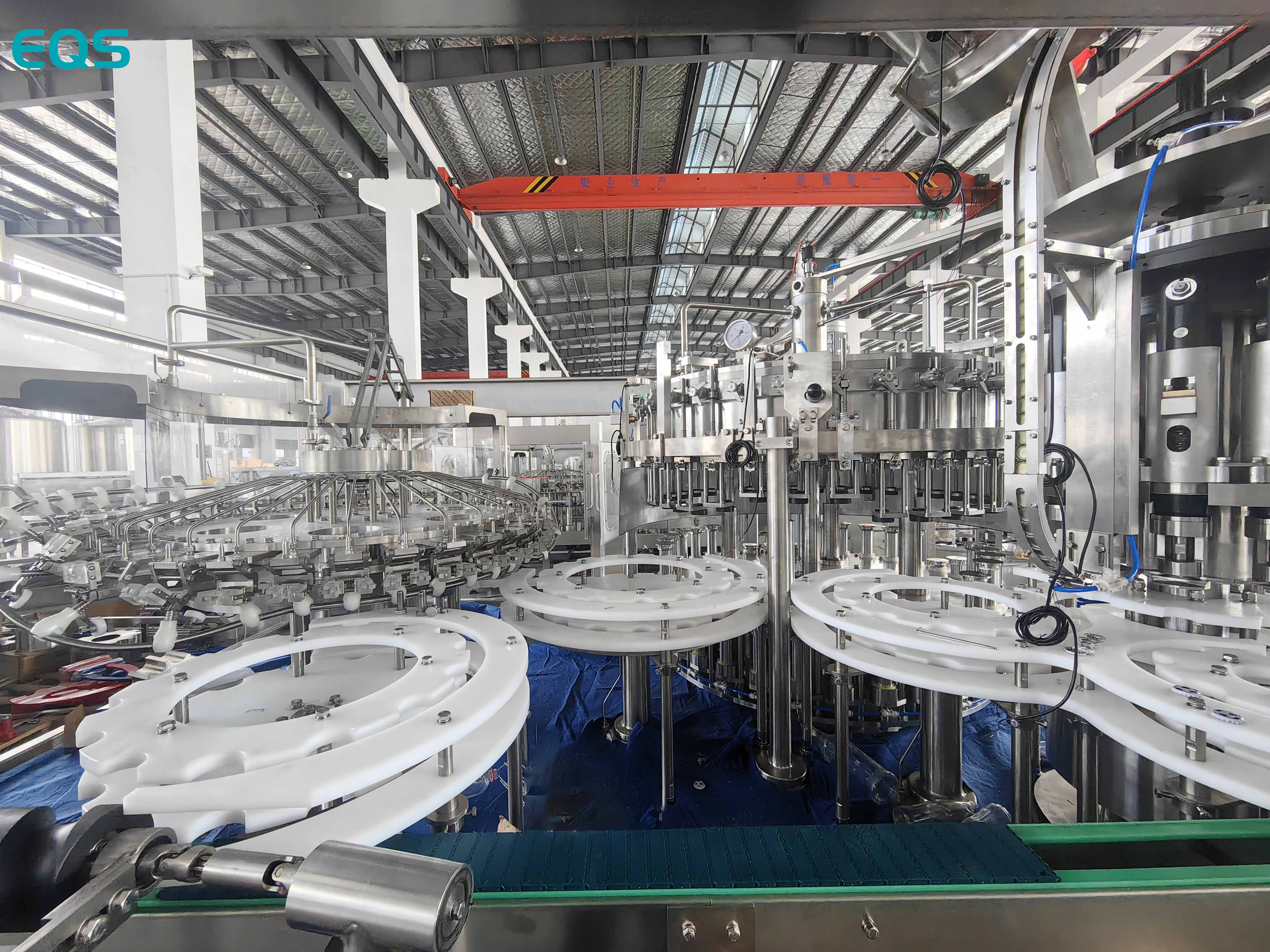
I never choose capacity based only on a guess. I always ask what the factory really needs now and later.
The line should support today’s sales.
The customer may expand in one or two years.
Too much capacity can raise cost and waste space.
| Capacity Level | Best For | Risk |
|---|---|---|
| Low capacity | Small factories | Limited growth room |
| Medium capacity | Growing brands | Needs careful upgrade planning |
| High capacity | Large plants | Higher investment |
I think hygiene is one of the most important parts of liquid filling line design. If hygiene is weak, product quality will suffer.
This helps reduce contamination.
The contact parts must support safe production.
A line that is hard to clean is hard to trust.
| Hygiene Factor | Design Choice | Result |
|---|---|---|
| Product contact surface | Sanitary stainless steel | Safer production |
| Cleaning process | Easy access | Faster cleaning |
| Area separation | Clear zoning | Lower contamination risk |
I always say that the liquid itself decides the machine logic.
Thick liquids need different filling methods.
Carbonated drinks need pressure stability.
Chemical products may need special materials.
| Product Characteristic | Example | Equipment Need |
|---|---|---|
| Low viscosity | Water | Fast standard filler |
| High viscosity | Oil | Accurate volume filler |
| Carbonation | Soda | Pressure filling system |
| Sensitive formula | Juice or pharma | Gentle sanitary handling |
| Corrosive nature | Chemicals | Anti-corrosion parts |
I know many buyers care about price. I do too. But I always look at total operating cost, not only machine price.
A smarter line needs fewer workers.
Stable equipment saves time.
Good design can lower power use.
| Cost Area | Poor Design | Better Design |
|---|---|---|
| Labor | More manual work | More automation |
| Downtime | Frequent stops | Stable operation |
| Energy | Higher use | Better efficiency |
| Maintenance | Hard repairs | Easier service |
I think scalability protects the buyer’s future. A line should not become useless after the first growth stage.
The plant should have space for more machines.
Parts can be added later.
Water, air, and power must support future growth.
| Scalability Factor | Planning Point | Benefit |
|---|---|---|
| Space reserve | Keep room for expansion | Easier growth |
| Modular setup | Add units later | Lower upgrade cost |
| Utilities | Plan for more load | Stable future operation |
I always adjust the line to the industry, not the other way around.
These lines need speed and hygiene.
These lines need more control and compliance.
These lines need safety and material resistance.
| Industry | Main Focus | Key Design Rule |
|---|---|---|
| Beverage | Speed and hygiene | Sanitary filling |
| Pharmaceuticals | Compliance | High precision and cleanability |
| Chemicals | Safety | Corrosion resistance |
| Edible oil | Accuracy | Stable volume control |
I think every buyer should ask a few simple questions before making a decision.
The line must fit the liquid.
Capacity must match the plan.
The line should support growth.
| Question | Why It Matters | What I Learn |
|---|---|---|
| What is the product? | It drives machine choice | Filling method |
| What is the target output? | It sets capacity | Line size |
| What is the future plan? | It affects scalability | Upgrade path |
I help customers turn a product idea into a real working line. That means I do more than sell machines.
I need to understand the liquid.
I connect filling, capping, packing, and layout.
I help customers avoid short-sighted choices.
| EQS Service | What I Provide | Customer Value |
|---|---|---|
| Process review | Product-based analysis | Better machine fit |
| Line integration | Full system planning | Smoother operation |
| Plant planning | Space and flow design | Better factory use |
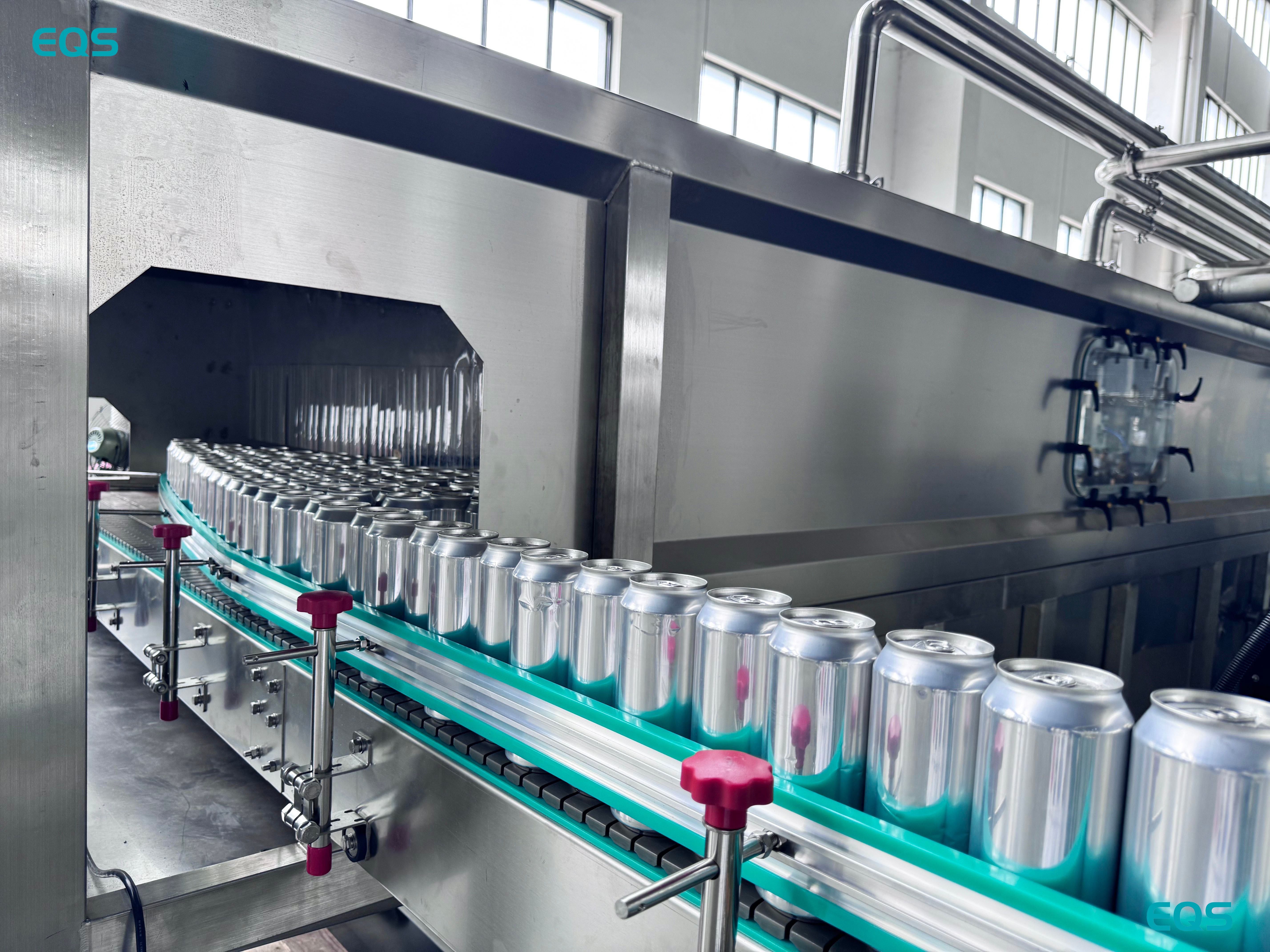
I believe a good filling line is not just fast. It is also stable, clean, cost-aware, and ready for growth.
Simple design is easier to run.
Flexible design can handle change.
That is how I build lasting value.
| Good Design Goal | What It Means | Why It Matters |
|---|---|---|
| Simplicity | Easy to operate | Lower risk |
| Flexibility | Adapt to more products | More business options |
| Future readiness | Allow expansion | Longer service life |
A liquid filling line should match the product, the capacity, the hygiene need, and the future plan. I help customers build lines that work well today and stay useful tomorrow.
Copyright © JIANGSU EQS MACHINERY CO.,LTD