 EN
EN


I have seen many breweries grow faster than their old equipment can handle. That growth can look like a good problem, but it often becomes a real bottleneck.
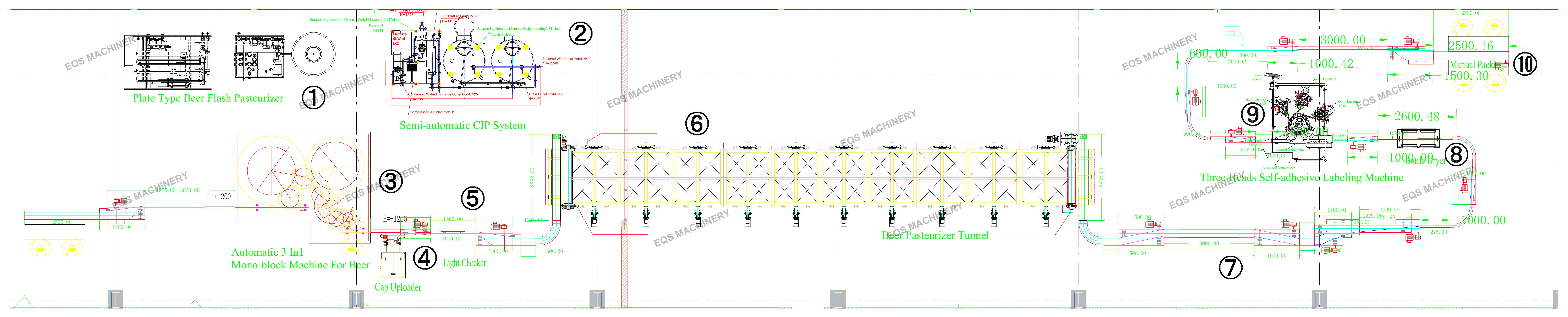
EQS helped a craft brewery solve low output, poor beer quality, and an outdated factory layout by planning a full new line and a better plant design.
I know many buyers think a small brewery can keep using old machines for a few more years. In reality, rising demand can expose weak capacity very fast. That is what happened in this case.
I worked from the start with one clear fact: the customer’s old line could no longer support the market.
The previous line was too small for current demand.
The beer taste was no longer stable.
The local market expected better product consistency.
| Problem Area | Old Situation | Business Effect |
|---|---|---|
| Output | Too low | Missed sales opportunities |
| Product quality | Outdated process | Bad taste consistency |
| Market response | Consumer complaints | Lower brand trust |
| Factory setup | Poor layout | Low efficiency |
I always look beyond the machine itself. A bottleneck often comes from the full system, not only one part.
The line could not support modern production needs.
Tourism created stronger local beer sales.
Material flow and operation space were not well arranged.
| Cause | Result | Why It Hurt Production |
|---|---|---|
| Aging equipment | Slow output | Could not meet demand |
| Strong market growth | Higher orders | Old line became insufficient |
| Poor layout | Inefficient flow | More time and labor needed |
I started by treating the brewery as a full project, not only an equipment purchase. That was important.
The customer needed more than a filler.
The space had to support the new process.
The new design had to leave room for expansion.
| Planning Area | EQS Action | Benefit to Customer |
|---|---|---|
| Production line | Full line design | Stable operation |
| Layout | Factory planning | Better flow |
| Capacity | Output matching | Less bottleneck |
| Expansion | Future-ready space | Long-term value |
I always select brewery equipment based on product type, output target, and packaging format.
The new filler had to improve speed and consistency.
The line also needed washing, sealing, and handling support.
The final product had to move fast and safely.
| Equipment Group | Main Role | Importance |
|---|---|---|
| Filling system | Fill beer accurately | Very high |
| Capping or sealing | Protect product quality | Very high |
| Conveying system | Move containers smoothly | High |
| Packaging system | Prepare shipment | High |
I believe layout is often ignored, but it changes daily performance.
Each area had a clear function.
Raw materials and finished goods could move with less conflict.
Workers spent less time carrying materials by hand.
| Layout Change | Before | After |
|---|---|---|
| Work flow | Mixed and slow | Clear and direct |
| Material handling | More manual movement | More automated movement |
| Space use | Uneven | Better organized |
| Production rhythm | Interrupted | More stable |
I told the customer that output alone was not enough. If the beer still failed to meet taste standards, the brand would still suffer.
The new line needed better control.
Good filling helps protect the final product.
Better beer quality supports repeat sales.
| Quality Factor | Old Result | New Goal |
|---|---|---|
| Taste stability | Inconsistent | More stable |
| Filling performance | Weak | More accurate |
| Consumer response | Complaints | Better acceptance |
I believe a real B2B supplier should do more than ship equipment. In this project, I helped the customer through the full process.
I worked on the overall design idea.
I matched the equipment to the real demand.
I helped keep the whole plan practical and realistic.
| EQS Service | Description | Customer Value |
|---|---|---|
| Plant planning | Full factory arrangement | Better use of space |
| Equipment integration | Line matching | Less mismatch risk |
| Technical support | Project guidance | Faster progress |
I think this case gives a clear lesson to other buyers. Growth brings chance, but it also brings pressure.
Old equipment can block new sales.
One machine cannot solve a system problem.
More production must still mean good product.
| Lesson | Meaning | Practical Action |
|---|---|---|
| Upgrade early | Do not miss demand | Review capacity often |
| Think system-wide | Line and layout both matter | Plan the whole factory |
| Keep quality stable | Brand comes first | Check product performance |
If I face the same type of case again, I would follow the same logic.
I need to know how fast the market is growing.
I cannot solve a problem I do not measure.
A good project should support the next stage of growth.
| Step | My Action | Why It Matters |
|---|---|---|
| Demand review | Study real sales trend | Avoid wrong capacity |
| Line review | Inspect old machine limits | Identify weak points |
| New design | Build a future-ready plan | Support long-term growth |
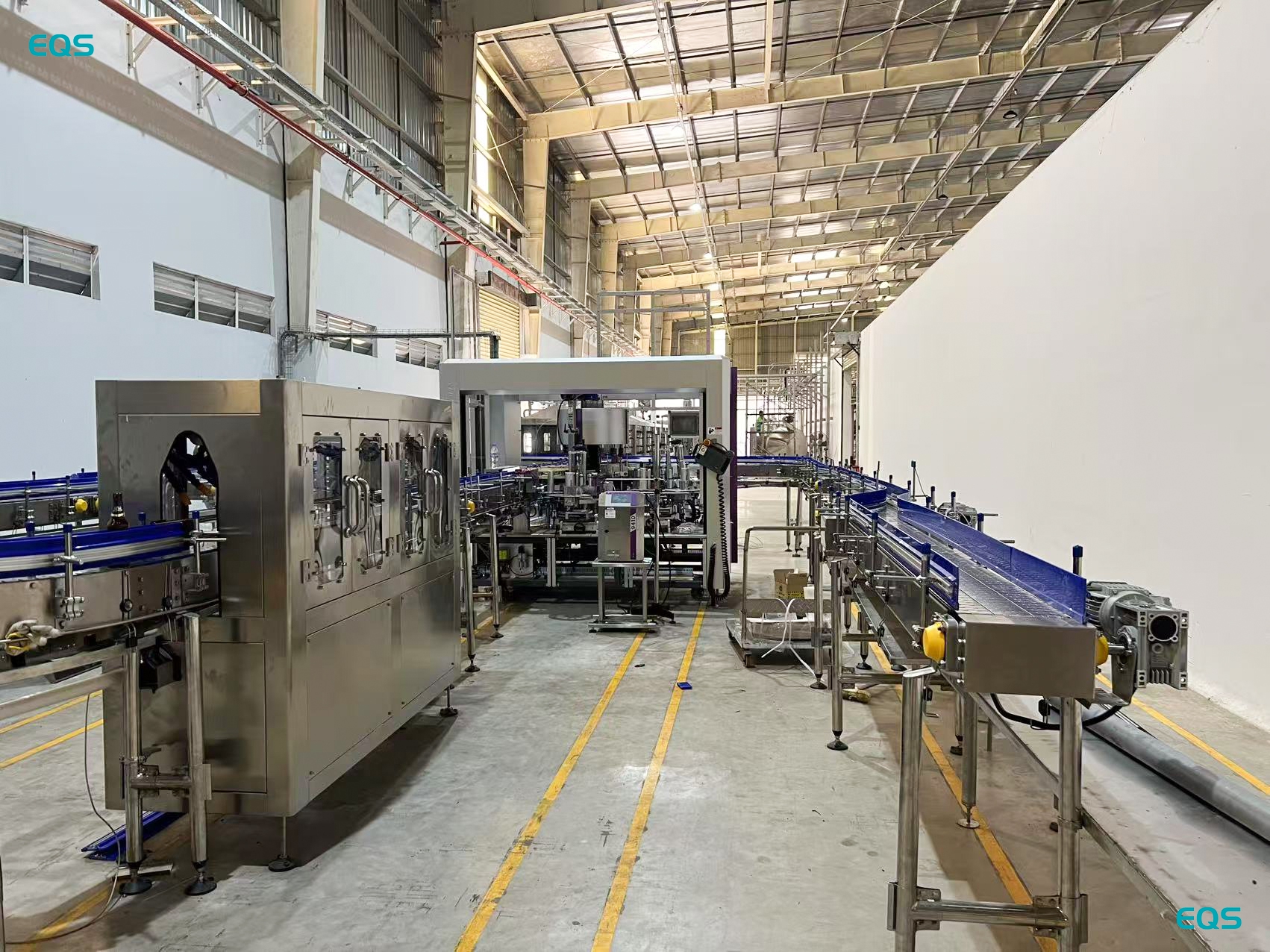
EQS helped the brewery turn a weak, outdated line into a better planned production system. I always believe that good output starts with good planning, not only with new machines.
Copyright © JIANGSU EQS MACHINERY CO.,LTD