 EN
EN


When beverage demand rises fast, a normal line can become the bottleneck. I have seen factories lose orders because they simply cannot fill bottles quickly enough.
Ultra-high speed rotary filling machines are used when a beverage factory needs very large output, stable performance, and low unit cost at speeds above 600 bottles per minute.
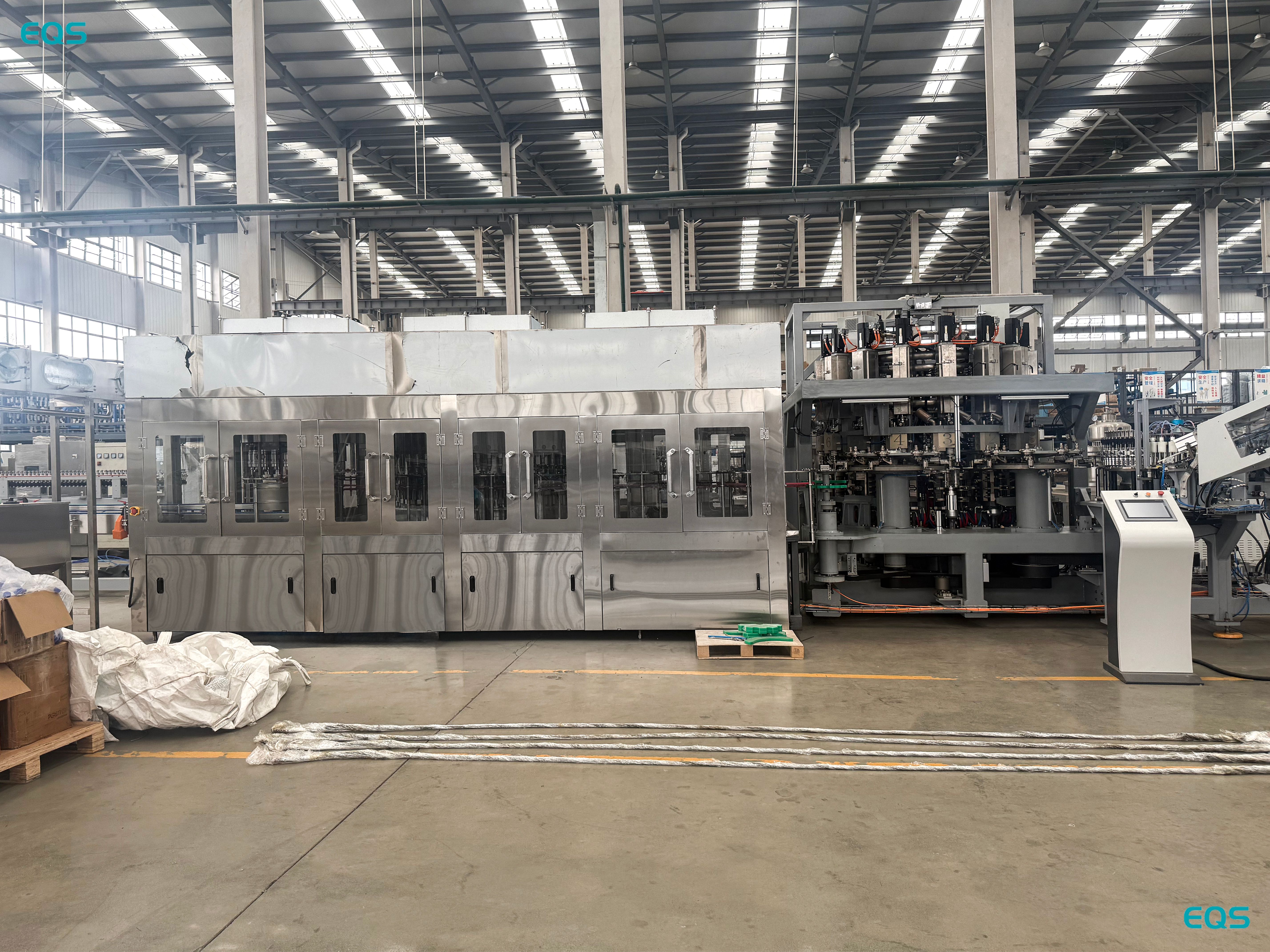
I usually tell buyers that speed is not only about making more bottles. It is also about keeping the whole plant balanced. If one machine is too slow, the line stops waiting. If the filling machine is too weak, the whole business loses time, labor, and money. That is why this type of machine matters so much in large beverage production.
A rotary filling machine uses a rotating structure to move bottles through rinsing, filling, and capping steps in a fast and steady flow. The machine can handle a very large number of bottles in a short time.
An ultra-high speed rotary filling machine is a high-output beverage filling system that runs at 600 BPM or more and supports continuous, stable, and efficient bottle production.
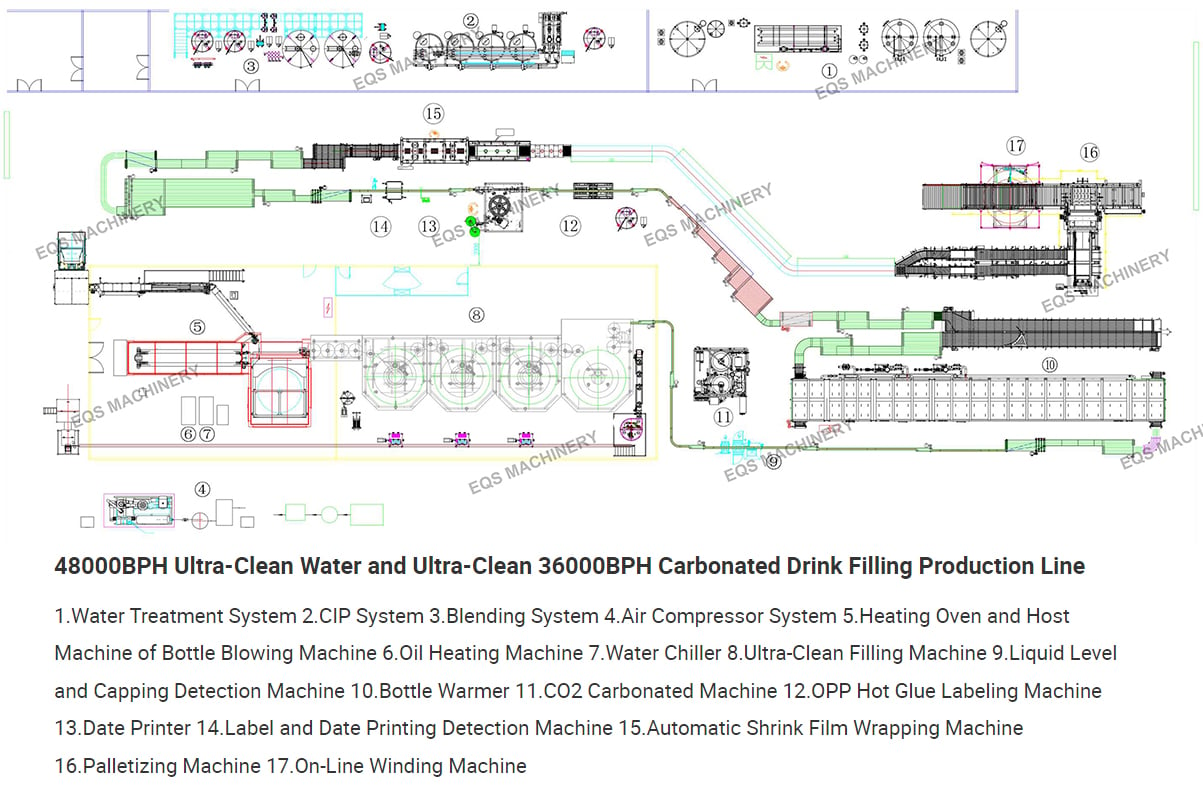
The bottles move in a circular path. The machine keeps each bottle in a fixed position during the fill cycle. This helps the process stay stable even at very high speed.
A strong design is important here. The machine must keep the filling accurate. It must also avoid bottle damage and limit product loss. At this speed, small problems can become big problems very quickly.
| Feature | Rotary machine | Linear machine |
|---|---|---|
| Speed potential | Very high | Medium |
| Space use | Better at large scale | Often longer |
| Output stability | High | Good at lower speeds |
| Best use case | Mass production | Small to medium production |
Not every beverage factory needs this kind of machine. Many plants can work well with lower speeds. But for some producers, high speed is not a luxury. It is a business requirement.
Factories with large daily output, strong market demand, and high line efficiency goals are the best fit for 600+ BPM rotary filling machines.
| Buyer type | Fit level | Why |
|---|---|---|
| Large beverage factory | Very high | Needs mass output |
| National brand producer | Very high | Needs stable supply |
| Contract packer | High | Needs fast turnover |
| Export-focused plant | High | Needs strong efficiency |
| Small startup | Low | Output may not justify the system |
High-speed rotary filling machines are often used for:
・bottled water
・carbonated soft drinks
・tea drinks
・juice drinks
・sports drinks
・functional beverages
Some product types need special filling control. Carbonated drinks, for example, need pressure stability. Sensitive drinks may need better hygiene or aseptic options. So I always check the beverage type before I suggest a machine.
The first reason is usually demand. When sales go up, the plant must follow. If the factory cannot keep up, the market opportunity is lost. The second reason is cost. High-speed lines often reduce the cost per bottle because more units are produced with the same plant resource.
Factories upgrade to 600+ BPM machines to increase output, lower unit cost, and support large-scale beverage production with fewer bottlenecks.
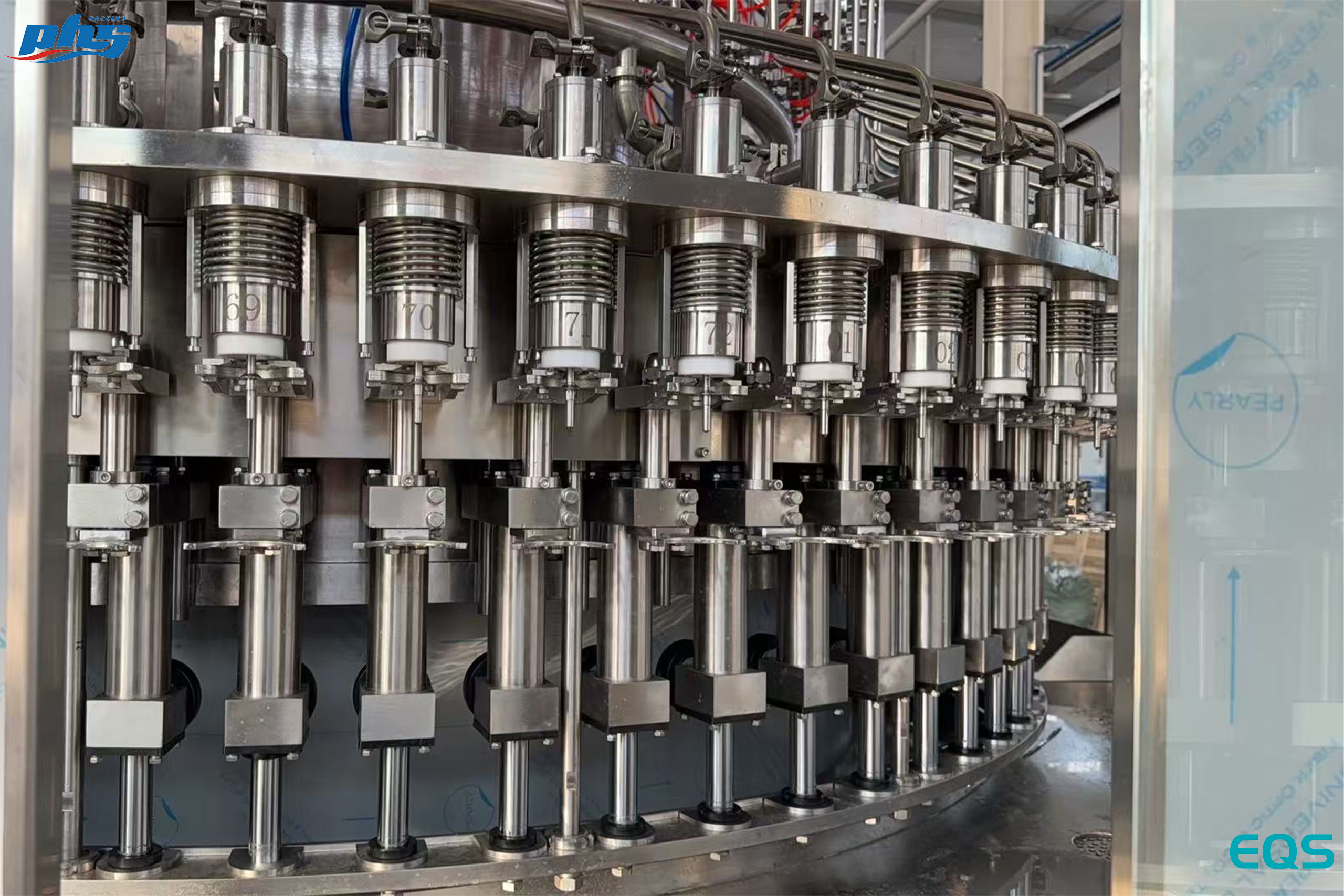
1.Market growth The brand needs more bottles every day.
2.Lower labor cost A faster line can do more with fewer operators.
3.Better line balance The whole plant works more smoothly when filling speed matches upstream and downstream equipment.
4.Space and efficiency A high-output rotary machine can replace several slower systems.
I always remind buyers that speed alone is not enough. A machine must stay accurate, stable, and easy to maintain. If the line runs fast but stops often, the factory loses more than it gains.
A 600+ BPM machine is a serious investment. I would never tell a client to buy it only because the speed number looks impressive. I first check the whole production plan.
Before buying an ultra-high speed rotary filling machine, you should check your bottle type, beverage type, plant layout, utility support, and long-term production target.
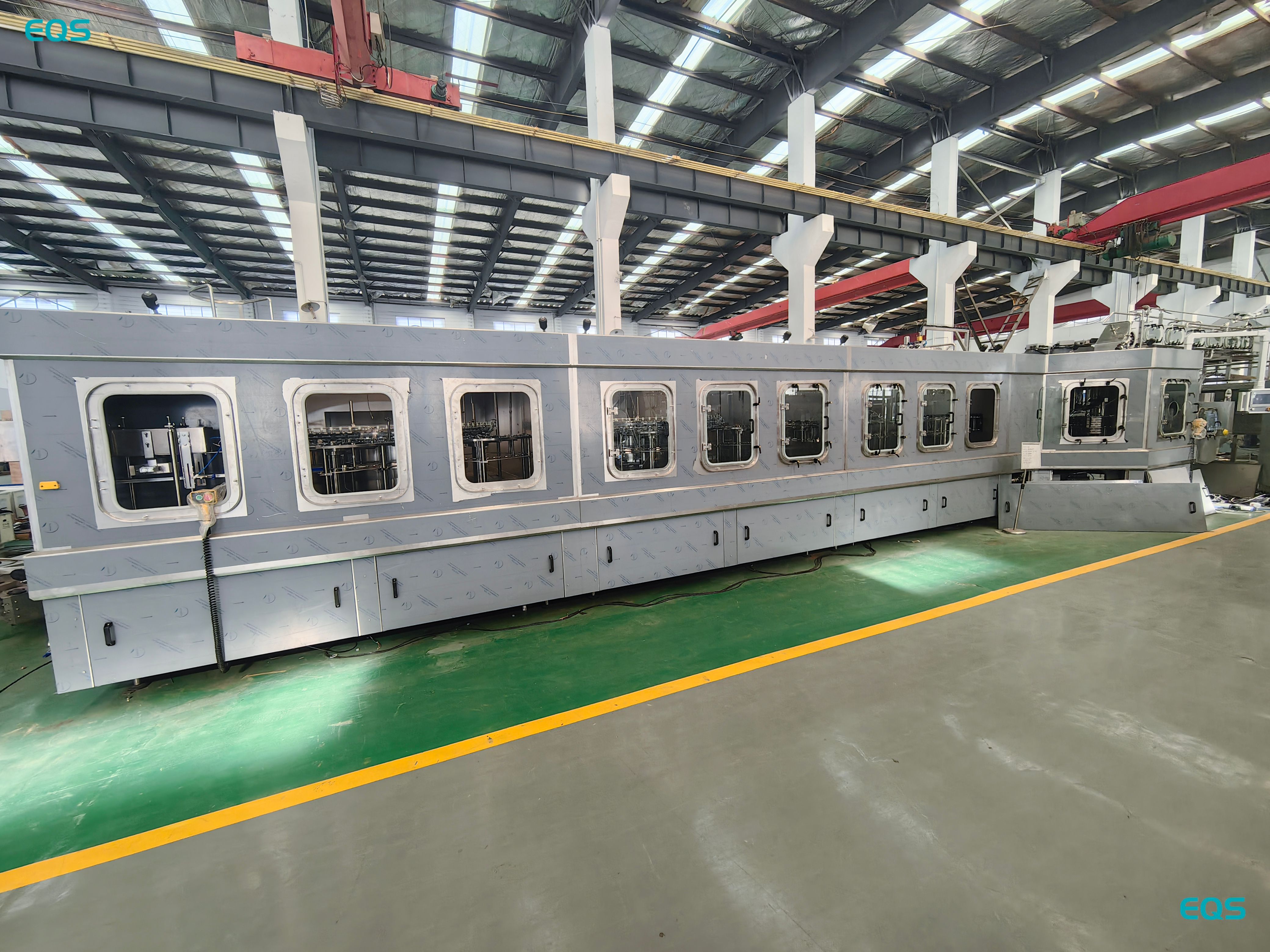
| Check item | Why it matters |
|---|---|
| Bottle shape and size | The machine must fit the container |
| Product viscosity | Filling method must match the liquid |
| Cap type | Capping must stay stable at high speed |
| Plant space | The line layout must support the machine |
| Air and power supply | High speed needs strong utility support |
| Operator skill | The team must handle the line correctly |
If a customer only has medium output, I usually do not push them into ultra-high speed. I prefer a solution that fits today and still supports tomorrow. But if the plant already has strong demand and a clear growth plan, then this machine can be a very smart move.
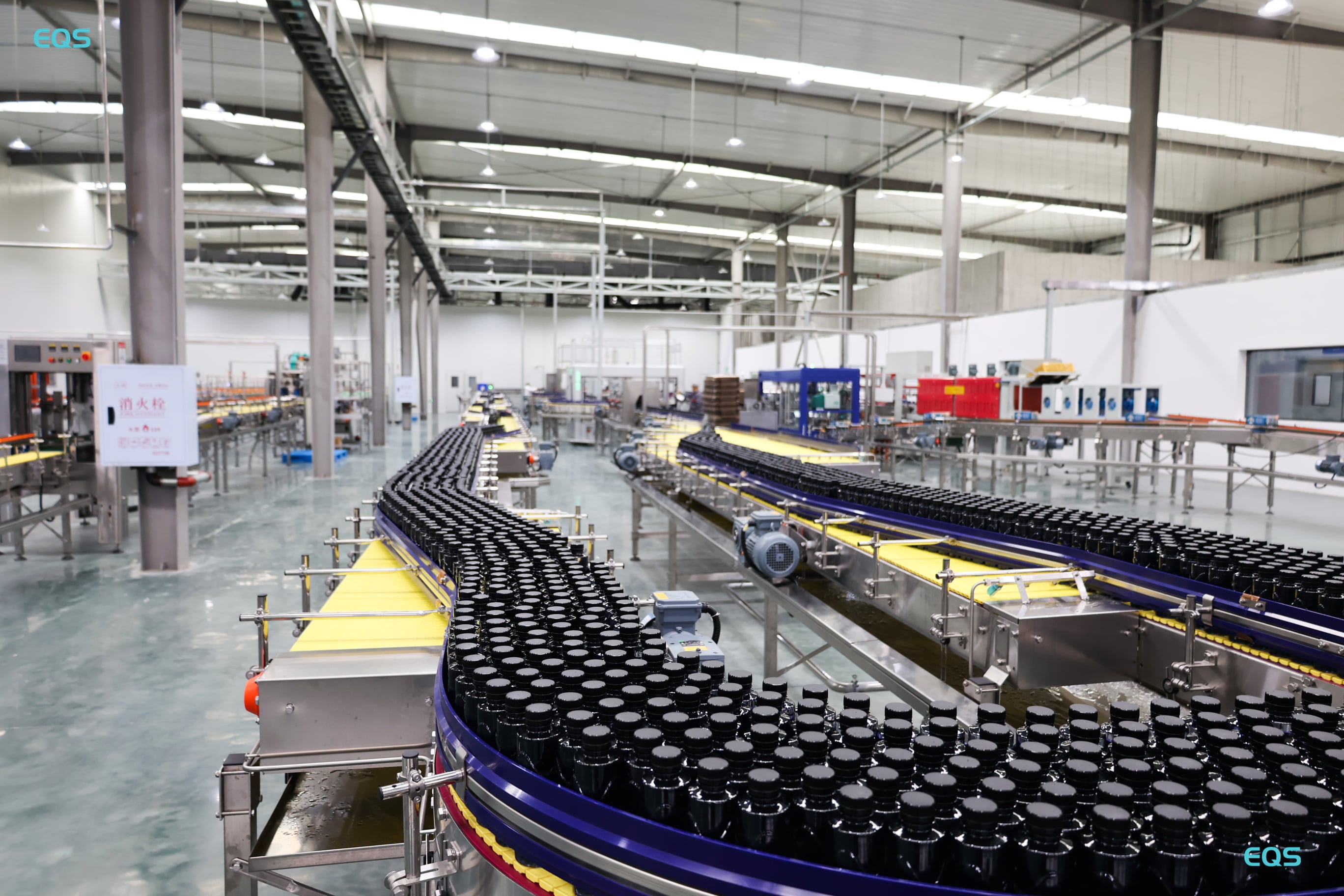
Many buyers think fast production always means lower quality. That is not true if the machine is well designed. A good rotary system can keep fill accuracy stable and reduce bottle handling. In fact, it can improve quality consistency if the line is managed well.
A well-designed high-speed rotary filling machine can improve product consistency and reduce unit cost while maintaining stable output quality.
| Quality area | Benefit of high-speed rotary system |
|---|---|
| Filling accuracy | More stable process |
| Bottle handling | Less manual contact |
| Contamination risk | Lower with proper design |
| Label and pack consistency | Better line rhythm |
| Batch stability | Stronger output control |
The cost per bottle can go down because the machine produces more units in the same time. Labor use also becomes more efficient. This is a major reason why large beverage companies choose rotary systems.
At 600+ BPM, small wear issues can affect performance fast. That means preventive maintenance is not optional. It is part of the business model. If the factory ignores maintenance, speed will not protect them.
I work from the customer’s real production goal. Some buyers come to me asking only for the fastest machine. But I know the fastest machine is not always the best machine. I listen to the business case first.
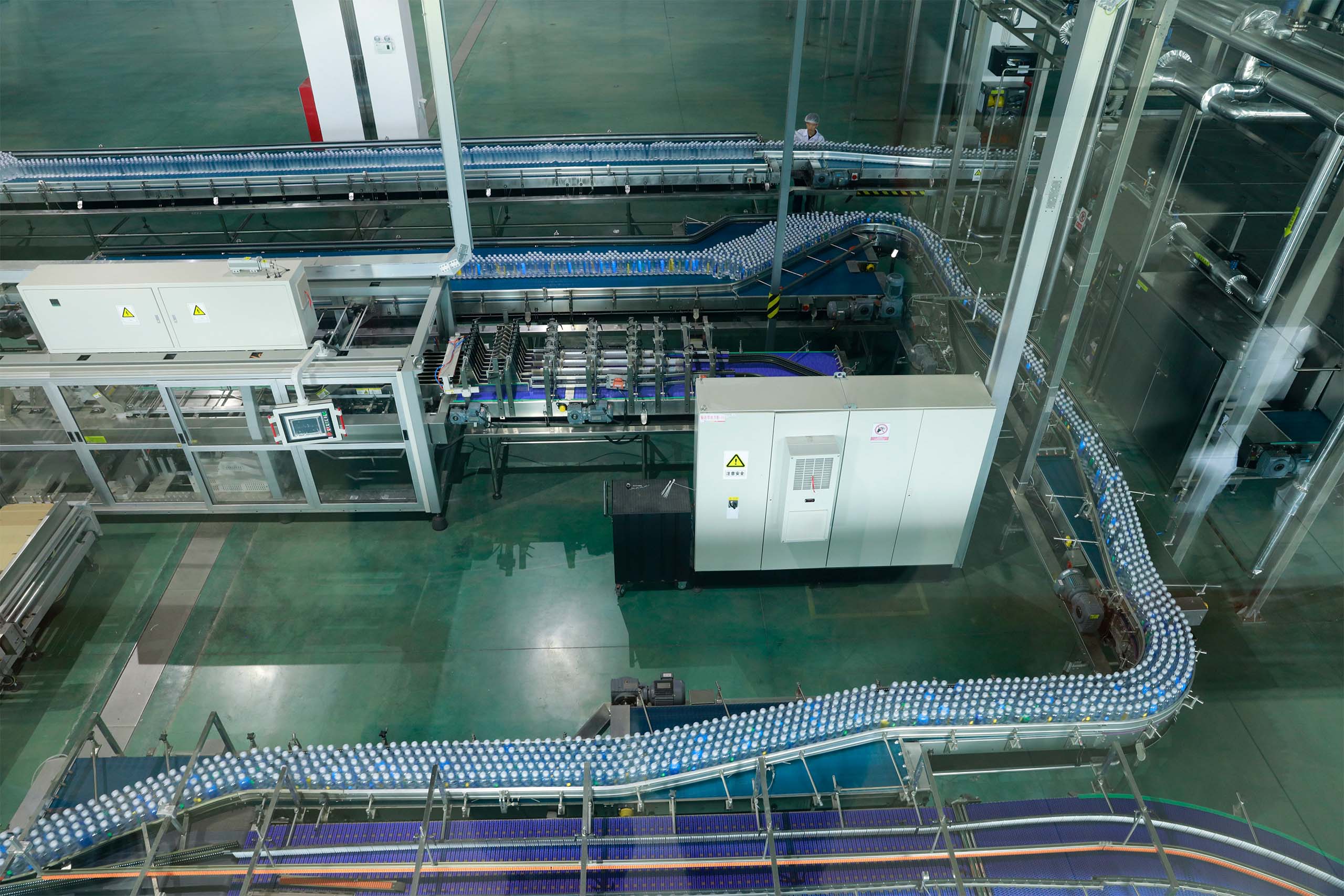
I guide customers by matching the machine speed with their actual demand, plant size, product type, and return on investment plan.
1.What is your target capacity per hour and per day?
2.Will your market demand stay stable?
3.Do you have enough space for a high-speed line?
4.Can your team manage high-speed operation?
5.Do you need a standard filling line or a more advanced aseptic solution?
If the answer shows strong demand and a long production horizon, I recommend looking at ultra-high speed rotary filling. If the plant is still uncertain, I suggest a more flexible path first.
Ultra-high speed rotary filling machines are best for large beverage factories that need very high output, stable quality, and lower unit cost at 600+ BPM or above.
My name is Allen, and I'm an expert in filling machine technology at EQS, a leading liquid packaging solution provider based in China. If you're looking for top-quality equipment for your production line, feel free to reach out to me at [email protected]. We specialize in providing customizable solutions with cutting-edge technology.
Copyright © JIANGSU EQS MACHINERY CO.,LTD