 EN
EN


I have seen many new buyers enter the beverage business with hope. I have also seen many of them lose money because they planned too fast.
A small beverage plant needs careful budget planning, the right core equipment, a workable factory layout, and basic compliance checks so first-time buyers can avoid over-investment and bottlenecks.
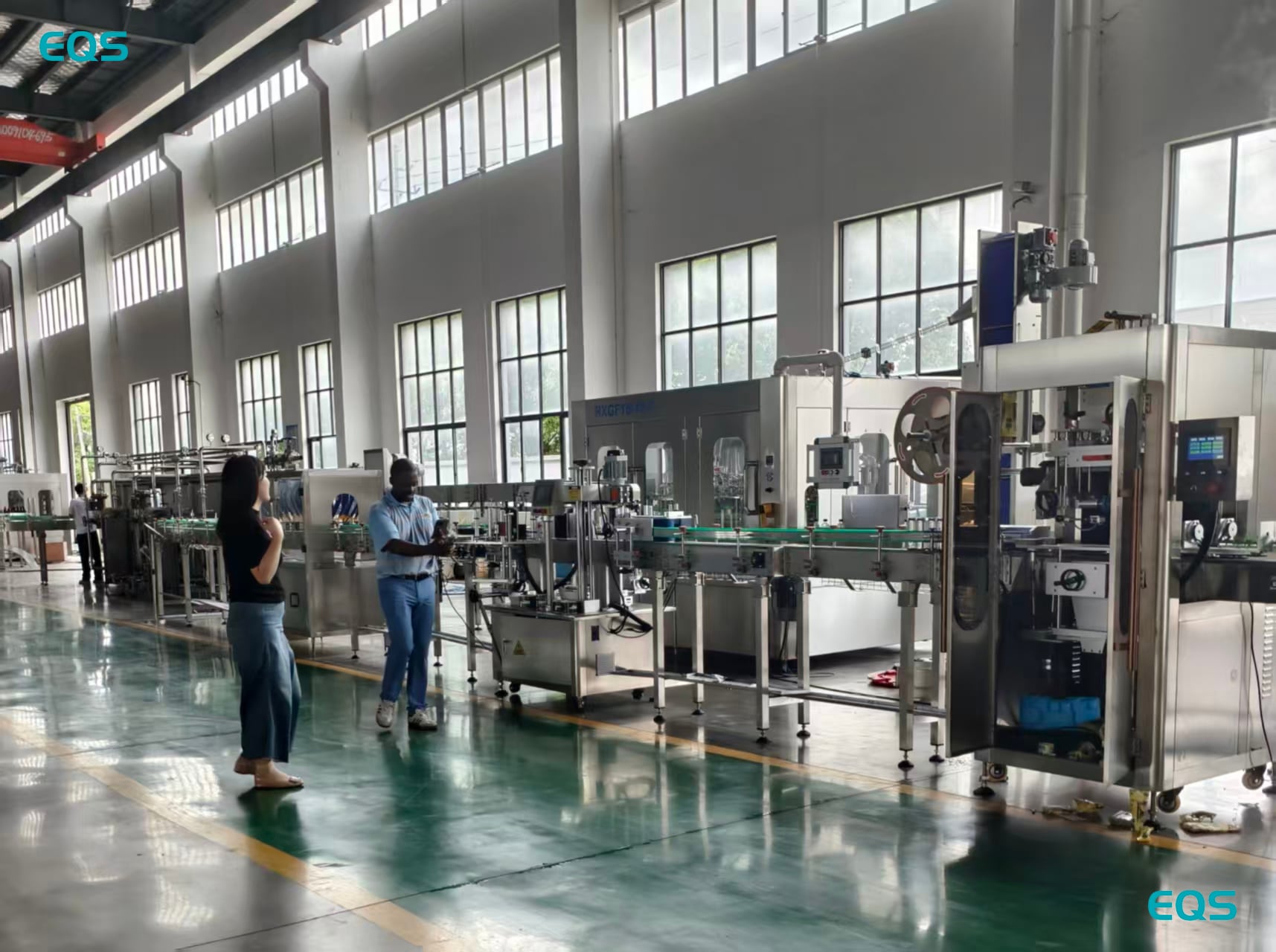
I know a new investor often wants one clear answer: how much money is enough. I understand that question. But the right answer depends on the product, the output, the factory space, and the future plan.
I always tell new buyers that the budget is not only for machines. The full project needs many parts.
The main line takes the largest share of the budget.
Utilities, space, and installation support also cost money.
A plant cannot run with machines alone.
| Budget Item | Typical Content | Why It Matters |
|---|---|---|
| Core equipment | Filling, capping, labeling, packaging | Main production ability |
| Auxiliary systems | Water treatment, air system, conveyors | Line support |
| Factory setup | Installation, wiring, piping | Ready-to-run condition |
| Working capital | Raw materials, labor, logistics | Daily operation |
I do not recommend buying everything at once without a clear plan. I prefer to start with the core process.
This is the heart of the plant.
This helps the product leave the factory in a saleable form.
The line cannot run well without the right helper machines.
| Core Equipment | Main Role | Buyer Priority |
|---|---|---|
| Filling machine | Put product into containers | Very high |
| Capping machine | Seal the bottle | Very high |
| Labeling machine | Show product identity | High |
| Packaging machine | Prepare for shipment | High |
| Water treatment | Support product quality | Very high |
I always choose equipment based on the drink first. Water, juice, carbonated drinks, and beer do not need the same setup. If I ignore the product, I may buy a line that looks cheap but works badly. That is a common mistake for first-time buyers. A low price can become a higher cost later if the machine does not fit the product or the planned output.
I think many beginners buy too much because they fear missing something. That fear is understandable. But overbuying creates pressure.
I do not plan for a huge line if the market is still small.
The machine should fit the current market, not only the dream market.
I want growth, but I do not want waste.
| Planning Choice | Smart Approach | Risk If Wrong |
|---|---|---|
| Capacity | Start small and stable | Over-investment |
| Equipment scope | Buy only needed units | High capital pressure |
| Future expansion | Plan upgrade space | Early replacement |
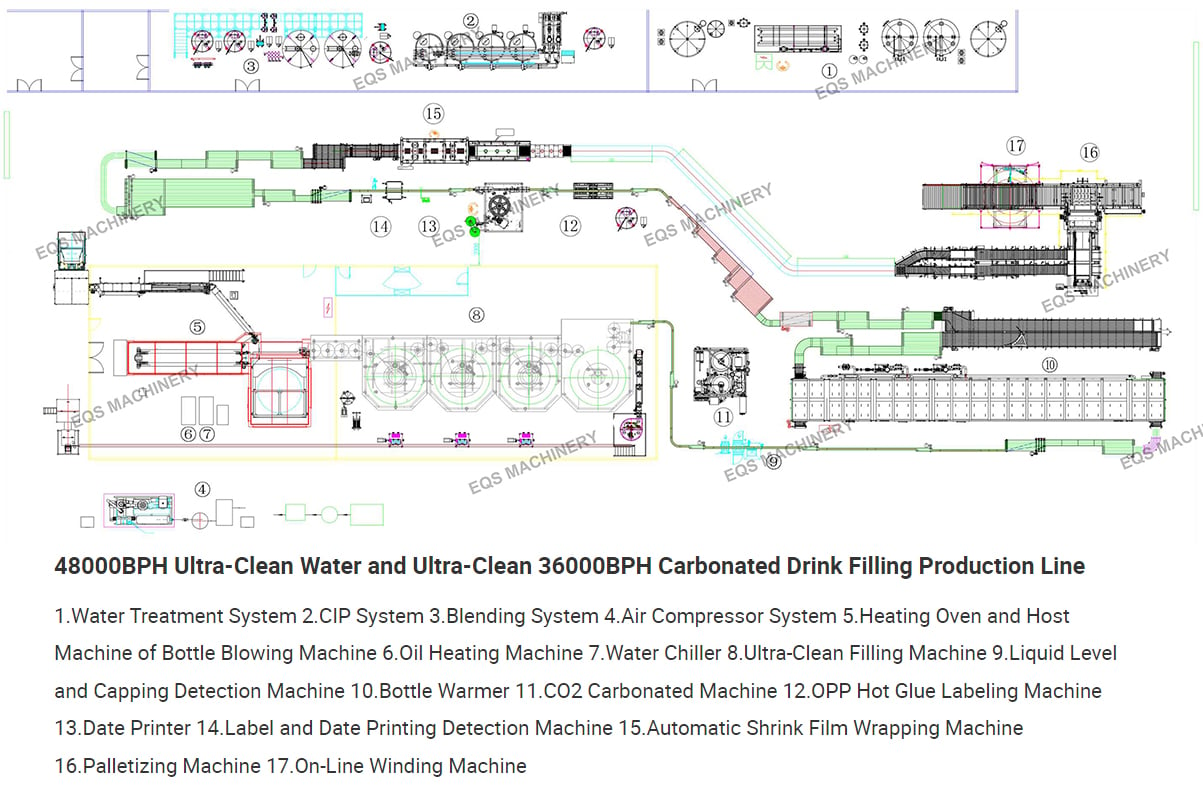
I always remind new buyers that layout is part of profit. A bad layout can slow the whole plant.
Raw materials should move in one clear direction.
Operators and maintenance staff need room.
The plant should allow future growth.
| Layout Area | Main Purpose | Result |
|---|---|---|
| Raw material area | Store bottles, caps, and labels | Better organization |
| Production area | Hold the main line | Smooth operation |
| Packaging area | Prepare finished goods | Faster output |
| Storage area | Keep products ready for shipping | Better logistics |
I have learned that compliance is not optional. It protects the business and reduces risk.
The plant must meet local hygiene requirements.
The machinery should meet the needed standards.
The factory must support safe and legal operation.
| Compliance Item | What I Check | Why It Matters |
|---|---|---|
| Food safety | Clean production design | Safe product |
| Electrical safety | Proper wiring and control | Stable operation |
| Mechanical safety | Guarding and protection | Fewer accidents |
| Documentation | Certificates and manuals | Easier approval |
I believe risk control is one of the most important parts of the project. A new buyer should not rush.
I need to check more than one offer.
A good design must fit the real plant.
The supplier should stay involved after delivery.
| Risk Area | Control Method | Benefit |
|---|---|---|
| Supplier choice | Compare cases and service | Better decision |
| Technical design | Review process before order | Less error |
| Operation support | Confirm training and spare parts | Lower downtime |
I know new buyers often focus on the cheapest quotation. I understand that pressure. But a low price is not always a good deal. Some suppliers cut the quality of parts, reduce testing time, or leave out important service. That can create trouble later. The machine may stop often. The filling accuracy may be weak. The line may need more labor than expected. In the end, the buyer may spend more money than planned. I always suggest looking at total value, not just the first number.
I never promise fast rich results. I prefer to give a practical view.
Production only makes sense if the product can sell.
Profit depends on raw materials, labor, and logistics.
A small plant often needs time to build trust.
| Profit Factor | Main Influence | Buyer Consideration |
|---|---|---|
| Sales volume | Market demand | Must be stable |
| Production cost | Labor and materials | Must stay controlled |
| Packaging appeal | Market acceptance | Helps sales |
| Operating efficiency | Line output | Improves margin |
I see the same mistakes again and again. I want new buyers to avoid them.
Some buyers start with too little research.
Some buyers match machines to price, not to product.
Some buyers do not track installation and training well.
| Common Mistake | Result | Better Choice |
|---|---|---|
| No clear budget | Cash shortage | Plan full cost |
| Wrong machine type | Bottlenecks | Match product and capacity |
| Poor supplier review | Service problems | Check history and support |
I usually suggest semi-automatic equipment for very small budgets. It gives a better balance between cost and output.
This works only for small-scale or early-stage operations.
This gives better stability without very high investment.
This supports higher output and lower labor dependence.
| Equipment Level | Best For | Main Trade-off |
|---|---|---|
| Manual | Very small startups | Low cost, low speed |
| Semi-automatic | Small plants | Balanced cost and output |
| Automatic | Growth stage | Higher cost, higher efficiency |
I always tell buyers to break the project into stages. That makes the risk smaller.
I buy the most important machines first.
I complete the line only after the base is stable.
I keep space for future growth.
| Purchase Stage | Action | Benefit |
|---|---|---|
| Stage 1 | Buy core production equipment | Start operation |
| Stage 2 | Add support and packaging units | Improve flow |
| Stage 3 | Upgrade capacity later | Grow with demand |
A small beverage plant can be a good business if I plan the budget, choose the right equipment, and control risk from the start. Careful buying always gives a better chance of profit.
Copyright © JIANGSU EQS MACHINERY CO.,LTD