 EN
EN


I have watched beverage factories change fast. Manual work still exists, but it cannot support modern speed, hygiene, and cost pressure.
Automation is now the core of beverage filling lines. It improves efficiency, product consistency, food safety, and cost control across bottling, rinsing, filling, capping, labeling, and packaging.
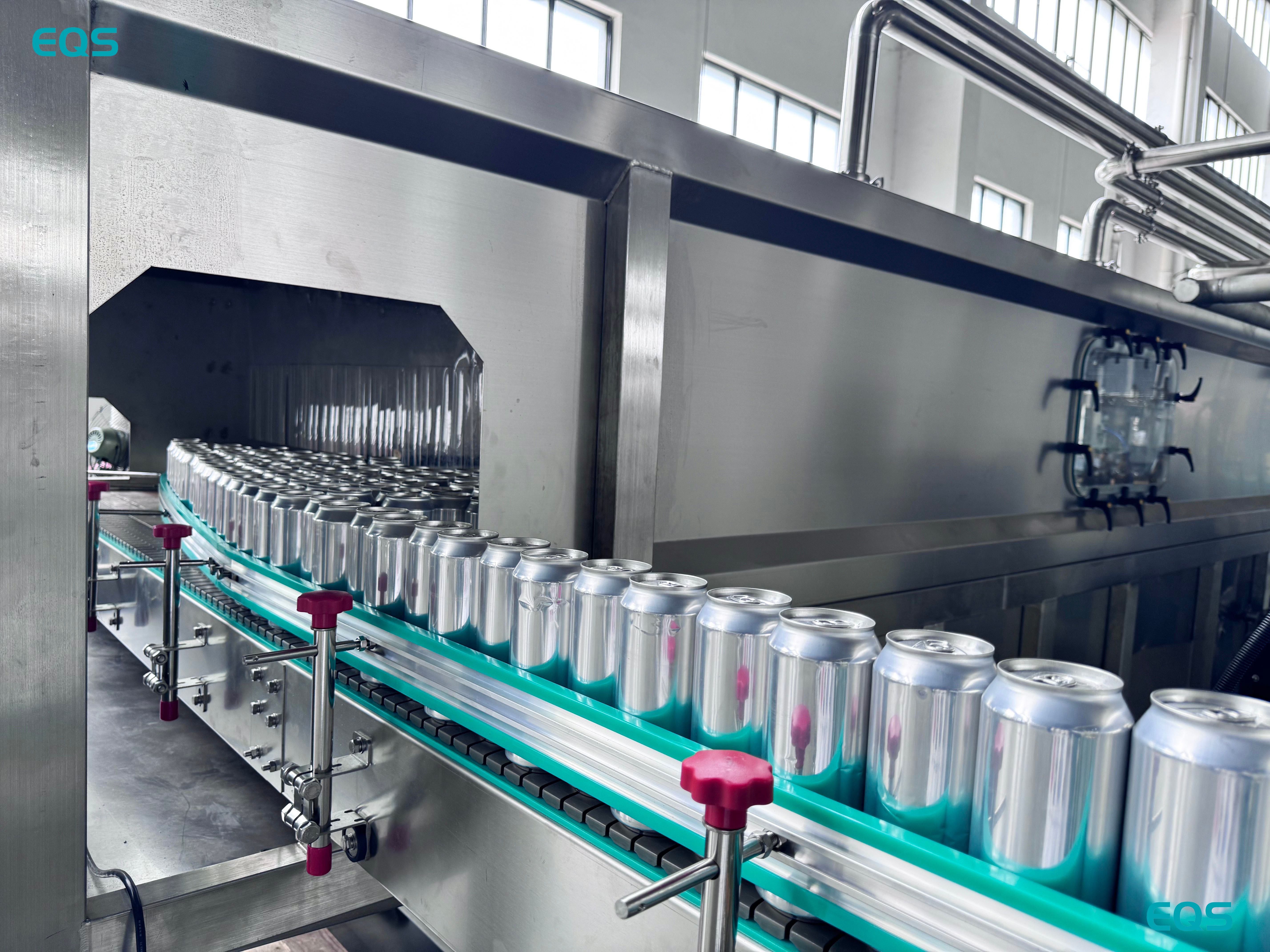
I know many buyers first ask about machine price. That is normal. But when I design a line, I always think about how automation will help the whole plant run better every day.
I believe the market has changed. Customers want more output, better hygiene, and less waste.
A factory must finish more bottles in less time.
Every bottle should look and taste the same.
A line with less manual work is easier to manage.
| Manual Line | Automated Line |
|---|---|
| Slow operation | Faster output |
| More human error | Better consistency |
| More labor demand | Lower labor need |
| Harder hygiene control | Better food safety |
I see automation as the control brain of the whole line. It connects every machine and keeps them working in the right order.
Bottle sorting and transfer must stay stable.
Filling volume and timing must stay accurate.
Labeling and packing must follow the same line rhythm.
| Production Stage | Automation Role | Main Benefit |
|---|---|---|
| Bottle sorting | Organize empty bottles | Better feeding |
| Rinsing | Control cleaning cycle | Cleaner bottles |
| Filling | Regulate volume and speed | Stable product quality |
| Capping | Keep sealing accurate | Better shelf life |
| Labeling | Control position and speed | Better appearance |
| Packaging | Support line output | Faster dispatch |
I know food safety is not only a legal issue. It is also a trust issue.
Less manual handling means less contamination risk.
Automated rinsing and sterilization are easier to manage.
Sensors and control systems help track production data.
| Safety Factor | Automation Benefit | Business Result |
|---|---|---|
| Less contact | Lower contamination risk | Safer product |
| Controlled cleaning | Stable hygiene level | Better compliance |
| Traceable data | Easier record keeping | Better management |
I always remind buyers that beverage production is very sensitive. Carbonated drinks, beer, juice, and still water all need clean handling. If the line depends too much on people, the risk goes up. A worker can make a mistake. A sensor can help stop that mistake early. That is why I treat automation as a basic part of food safety, not as an extra feature. It helps the plant follow hygiene rules and also gives the buyer more confidence in daily operation.
I always divide the system into clear parts. Each module has its own job, but all of them must work together.
This includes sorting, feeding, and rinsing.
These two steps define product quality and line speed.
These steps prepare the product for the market.
| Module | Main Function | Automation Value |
|---|---|---|
| Bottle sorting | Organize empty containers | Stable feeding |
| Rinsing | Clean bottles before filling | Better hygiene |
| Filling | Add accurate product volume | Less waste |
| Capping | Seal the bottle tightly | Longer shelf life |
| Labeling | Place product labels | Better branding |
| End-of-line packaging | Group finished products | Faster shipping |
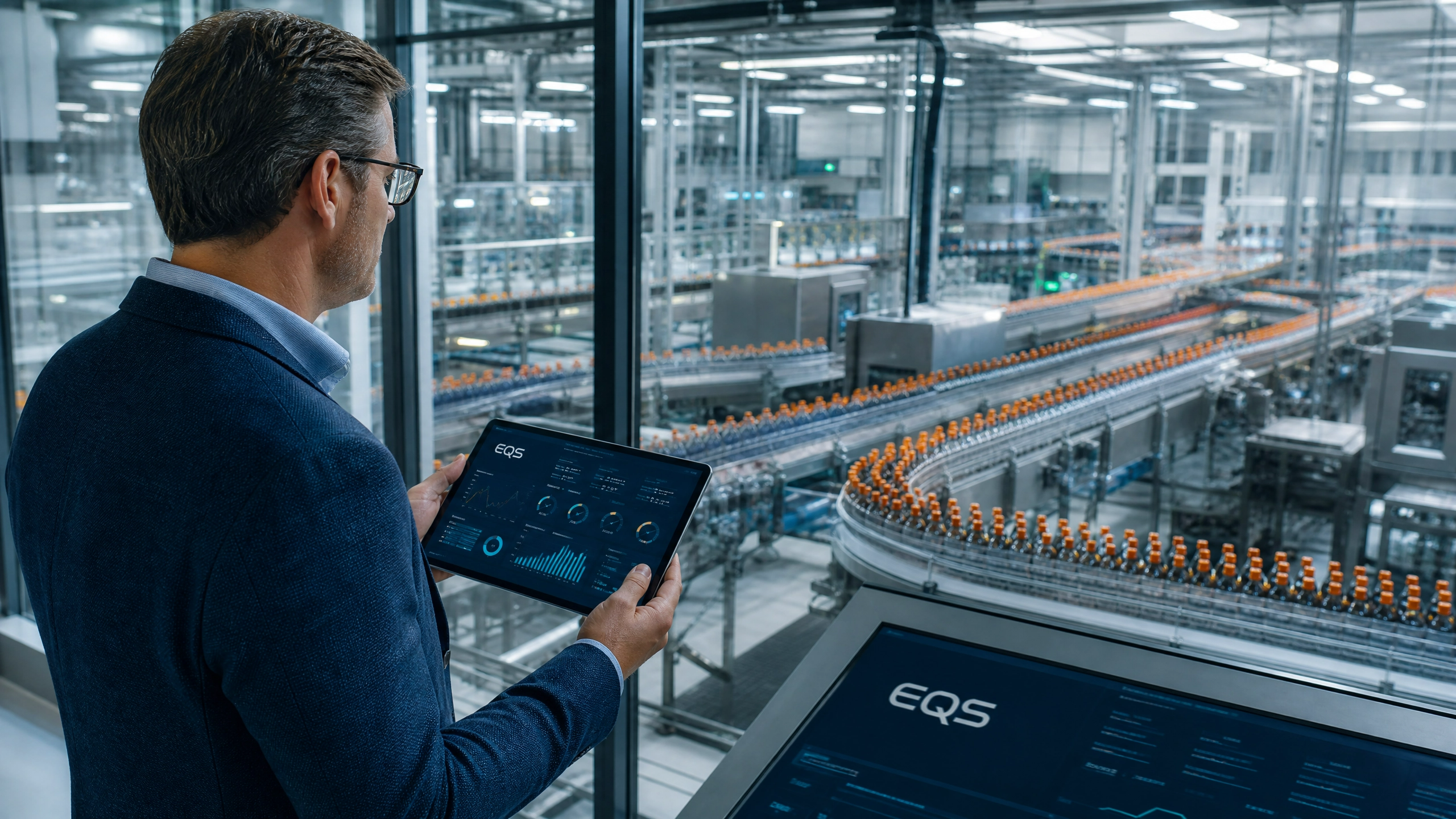
I see more buyers asking for flexible production. They want short runs, many SKUs, and faster changeovers.
The line can switch between bottle sizes or products more easily.
Better controls shorten the changeover time.
The plant can react faster to market demand.
| Flexible Production Need | Automation Support | Result |
|---|---|---|
| Many bottle sizes | Easy parameter change | Faster setup |
| Small-batch orders | Stable short runs | Less waste |
| Frequent product change | Quick adjustment | Better response |
I always look at automation from a business view. A machine must not only run. It must also help the buyer make money.
One automated line can replace many manual tasks.
A steady line can produce more bottles per hour.
Accurate filling and better control cut waste.
| Business Benefit | How Automation Helps | Value for Buyer |
|---|---|---|
| Lower labor cost | Less manual work | Better margins |
| Higher output | Stable continuous flow | More sales capacity |
| Less waste | Accurate control | Lower production loss |
| Better consistency | Repeatable process | Better brand image |
I do not treat automation as one single device. I see it as a system made of many small parts.
Sensors detect bottle position, pressure, liquid level, and machine status.
The PLC keeps the full line logic stable.
These parts help with movement, speed, and accuracy.
| Technical Part | Function | Importance |
|---|---|---|
| Sensors | Detect movement and condition | Early control |
| PLC system | Manage line logic | Central control |
| Servo system | Control precise movement | Higher accuracy |
| HMI screen | Show data and settings | Easier operation |
I also believe buyers should understand the limits. Automation is powerful, but it is not magic.
A smart line still needs trained people.
Sensors and parts must be checked often.
Poor design can make automation hard to use.
| Challenge | Risk | Solution |
|---|---|---|
| Lack of training | Wrong operation | Operator education |
| Weak maintenance | Unexpected stops | Planned service |
| Bad line design | Low efficiency | Better engineering |
I have seen some factories buy advanced machines, but the full line still performs badly. The reason is often simple. The machines do not match each other. The control logic is weak. The layout is poor. In that case, automation cannot save the project. This is why I always stress system integration. A good automated line needs clear planning, not only good single machines. It needs the bottle feeding, rinsing, filling, capping, labeling, and packaging sections to speak the same language. If they do not, the line will stop again and again.
I believe the future will be smarter, faster, and more connected.
Factories will use data to improve decisions.
Suppliers will help customers through online tools.
Plants will serve more product types with one system.
| Future Trend | What It Means | Benefit |
|---|---|---|
| Smart data use | Better monitoring | Better decision-making |
| Remote support | Faster troubleshooting | Lower downtime |
| Flexible design | Easier product change | Higher market response |
Automation is now the backbone of modern beverage filling systems. I use it to raise output, improve safety, cut cost, and help factories stay ready for future growth.
Copyright © JIANGSU EQS MACHINERY CO.,LTD