 EN
EN


Շատ ջրի մշակման կայանների սեփականատերերը զգում են նույն ճնշումը: Աշխատավարձերը շարունակում են բարձրանալ, սակայն արտադրությունը չի միշտ աճում դրանց հետ մեկտեղ: Այս տարբերությունը կարող է վնասել շահույթը և դանդաղեցնել ընդարձակումը:
Իմաստուն շշալցման ավտոմատացումը օգնում է ջրի մեքենայացված կայաններին նվազեցնել աշխատավարձերը՝ ձեռքով կատարվող աշխատանքները փոխարինելով կայուն մեքենայական կառավարմամբ, ավելի արագ արտադրական հոսքով և ավելի բարձր գծի արդյունավետությամբ:
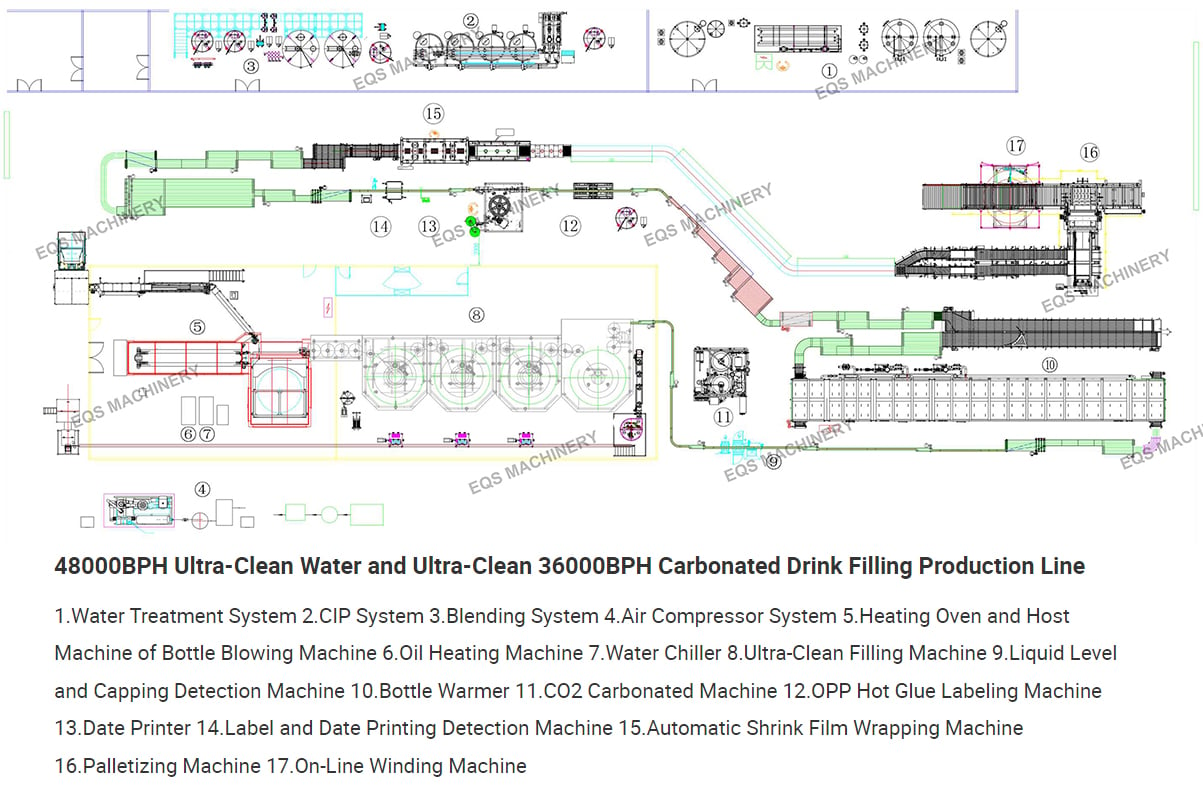
Եթե դուք դեռևս շատ եք կախված աշխատողներից շշերի մշակման, լցման, փաթեթավորման կամ պալետավորման համար, ձեր արտադրական գիծը արդեն կարող է կորցնել գումար: Ցանկանում եմ ցույց տալ, թե ինչու ավտոմատացումը այլևս չի համարվում լքած հաճույք: Այն դառնում է հիմնարար անհրաժեշտություն:
Ես տեսնում եմ, որ շատ հաճախորդներ կենտրոնանում են միայն լցման մեքենայի վրա: Սակայն իրական արտադրության մեջ աշխատավարձը ծագում է ամբողջ գծից: Եթե շատ քիչ քայլեր են կախված մարդկանցից, ապա գործարանը կդիմանա անկայուն արագության, ավելի բարձր սխալների և ավելի շատ կառավարման ճնշման:
Շատ երկրներում աշխատավարձը ավելի թանկ է, քան առաջ: Աշխատակիցները նաև ավելի հաճախ են փոխում աշխատատեղերը: Դա դժվարացնում է արտադրության պլանավորումը: Երբ գործարանը չափազանց շատ է կախված ձեռքով աշխատանքից, այն ստիպված է կրկին և կրկին անցնել վարձույթի, վերապատրաստման և աշխատակիցների փոխարինման գործընթացները:
Ինտելեկտուալ շշալցման գիծը կարող է ավելի լավ ժամանակավորմամբ և ավելի քիչ ընդհատումներով աշխատել: Մեքենաները կրկնվող աշխատանքները կատարում են ֆիքսված եղանակով: Դա նշանակում է, որ գիծը ավելի հեշտ է վերահսկել: Դա նաև նշանակում է, որ գործարանը կարող է երկար արտադրական շիֆտերի ընթացքում պահպանել ավելի կայուն արտադրանք:
Ձեռքով աշխատանքը հաճախ ստեղծում է թաքնված կորուստներ: Աշխատողը կարող է շիշը դնել սխալ դիրքում: Պիտակը կարող է շեղվել: Տուփը կարող է անհավասարաչափ փաթեթավորվել: Այս փոքր խնդիրները կարող են դանդաղեցնել գծի աշխատանքը և մեծացնել թափոնները: Ավտոմատացումը օգնում է նվազեցնել այս ռիսկերը:
| Ձեռքով արտադրության խնդիր | Ջրի մեքենայի վրա ազդեցությունը | Ինտելեկտուալ ավտոմատացման արդյունքը |
|---|---|---|
| Պահանջվում է շատ աշխատող | Բարձրացած աշխատավարձի ծախսեր | Պակաս օպերատորների անհրաժեշտություն |
| Ձեռքով աշխատանքի անկայուն արագություն | Անհավասարաչափ արտադրանքի արդյունք | Ավելի կայուն գծի հոսք |
| Մարդկային մշակման սխալներ | Ավելի շատ թափոններ և վերամշակում | Լավագույն ճշգրտություն |
| Հաճախակի նոր աշխատողների վերապատրաստում | Ավելի շատ ժամանակ և ծախսեր | Պարզեցված շահագործման վերահսկում |
Սովորաբար ես գնորդներին խորհուրդ եմ տալիս չմտածել ավտոմատացման մասին որպես մեկ առանձին մեքենայի մասին: Դա ամբողջական համակարգ է: Յուրաքանչյուր քայլ կարելի է բարելավել: Որոշ գործարաններ սկզբում ավտոմատացնում են միայն մեկ մաս, իսկ հետո մնացած մասերը մոդերնիզացնում են հետագայում:
Առաջին տեղը, որտեղ կարելի է նվազեցնել աշխատավորների ներգրավվածությունը, շշերի տեղափոխումն է: Տեղափոխիչները, օդային տեղափոխիչները և շշերի տեղափոխման համակարգերը կարող են շշերը տեղափոխել մեկ կայանից մյուսը՝ շատ փոքր չափով մարդկային օգնությամբ: Սա նվազեցնում է ձեռքով տեղափոխումը և դասակարգումը:
Լցման բաժինը գծի սիրտն է: Ինտելեկտուալ լցման մեքենան կարող է ավելի ճշգրտորեն վերահսկել ծավալը: Բարեկարգ փակածային համակարգը կարող է շշերը ավելի արագ և ավելի համաչափ փակել: Սա նվազեցնում է աշխատավորների ներգրավվածությունը և միաժամանակ բարելավում է արտադրանքի որակը:
Պիտակավորումը, սեղմապակելը, տուփերով փաթեթավորումը և փաթեթավորումը նույնպես կարող են ավտոմատացվել: Այս քայլերը հաճախ պահանջում են շատ աշխատողներ հին գործարաններում: Երբ դրանք կատարում են մեքենաները, գործարանը խնայում է աշխատավարձ և պահպանում է գծի ավելի արագ աշխատանքը:
Մեծ չափի գործարաններում պալետավորումը նույնպես կարող է ավտոմատացվել: Սա շատ օգտակար է, երբ արտադրության ծավալը բարձր է: Պալետավորման համակարգը նվազեցնում է ֆիզիկական աշխատանքը և օգնում է պաշտպանել աշխատողներին ծանր բեռների բարձրացման ժամանակ: Այն նաև բարելավում է արտադրությունից պահեստավորման հոսքը:
Ես սիրում եմ սա բացատրել պարզ բիզնես տրամաբանությամբ: Աշխատավարձի ծախսը միայն աշխատավարձը չէ: Դա ներառում է նաև վերապատրաստումը, վերահսկումը, սխալների վերացումը, լրացուցիչ ժամերը և աշխատողների փոփոխությունը: Ավտոմատացումը միաժամանակ նվազեցնում է բոլոր այս ծախսերը:
Ավանդական գծի համար կարող են անհրաժեշտ լինել շատ աշխատակիցներ՝ շշերը տեղափոխելու, կապակցիաները ստուգելու, տուփերը փաթեթավորելու և վերջնական արտադրանքը տեղափոխելու համար: Ինտելեկտուալ գիծը պահանջում է ավելի քիչ մարդկանց, քանի որ մեքենաները կատարում են կրկնվող աշխատանքների մեծ մասը: Դա գործարանին տալիս է ավելի ցածր աշխատավարձի հարաբերություն արտադրանքի նկատմամբ:
Երբ գիծը ավելի ավտոմատացված է, այն ավելի հեշտ է կառավարել: Արտադրության մենեջերը չի պետք հսկել յուրաքանչյուր փոքր աշխատանք: Սա ժամանակ է խնայում և օգնում է թիմին կենտրոնանալ հիմնական որակի ստուգումների և սպասարկման վրա:
Որոշ տարածաշրջաններում աշխատուժի սրտահատում կա: Որոշ աշխատակիցներ երկար ժամանակ չեն մնում աշխատանքում: Սա արտադրությունը անկայուն է դարձնում: Ավտոմատացումը օգնում է նվազեցնել մեծ աշխատուժի անհրաժեշտությունը: Դա գործարանին տալիս է ավելի մեծ ազատություն և նվազեցնում է ռիսկը:
Ավտոմատացումը չի նշանակում, որ մարդիկ անհետանում են: Դա նշանակում է, որ աշխատակիցները տեղափոխվում են ավելի բարձր արժեքավոր աշխատանքների վրա: Նրանք կարող են կենտրոնանալ որակի վերահսկման, մեքենաների վերահսկման, սպասարկման և պլանավորման վրա: Դա մարդկային ռեսուրսների ավելի իմաստալից օգտագործումն է:
| Ավտոմատացման առաջ | Ավտոմատացման հետո |
|---|---|
| Գծի վրա շատ աշխատակիցներ | Ավելի քիչ աշխատողներ են պահանջվում |
| Բարձր կախվածություն ձեռքով մշակման վրա | Մեքենայացված տեղափոխում և փաթեթավորում |
| Ավելի շատ լրացուցիչ ժամեր գագաթնակետային պահանջարկի ժամանակ | Լավագույն արդյունք՝ ավելի քիչ աշխատավորների վրա ճնշում գործադրելով |
| Մարդկային սխալների ավելի բարձր ռիսկ | Բարձր համապատասխանություն և վերահսկողություն |
Ես միշտ խորհուրդ եմ տալիս գնորդներին աստիճանաբար իրականացնել ավտոմատացումը: Գործարանը չի պետք մի օրում ամբողջությամբ ավտոմատացնել: Լավագույն ծրագիրը կախված է բյուջեից, արտադրական հզորությունից և ապագայի նպատակներից:
Եթե փաթեթավորման տեղամասում օգտագործվում է շատ աշխատավոր, ես այնտեղից կսկսեմ: Եթե շշերի կառավարումն է հիմնական խնդիրը, ես կկենտրոնանամ տեղափոխման և մեքենայացված տեղափոխման վրա: Եթե լցման տեղամասն է սահմանափակող գործոնը, ապա առաջին հերթին պետք է մոդերնացվի լցման համակարգը:
Փոքր գործարանը չի պետք նույն կառուցվածքը, ինչ մեծ գործարանը: Եթե արտադրանքի ծավալը դեռևս բարձր չէ, կարող է բավարար լինել պարզ ավտոմատացված գիծը: Եթե գործարանը արագ է աճում, ավելի հարմար է ավելի բարդ ինտելեկտուալ գիծը: Նպատակն է խուսափել ավելցուկային ծախսերից և նաև անբավարար կառուցապատման հետևանքներից:
Որոշ գնորդներ համեմատում են միայն առաջին մեքենայի գինը: Կարծում եմ, որ դա բավարար չէ: Ավելի էժան գիծը կարող է ամենօրյա ավելի շատ աշխատավարձ պահանջել: Այդ ծախսը ժամանակի ընթացքում մեծանում է: Ինտելեկտուալ շշալցման գիծը սկզբում կարող է ավելի թանկ լինել, սակայն ավելի ուշ կարող է խնայել աշխատավարձի, թափոնների և կանգառների ծախսերում:
Լավ ավտոմատացման ծրագիրը պետք է տեղ թողնի աճի համար: Եթե շուկան ընդարձակվում է, գործարանը պետք է կարողանա մասշտաբավորվել՝ ամեն ինչ վերակառուցելու անհրաժեշտություն չունենալով: Դա հենց այն պատճառն է, որ ես հաճախ առաջարկում եմ գծի դասավորություն, որը հնարավորություն է տալիս հետագայում այն մոդերնիզացնել:

Ես տեսնում եմ շուկայում հստակ մի միտում: Այժմ գնորդները ավելի շատ են հետաքրքրված էֆեկտիվությամբ, աշխատանքի խնայողությամբ և կայուն արտադրանքով: Սա ճիշտ է ինչպես զարգացած, այնպես էլ զարգացող երկրներում: Ավտոմատացումը ոչ միայն մեծ ապրանքանիշերի համար է, այլև այն գործարանների համար, որոնք ցանկանում են գոյատևել մրցակցային շուկայում:
Արդյունաբերությունը շարժվում է դեպի ինտելեկտուալ կառավարում, տվյալների հետևում և ավտոմատացված գործառույթ: Դա օգնում է գործարաններին ավելի արագ արձագանքել և ավելի լավ որակի վերահսկում իրականացնել: Դա նաև օգնում է նրանց մրցակցել արտահանման շուկաներում, որտեղ ստանդարտները շատ խիստ են:
Շատ գործարաններ ցանկանում են ավելի շատ աշխատանք կատարել ավելի քիչ մարդկանց օգնությամբ: Սա ոչ միայն տեղական խնդիր է, այլև աշխարհային խնդիր: Ինտելեկտուալ շշալցման գիծը աջակցում է այս նպատակին՝ նվազեցնելով ձեռքով կատարվող աշխատանքը և բարելավելով արտադրանքի էֆեկտիվությունը:
Ավելի բարձր աստիճանի ավտոմատացված գործարանը կարող է ապահովել ավելի կայուն արտադրանքի որակ և ավելի արագ առաքում։ Դա ավելի մրցունակ է դարձնում ընկերությունը։ Սա նաև օգտակար է, երբ գնորդները պահանջում են հաստատուն մատակարարում և պրոֆեսիոնալ գործարանի կառավարում։
Ինտելեկտուալ շշալցման ավտոմատացումը օգնում է ջրի մշակման կայաններին նվազեցնել աշխատավարձի ծախսերը, բարելավել կայունությունը և մնալ մրցունակ այն աշխարհում, որտեղ գնահատվում են արդյունավետությունն ու վերահսկողությունը։
Իմ անունը Ալեն է, ես լցման սարքավորումների տեխնոլոգիայի փորձագետ եմ EQS , Չինաստանում գտնվող հանքային ջրերի համար առաջատար լցման լուծումների մատակարար: Եթե ձեր արտադրական գծի համար որոնում եք բարձրորակ սարքավորումներ, կարող եք կապ հաստատել ինձ հետ [email protected]. Մենք մասնագիտացած ենք cutting-edge տեխնոլոգիաներով կարգավորվող լուծումներ մատուցելու մեջ:
Կենտրոնանում է հեղուկների լցման և փաթեթավորման ամբողջական լուծումների վրա՝ ապահովելով հարմարեցված լուծումներ և բանալի-նախագծեր
© JIANGSU EQS MACHINERY CO.,LTD