 EN
EN

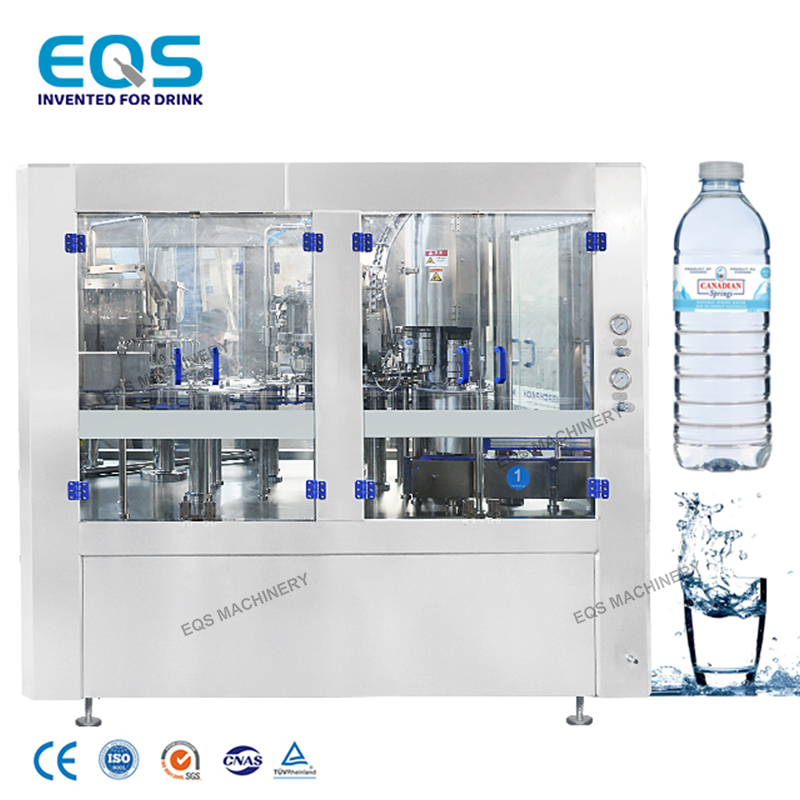
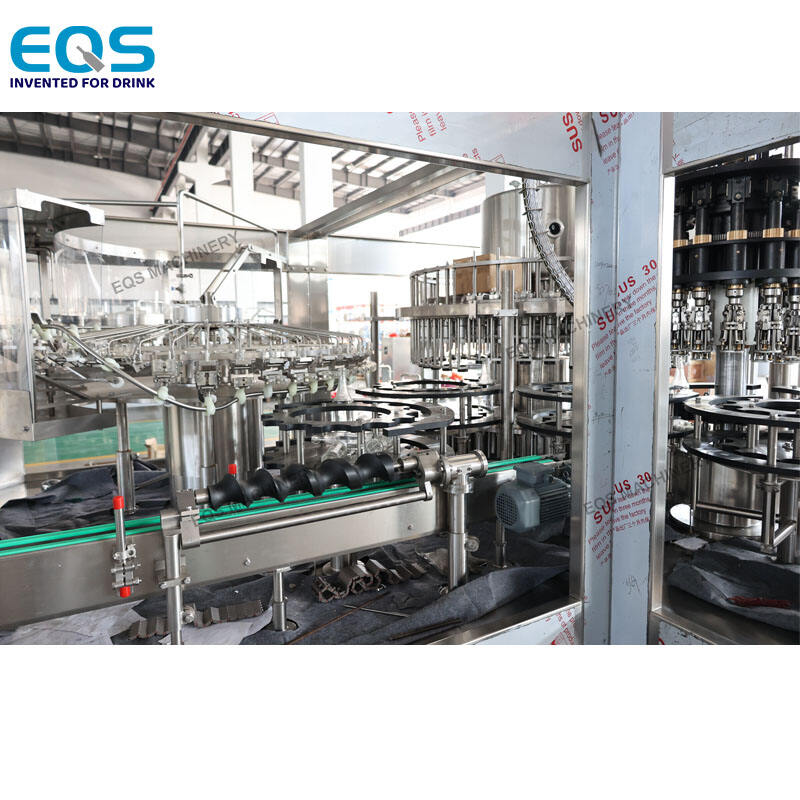
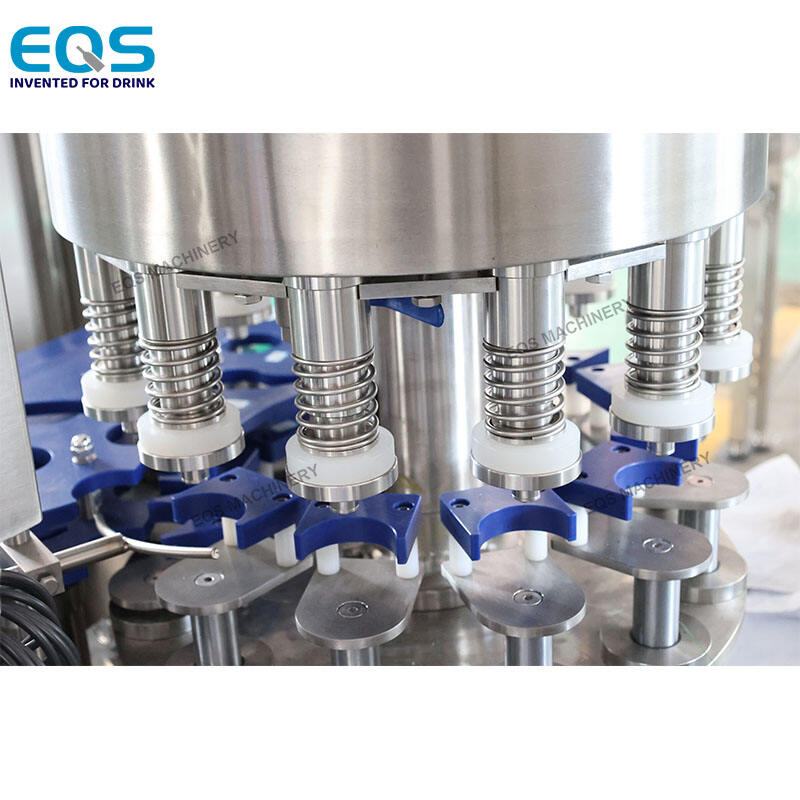
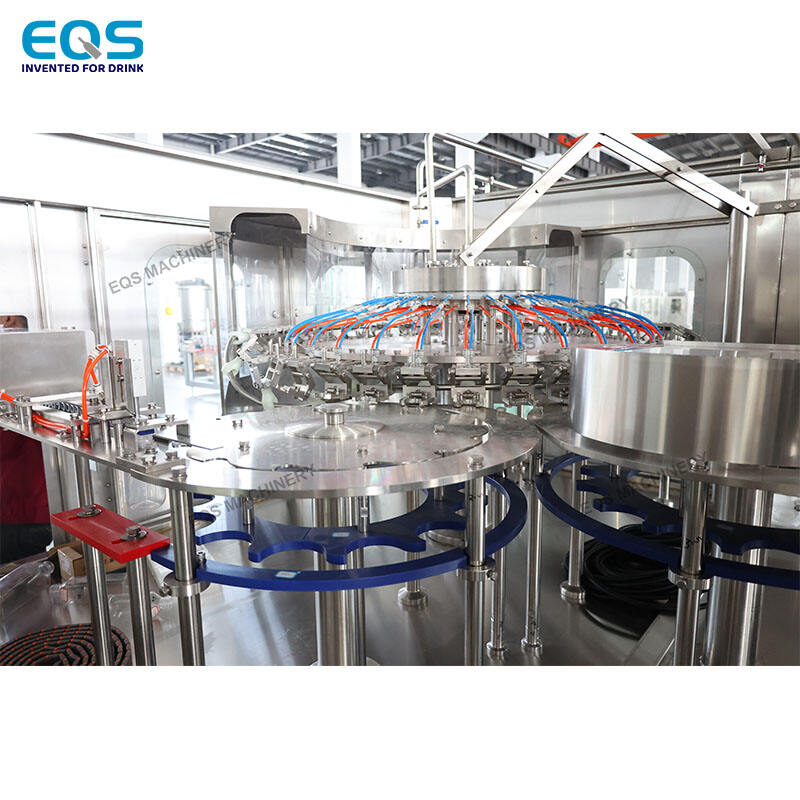
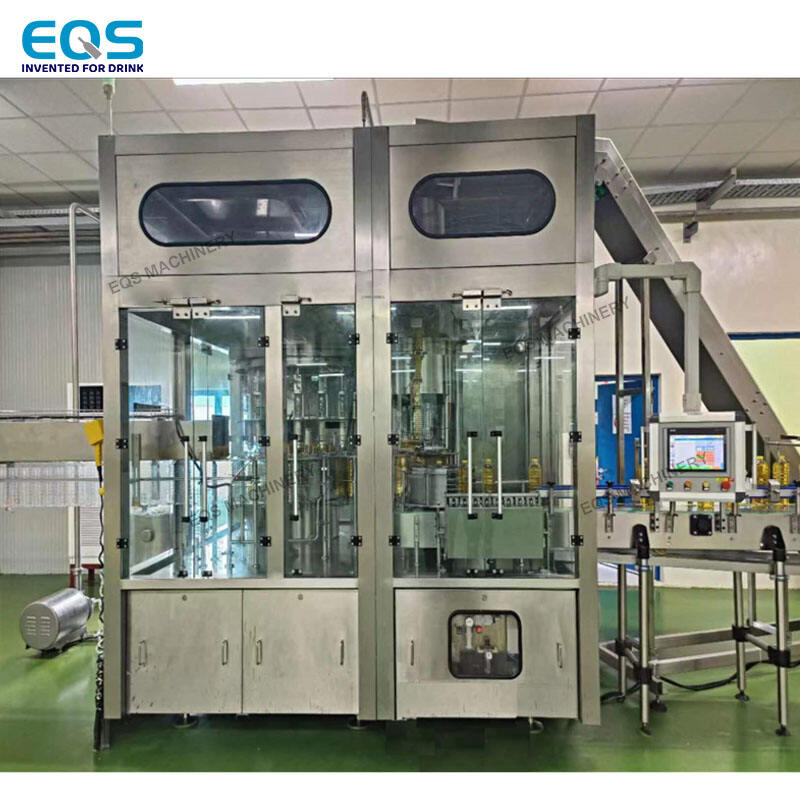
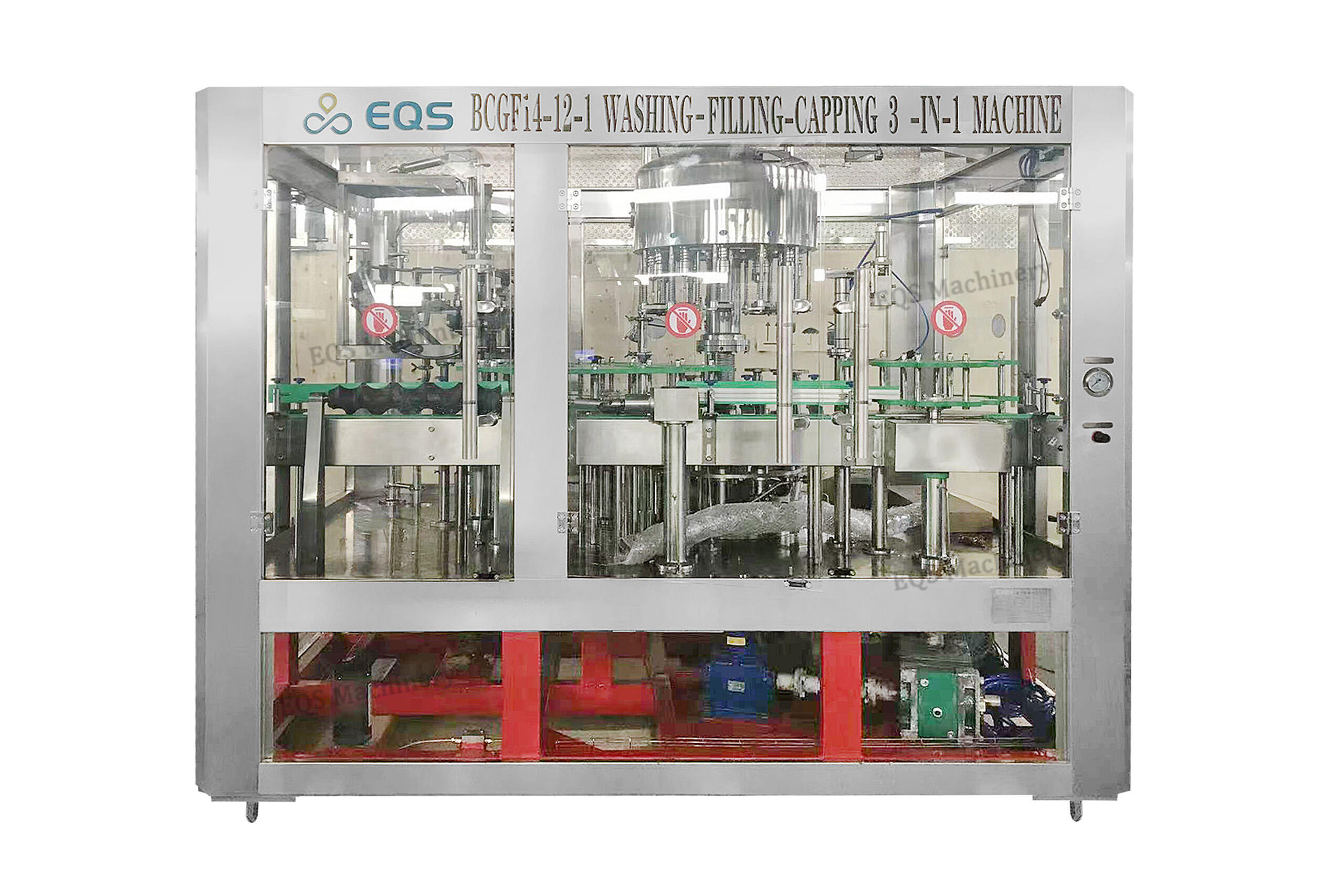
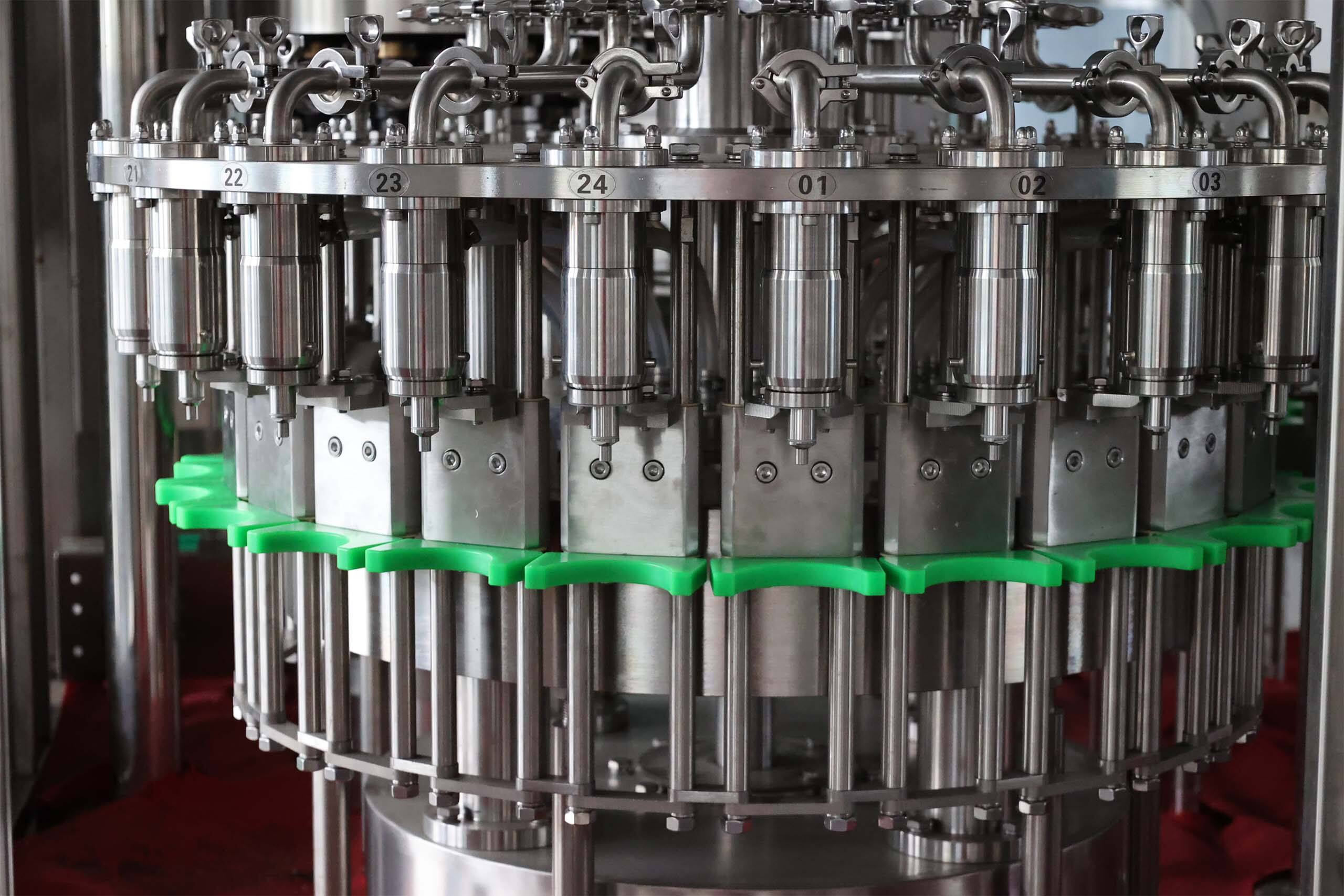
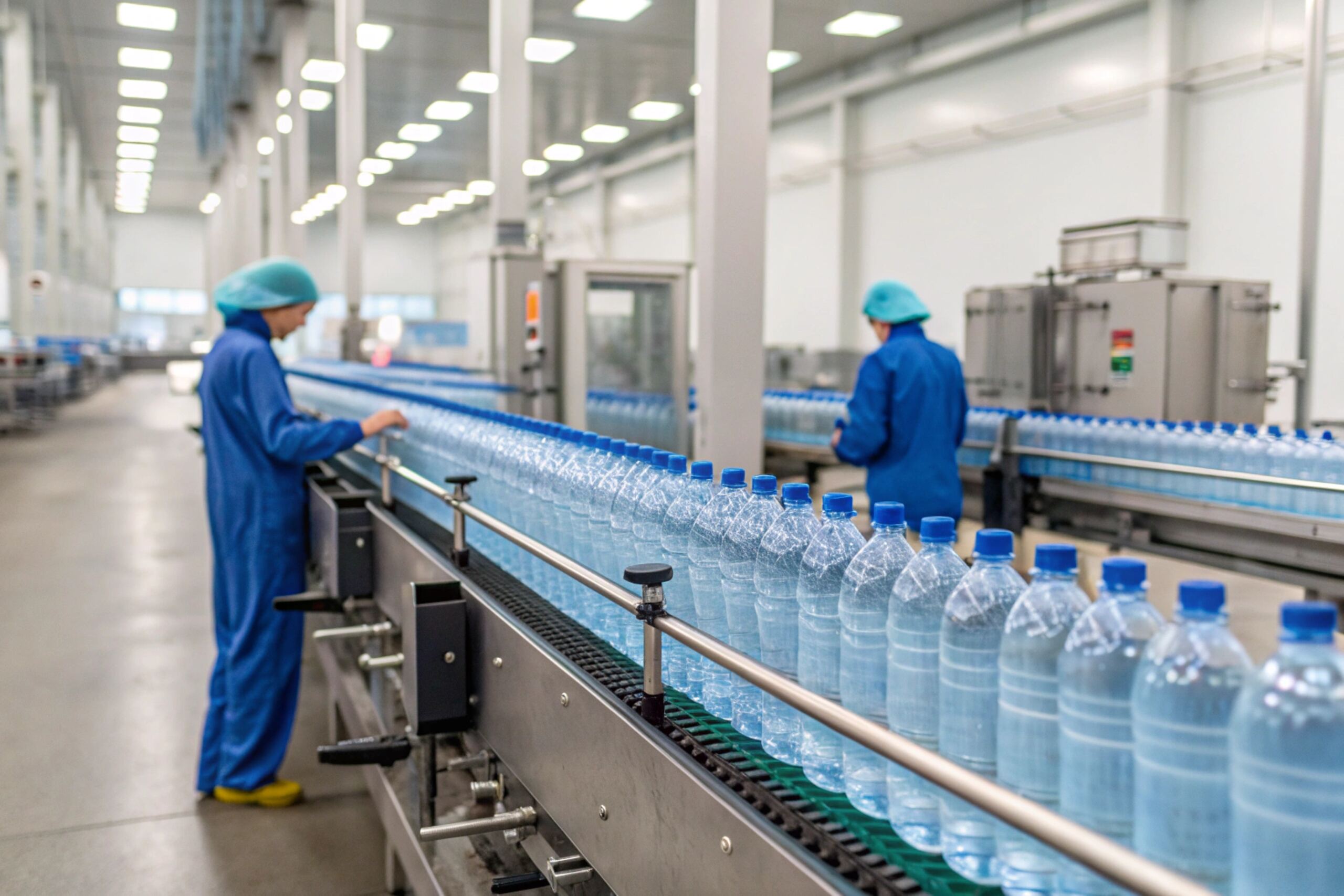
The price of water bottle filling equipment is closely tied to its application field. Different usage scenarios directly determine the equipment's functional configuration, automation level, and final cost. Its applications are extremely broad, with the primary and most core field being the beverage manufacturing industry and large-scale bottled water plants. These environments demand equipment capable of extremely high production speeds (thousands or even tens of thousands of bottles per hour), fully automated assembly line integration (including rinsing, filling, and capping), and strict hygiene standards. Consequently, the most expensive high-speed rotary filling systems are typically required.
In commercial water supply and office drinking water services, equipment primarily focuses on filling large-capacity 3- to 5-gallon water jugs. These machines emphasize durability, efficiency at medium output levels, and preventing secondary contamination. While less expensive than large beverage production lines, they still represent a significant investment for water service providers. Simultaneously, the hospitality industry utilizes these systems to produce private-label bottled water, enhancing service value. They require mid-to-low-volume models capable of handling aesthetically pleasing packaging like glass bottles and offering user-friendly operation. Consequently, the price range is broad, spanning from countertop semi-automatic units suitable for individual restaurants to larger systems deployed by hotel chains.
For medical and pharmaceutical institutions, equipment is used to produce purified water, water for injection, or medical solutions. Their stringent requirements for sterile environments, thorough cleaning-in-place (CIP) systems, and compliance with Good Manufacturing Practices (GMP) significantly increase costs due to the use of specialized certified materials and complex manufacturing processes. Similarly, specialty beverage producers focused on alkaline water, mineral water, or flavored water often require equipment with carbonation capabilities or precise nutrient addition functions. These additional technologies also drive up the overall equipment cost.
Furthermore, rising public environmental awareness has made public drinking water stations a key application area. These integrated filtration and filling units encourage reduced bottled water consumption, with designs prioritizing outdoor durability, user-friendliness, and low maintenance costs. Related applications include emergency relief and public welfare projects. In scenarios lacking stable, clean water sources—such as wilderness or post-disaster environments—portable, rapid mobile water treatment and filling units serve as critical lifeline equipment, their value undeniable.
In summary, from large-scale industrial to small-scale commercial operations, and from everyday consumption to specialized medical use, the pricing spectrum of water bottle filling equipment directly reflects its specific requirements and value creation capabilities across diverse application scenarios.

“The Leap from Manual to Automation: The Key to Business Growth”

“The Leap from Manual to Automation: The Key to Business Growth”
Copyright © JIANGSU EQS MACHINERY CO.,LTD