EN
EN

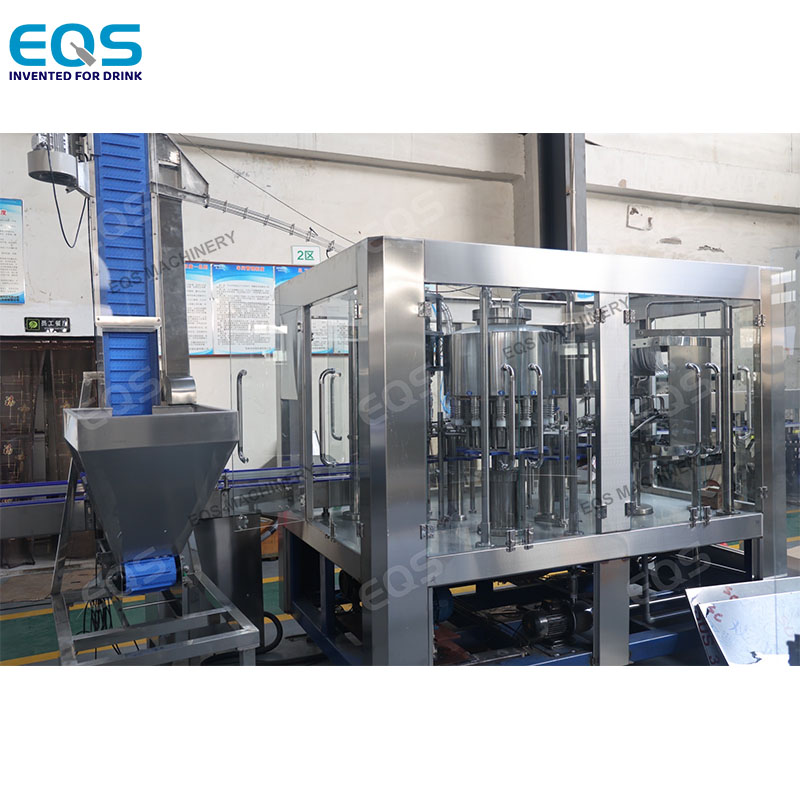
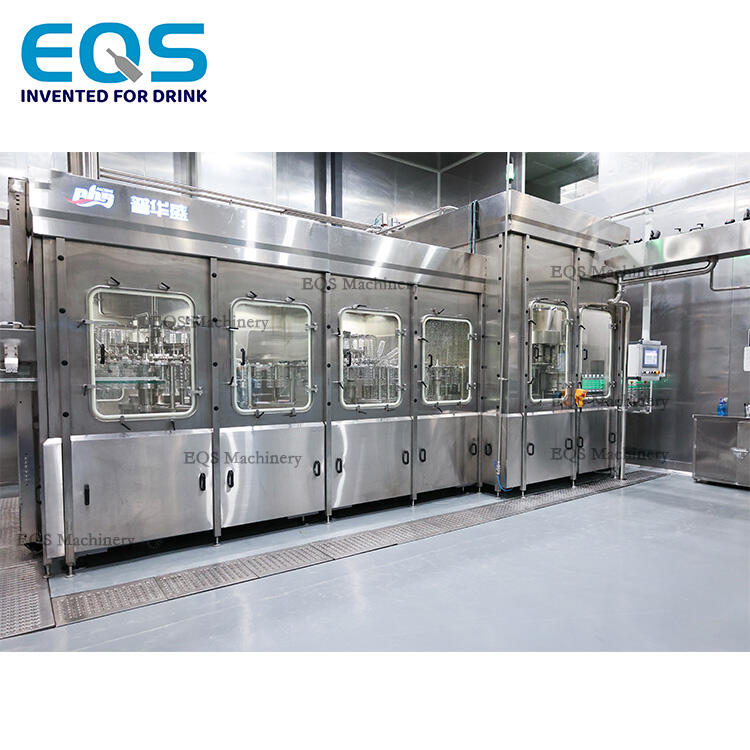
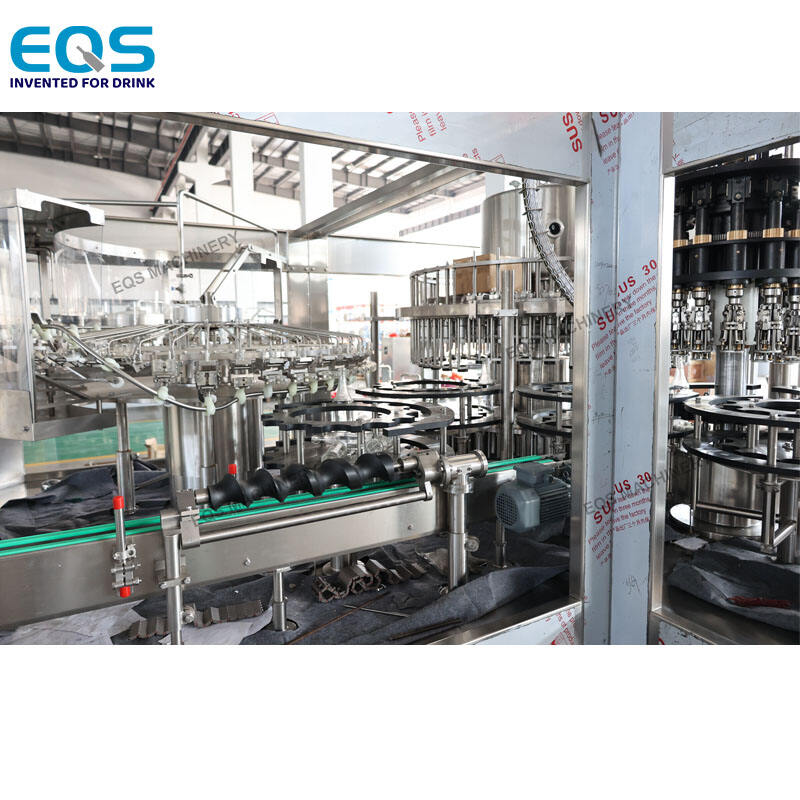
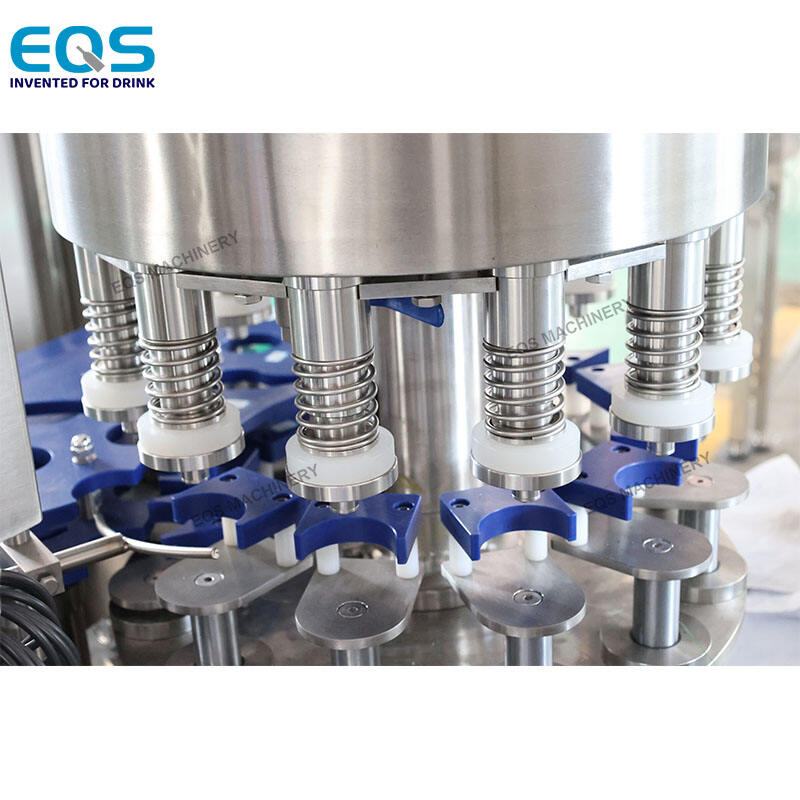
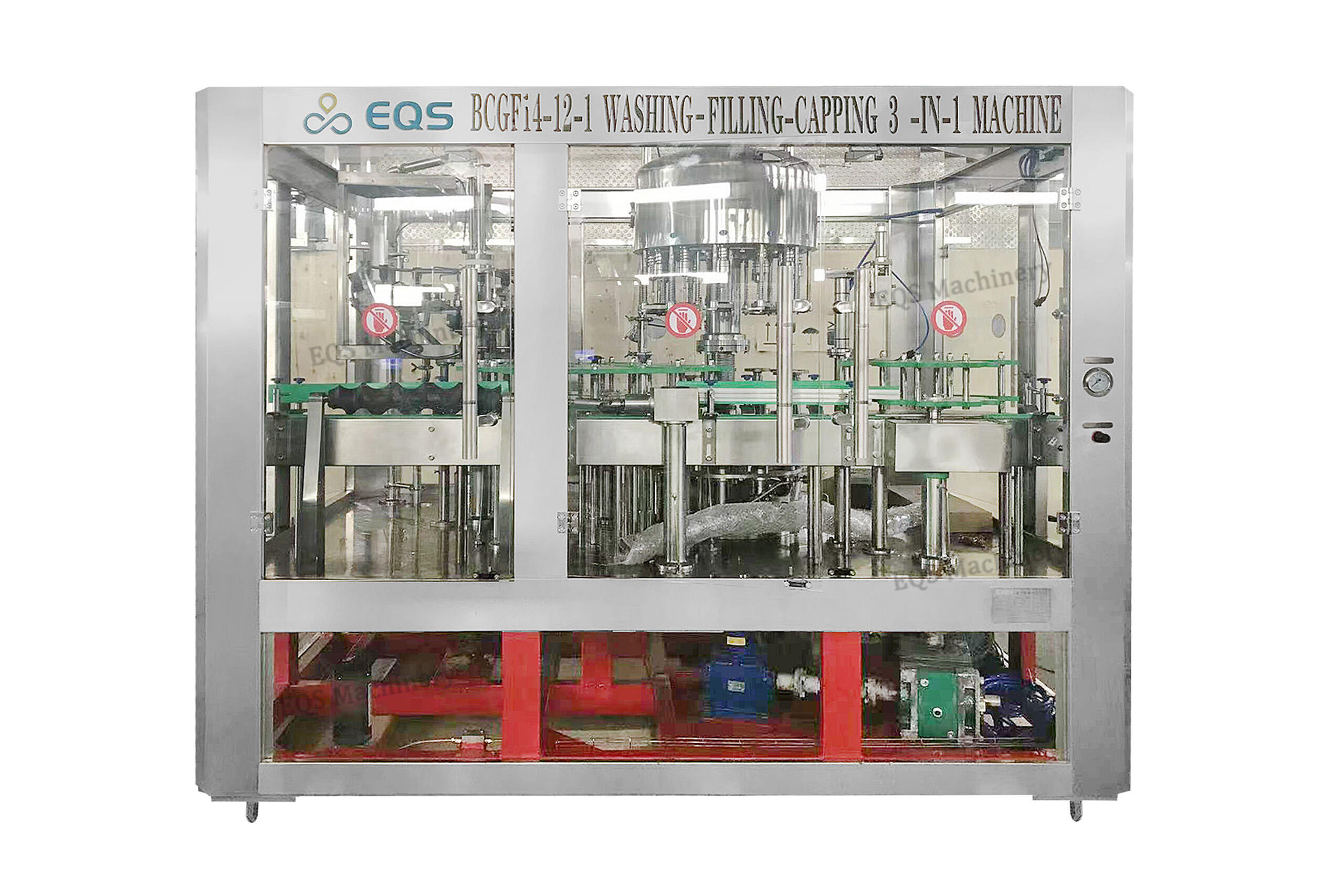
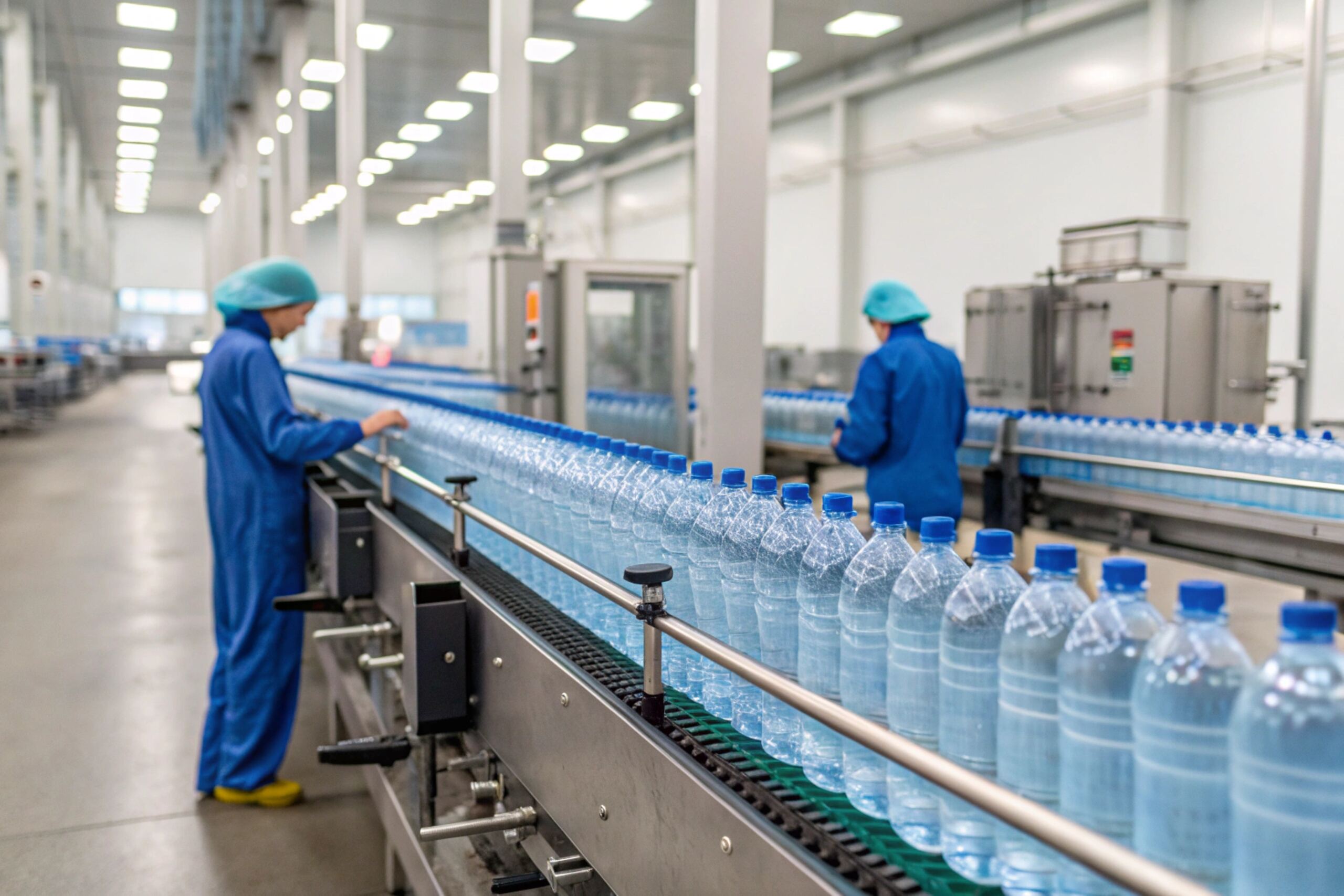
Modern bottled filling production lines demonstrate broad application prospects, with their exceptional versatility making them core equipment for transformation and upgrading across numerous industries. These highly advanced systems have long transcended traditional drinking water filling, capable of precisely handling everything from low-viscosity aqueous liquids to high-viscosity thick sauces. Compatible with containers ranging from PET and glass to metal, they provide scalable growth solutions for enterprises of varying sizes.
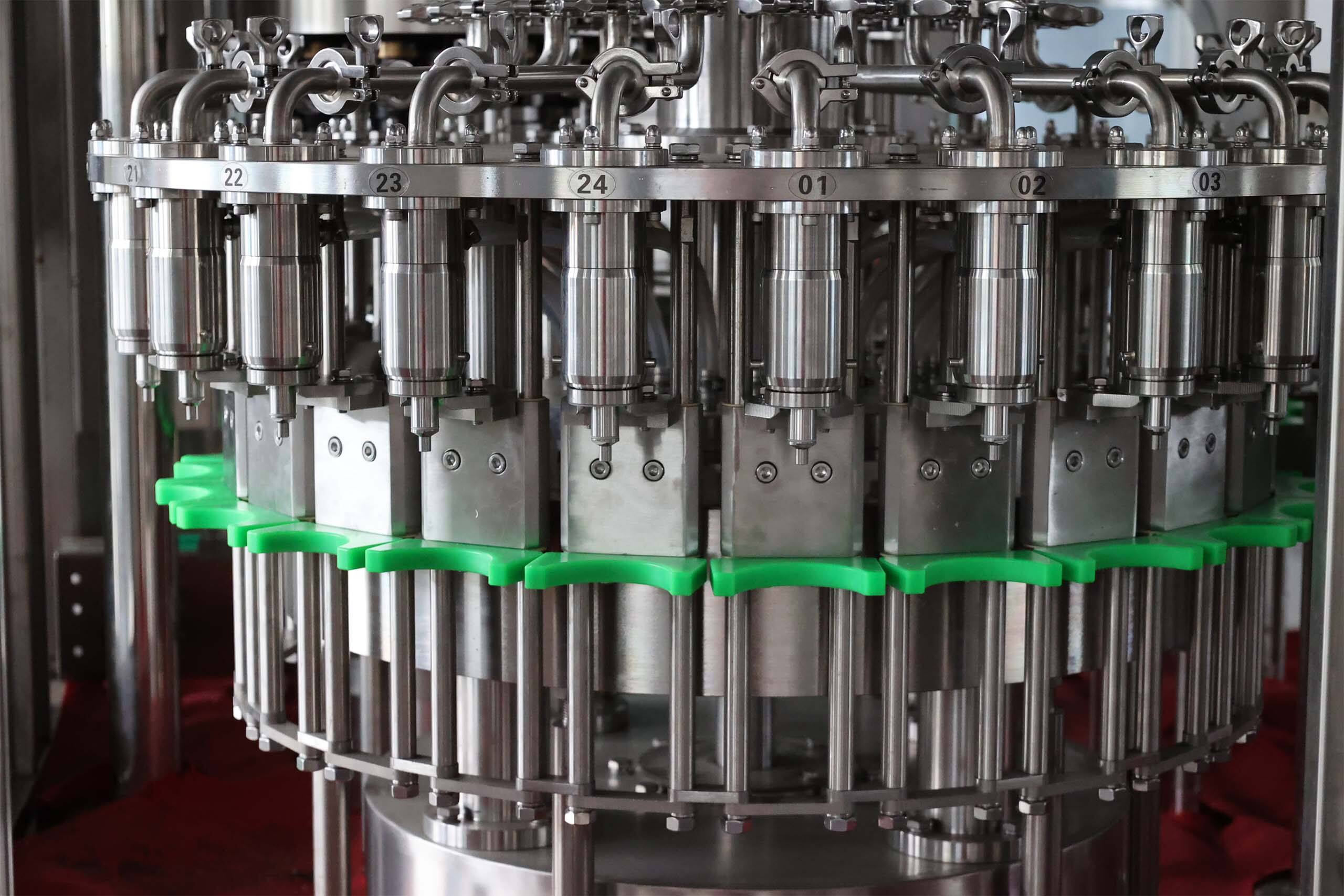
In the high-demand beverage sector, filling lines serve as the absolute backbone. They efficiently meet market needs for purified water, mineral water, carbonated soft drinks, and sparkling water while ensuring precise and stable carbonation levels in fizzy beverages through isobaric filling technology. Simultaneously, addressing the booming health beverage market—including juices, nut milks (oat milk, almond milk), and similar products—the production line can utilize hot filling or aseptic cold filling processes. These methods excel at preserving nutrients and extending shelf life without relying on preservatives.
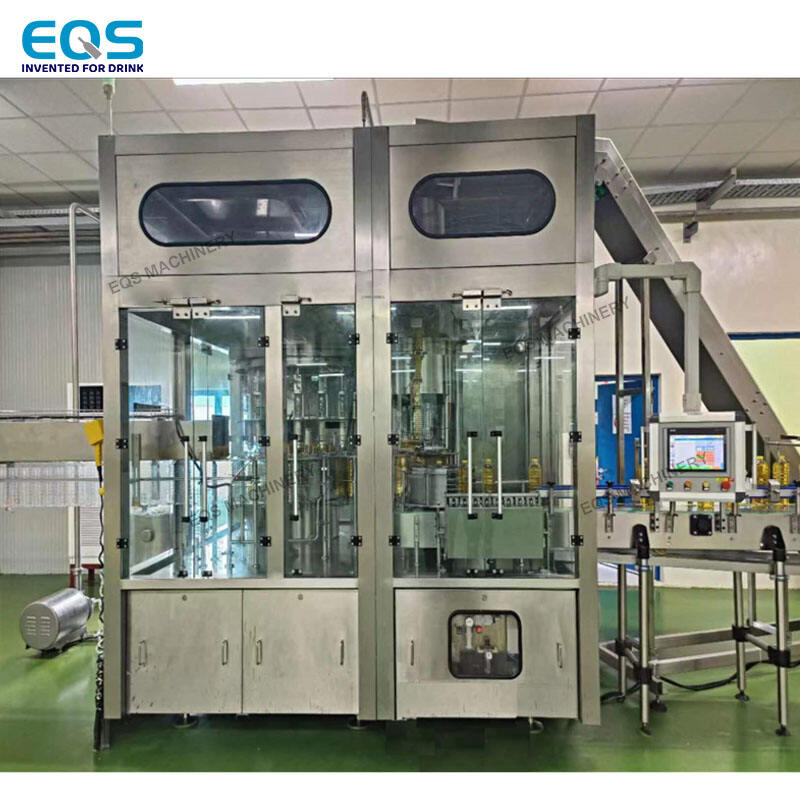
The application prospects of bottled filling equipment also extend deeply into the food and condiment sectors. Whether supplying edible oils, soy sauce, vinegar for the catering and retail markets, or higher-viscosity condiments like ketchup and mayonnaise, modern filling systems handle them with ease. Their robust design processes products ranging from free-flowing liquids to sauces containing particulates, achieving precise metering and significantly reducing material waste.
For the pharmaceutical and cosmetics industries, where hygiene and safety standards are exceptionally stringent, the importance of filling lines is self-evident. In pharmaceuticals, they are used to produce liquid formulations such as syrups, suspensions, and disinfectants. The entire system employs pharmaceutical-grade stainless steel (e.g., 316L) and integrates CIP (Clean-in-Place) and SIP (Sterilization-in-Place) functions to ensure compliance with strict GMP (Good Manufacturing Practice) requirements. In personal care, the focus shifts to gently and precisely filling high-value products like lotions, shampoos, and serums.
Furthermore, filling lines play a critical role in chemical and industrial applications. They safely and efficiently package cleaners, disinfectants, lubricants, and agricultural chemicals. Equipment is constructed from corrosion-resistant materials and offers explosion-proof options for handling corrosive or volatile substances.
Looking ahead, filling technology's prospects extend into emerging markets. For instance, in the rapidly growing legal cannabis beverage and extract market, production lines ensure precise dosing and high-quality packaging for these high-value products. Similarly, within the sports nutrition and functional beverage sector, demand is rising for filling small-volume, high-value products like energy drinks, protein beverages, and vitamin-enriched drinks.
In summary, regardless of your product's liquid type, packaging format, or production scale, modern bottling and filling lines serve as the core driving force in the packaging process. Their application prospects are boundless. Investing in a flexible, scalable filling solution is not only a crucial step toward production automation but also safeguards your business's future, ensuring rapid adaptation to emerging consumer trends and seizing new market opportunities as they arise.

“The Leap from Manual to Automation: The Key to Business Growth”

“The Leap from Manual to Automation: The Key to Business Growth”
Copyright © JIANGSU EQS MACHINERY CO.,LTD