EN
EN


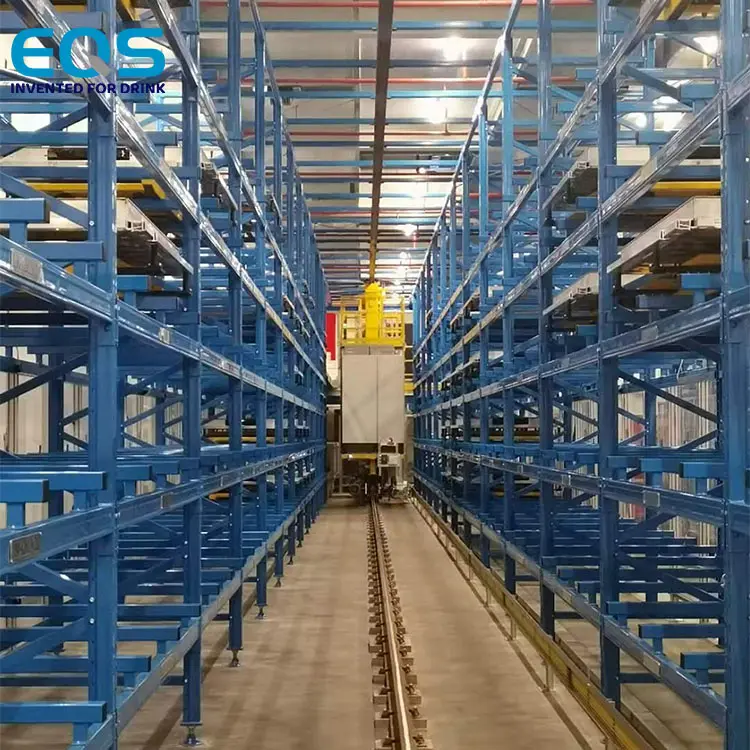
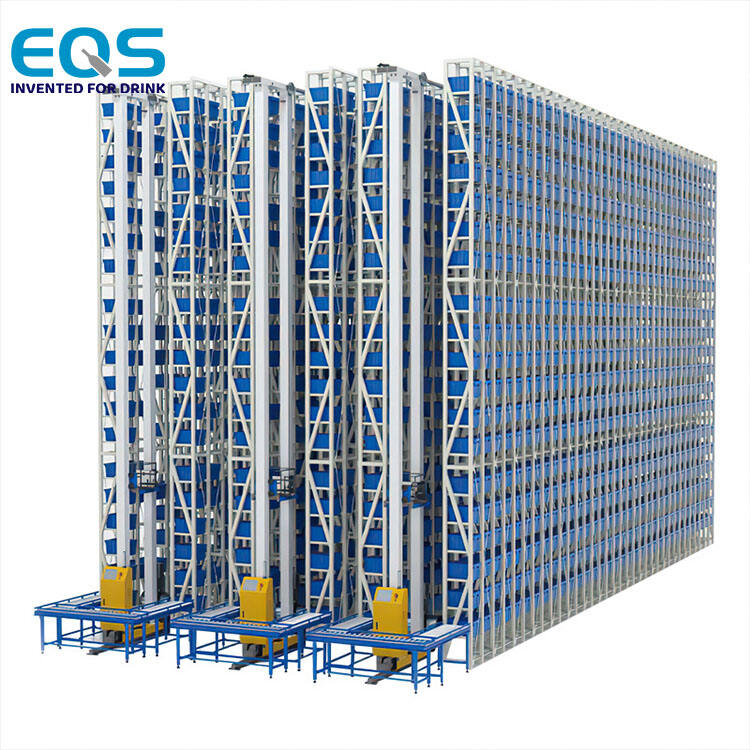
Automated warehousing systems have transcended the boundaries of traditional warehouses, becoming a global efficiency revolution sweeping across industries. Their core value lies in replacing cumbersome, error-prone manual operations with precise, efficient software-driven processes, bringing disruptive changes to corporate operational models.
In core industrial sectors, automated systems serve as the backbone for tackling modern challenges. For e-commerce and retail distribution centers, they power same-day delivery commitments. Through “goods-to-person” technology and autonomous mobile robots, order sorting efficiency multiplies even during peak seasons. In manufacturing, automated systems underpin just-in-time production, ensuring precise component sequencing and direct delivery to assembly lines to minimize downtime. For third-party logistics providers, high-density storage solutions enable the management of vast inventories for diverse clients within limited spaces, facilitating flexible, traceable, and customized workflows.
Simultaneously, automation technology is rapidly advancing into new frontiers. In cold chain logistics, fully automated systems operate continuously in extreme cold environments, significantly reducing energy consumption while ensuring personnel safety. The aerospace and automotive manufacturing sectors rely on heavy-duty automated access systems to safely handle high-value, oversized components. The medical and pharmaceutical industries meet stringent regulatory requirements through cleanroom-compatible automation solutions, enabling pinpoint management of pharmaceuticals from batch to expiration date. Additionally, in tool and material management, smart automated storage cabinets effectively prevent asset loss through access control and real-time tracking.
Looking ahead, automated warehousing systems hold even broader prospects. They form the cornerstone of “unmanned warehouses” and are being integrated into urban fabric as “micro fulfillment centers” to support instant retail. More significantly, these systems will evolve into intelligent decision centers. By integrating artificial intelligence and predictive analytics, they will not only store and retrieve goods but also proactively optimize inventory layouts and anticipate demand, enabling truly intelligent supply chain management. From boosting efficiency to reshaping business models, the application prospects of automated warehousing systems are limitless.

'Significantly reduced employees' heavy physical labor and walking distances"

"Order sorting speed has more than doubled, while error rates have been reduced to near zero."
Copyright © JIANGSU EQS MACHINERY CO.,LTD