 EN
EN


Choosing the right aseptic filling process is crucial for optimizing beverage production. Understanding the nuances of dry and wet filling aids in making an informed decision.
Aseptic dry filling and wet filling primarily differ in container sterilization, environment state, and packaging adaptability. Assessing these differences helps manufacturers select the process that best aligns with their operational requirements.
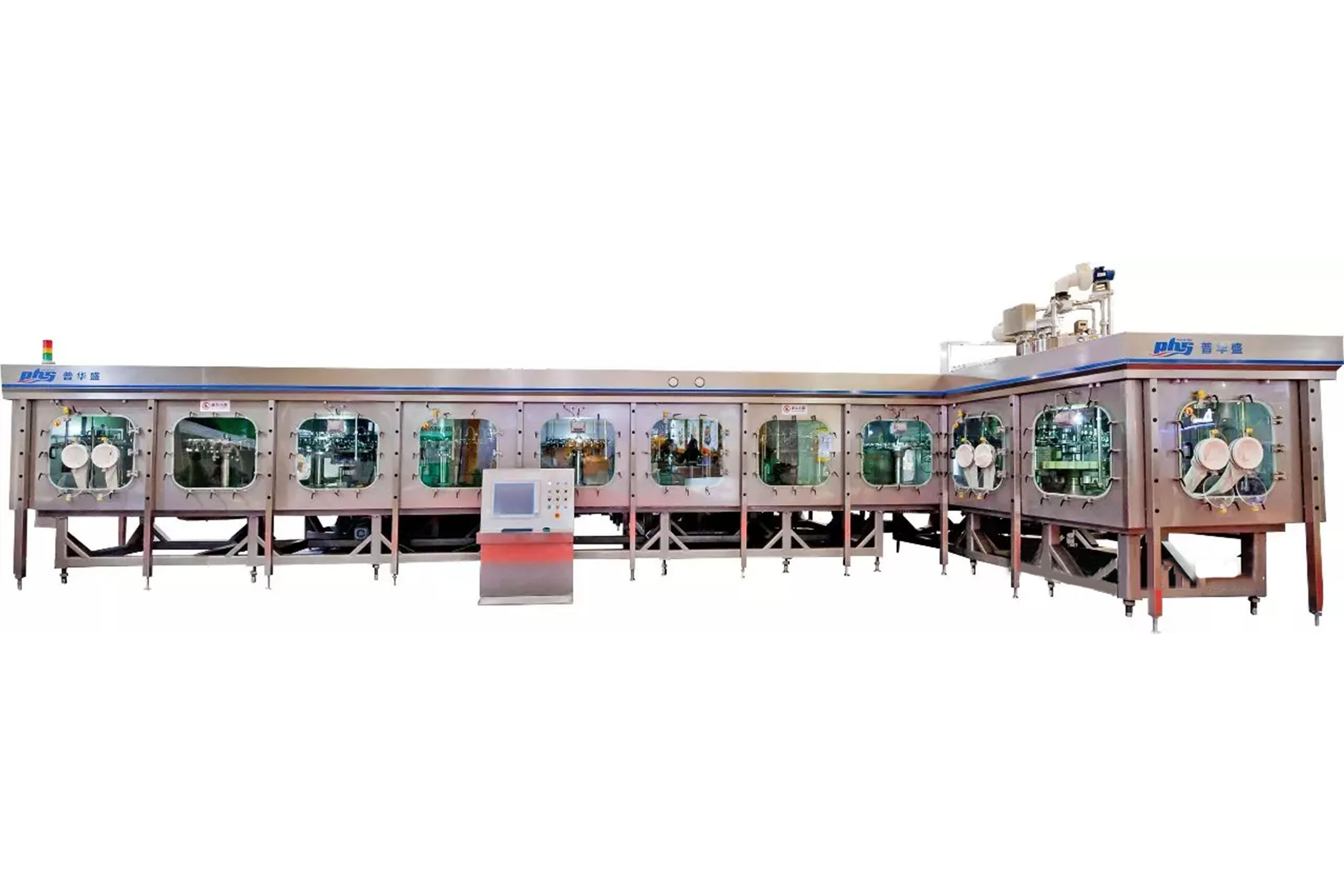
Delve deeper into these processes and discover which may better suit your production needs.
Each process offers unique benefits. Their suitability hinges on distinct operational factors.
Aseptic dry filling sterilizes containers using high-temperature, dry steam, ensuring a bacteria-free environment without moisture. Conversely, wet filling uses liquid sanitizers and sterile water streams as sterilization agents, creating a more humid environment suited to certain packaging types.
| Aspect | Aseptic Dry Filling | Aseptic Wet Filling |
|---|---|---|
| Sterilization Method | High-temp dry steam | Liquid sanitizers and sterile water |
| Environment State | Dry, less humid | Humid, moisture-rich |
| Packaging Adaptability | Suitable for heat-resistant, rigid packaging | Adapts well to flexible and delicate containers |
Understanding these differences provides a basis for selecting an appropriate method based on specific needs.
Processing environment significantly impacts output quality. The choice of sterilization method influences this.
Dry filling's high-temperature steam ensures rapid container sterilization and is energy efficient, offering a contaminant-free environment. Wet filling's liquid sanitizers provide thorough decontamination but require higher energy consumption due to moisture management, impacting production costs and environment suitability.
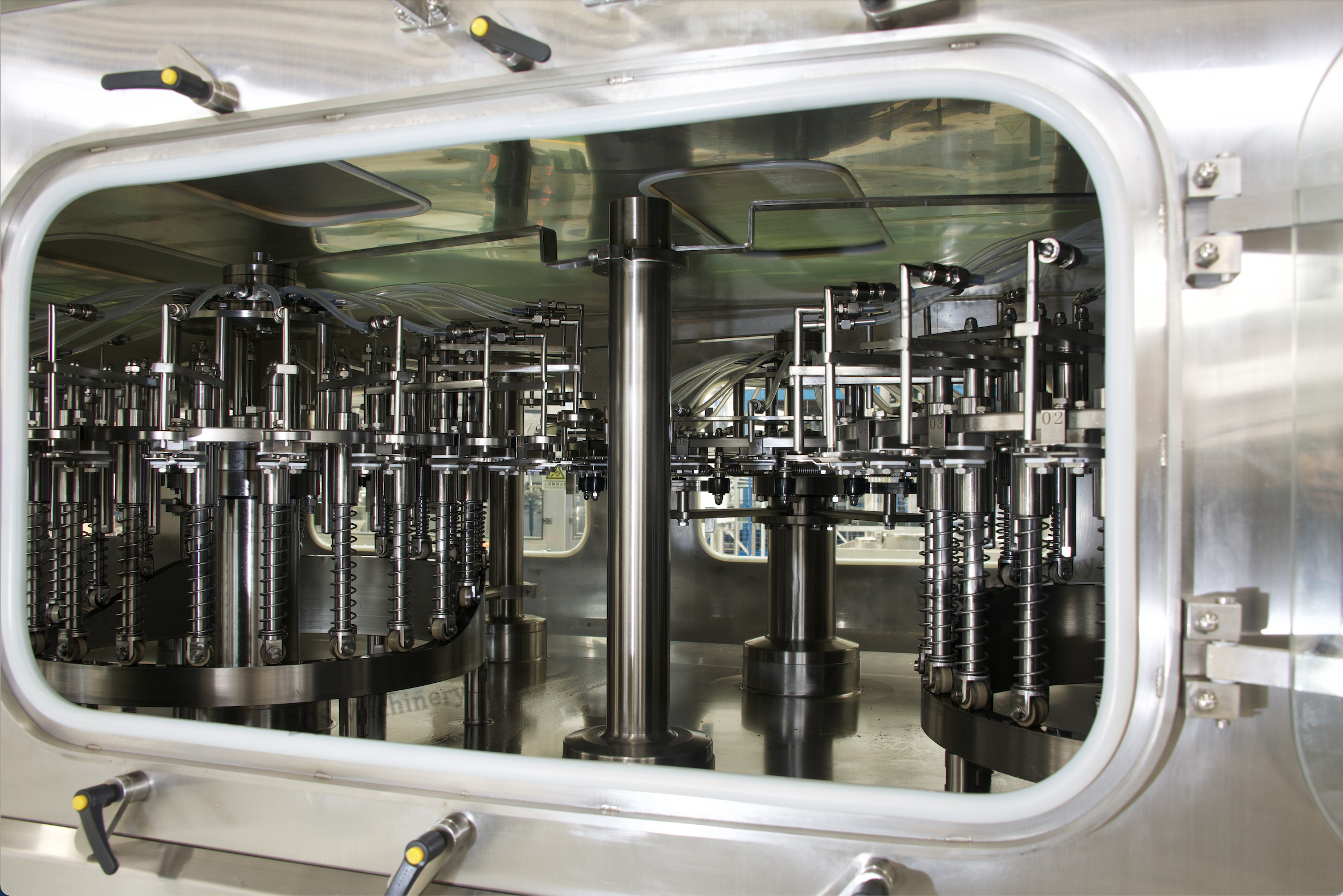
These considerations can dictate operational efficiency, cost, and product safety.
Container adaptability affects production choices. The environment plays a pivotal role.
Dry filling's low humidity complements rigid and heat-resistant containers, while wet filling's moisture-rich conditions are ideal for flexible, non-heat-sensitive packaging. This adaptability can facilitate innovation in packaging design, aligning with market demands for versatility.
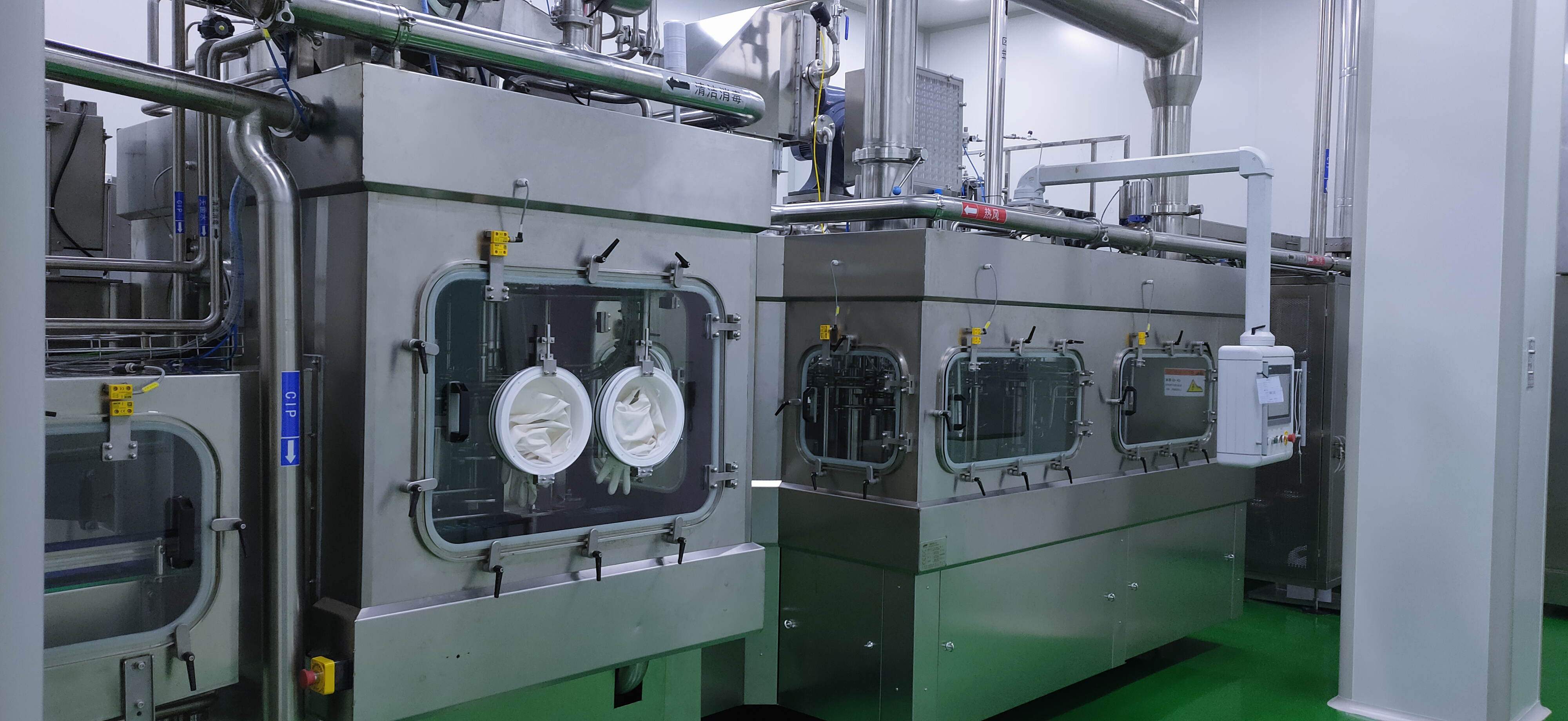
Analyzing cost components aids strategic decisions. Efficiency and resource use influence economics.
Dry filling is often more energy efficient, reducing operational costs with minimal water requirements. Wet filling, while effective, incurs higher costs due to energy and water use for sterilization and maintenance of a humid environment.
An informed decision based on cost efficiency can streamline budget planning and enhance profit margins.
Understanding the key differences between aseptic dry and wet filling processes enables beverage manufacturers to choose the optimal filling method for their unique production needs.
Copyright © JIANGSU EQS MACHINERY CO.,LTD