 EN


What Temperature Window Makes the Hot Fill Juice Process Safe?
For many acidic beverages, the hot fill juice process is discussed in a range of roughly 82–88°C (180–190°F). That is an industry reference range, not a universal safe recipe or a minimum filling temperature. The safe window for a particular juice is the combination of product temperature, exposure time and package conditions established in its validated scheduled process. A bottle leaving the filler at a familiar number can still be unsafe if the upstream heat treatment, closure contact or hygiene controls are inadequate.
From a line-planning perspective, start with the formula and the package, then decide what the equipment must control. The process authority and the plant's food safety team should establish the limits before operators select setpoints or production begins.
Which temperature actually matters?
In a hot fill juice process, several temperatures answer different questions. The pasteurizer outlet and holding tube indicate whether the juice received its required thermal treatment for the specified time. The temperature at the filling point indicates how much heat remains when the liquid enters the container. The temperature at the closure and the time the sealed container remains hot relate to the separate package-contact step, if required by the scheduled process. None of these readings automatically substitutes for another.
Heat loss between the holding tube and the filling valve can be significant, especially during startup, slow production or a long stoppage. A control screen may show a compliant pasteurizer reading while the first bottles after a pause receive cooler product. Establish measurement locations, limits and response actions for each point identified by the validated hot fill juice process rather than relying on a single display.
Use the range as context, not a control limit
The commonly cited 82–88°C range helps frame a conversation about equipment and container selection. It does not establish that every point in that range, or every product, is safe. A validated process may specify a different treatment temperature and hold time upstream, plus a separate minimum at the filler and additional container-contact requirements. Do not copy another producer's time and temperature simply because its drink looks similar.
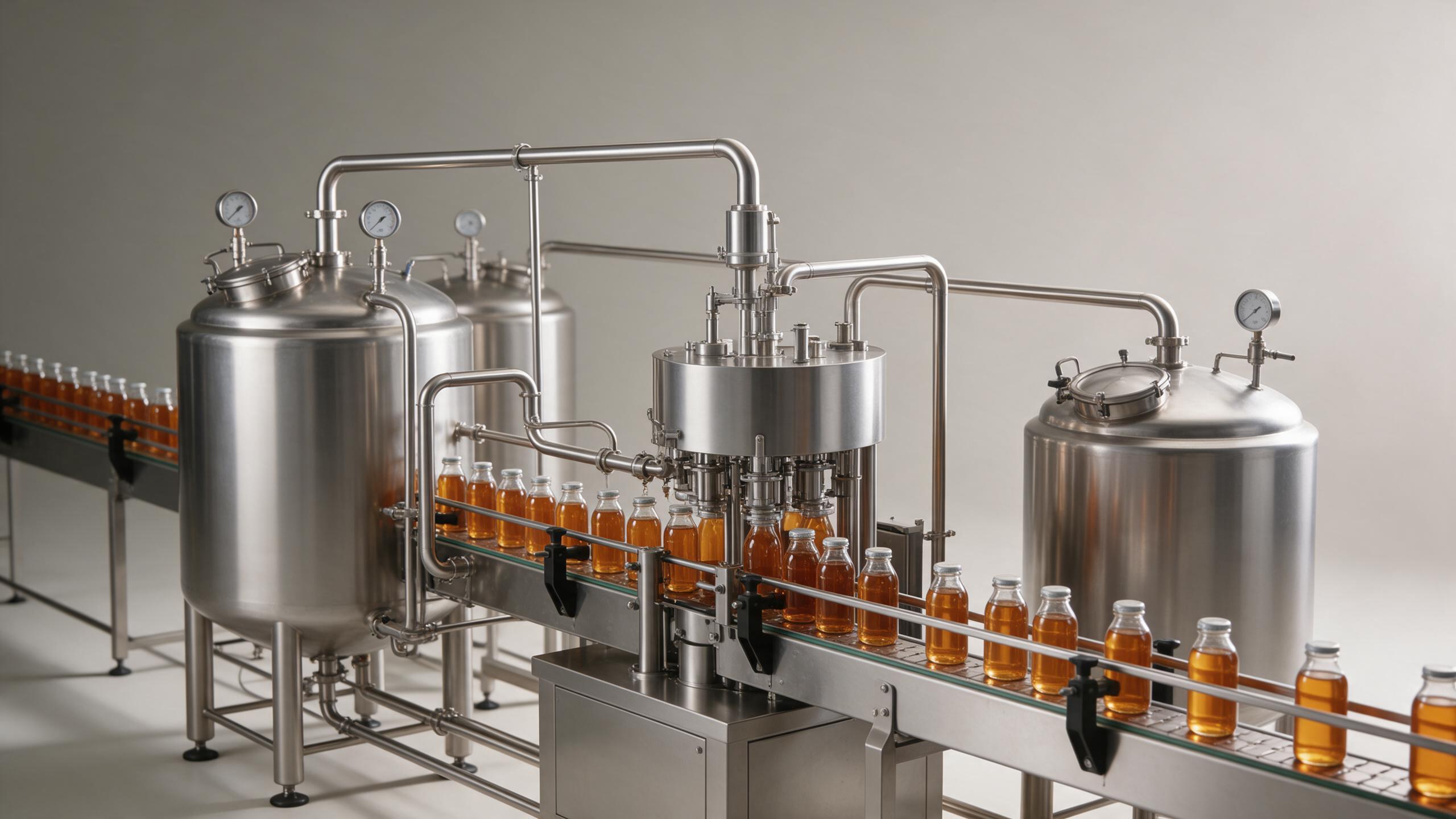
Why acidity and formulation change the answer
The hot fill juice process is generally considered for appropriately acidic products, but acidity alone does not prove a process is adequate. Measure equilibrium pH using a suitable calibrated method and consider normal variation between batches. The formula, target organisms, viscosity, pulp or particulates, sugar content, and expected storage conditions can all affect the validation. A formulation change can invalidate assumptions about heating or heat transfer.
For a low-acid juice or a blend whose finished pH makes the proposed process unsuitable, do not assume that hotter filling will make the product shelf-stable. Seek a qualified process authority's evaluation and the applicable regulatory pathway. Depending on the product, a different validated preservation approach may be required. Acidification must be designed and verified, not treated as an informal adjustment at the filler.
In the United States, covered juice processors generally must include controls that consistently achieve at least a 5-log reduction of the pertinent microorganism under the juice HACCP regulation, 21 CFR Part 120; some regulatory exemptions and different provisions apply. This is an outcome requirement, not a statement that a particular fill temperature alone achieves it. Local requirements outside the United States may differ.
Build the window across treatment, filling and closure
The hot fill juice process depends on several linked controls. First, the scheduled heat treatment specifies how hot the juice must become and for how long. Holding time depends on actual flow and system design, so a temperature reading without a verified time is incomplete. Instruments, flow controls and diversion or stop functions should be assessed as part of validation and ongoing verification.
Next, keep the product within the validated conditions through the transfer line and filler. Specify where the minimum is measured and what happens when readings fall below it. When comparing a juice filling machine, ask whether its product-contact materials, seals, temperature monitoring, controls and cleaning arrangement suit the actual scheduled conditions. Confirm capabilities against the proposed configuration rather than assuming that any machine rated for juice is suitable for hot filling.
The container and closure are part of the process too. A heat-compatible bottle and cap need to tolerate the specified thermal exposure without unacceptable deformation or loss of seal integrity. Some processes use inversion or another validated method to bring hot product into contact with closure surfaces; the orientation, contact time and temperature must follow the scheduled process. Inversion is not a universal substitute for validation and is not automatically required for every design.
Monitor the cold spots and manage deviations
Before routine production, map or otherwise assess the points where product or packaging may receive the least effective exposure. These could include transfer lines, filler components, headspace or closure surfaces, depending on the design. The study must represent the actual container, closure, line speed and operating conditions. Include startup, pauses and restart behavior, not just a steady run at the nominal speed.
For each critical limit in the hot fill juice process, identify the sensor, recording frequency, responsible operator and required action. Calibrate instruments on a documented schedule and verify alarms and diversion logic. Records should allow the team to identify which product was made during a temperature or time deviation.
If a critical limit is missed, stop or divert product as the approved procedures require, identify and hold potentially affected lots, and notify the food safety team. The disposition of affected product should follow the written HACCP plan and qualified review; do not release it merely because a later bottle reaches the target. Document the cause, corrective action and checks before restarting.
Cooling and cleaning still matter
Cooling begins only after the validated hot exposure and any required closure-contact period have been met. Cooling too early can shorten that period; excessive heat exposure can affect flavor, color or package shape. Set a cooling profile for the actual container and closure, and verify water quality and handling controls appropriate to the installation. Shelf-life claims require their own evidence.
Cleaning and sanitation also support the hot fill juice process. Heating juice upstream does not correct recontamination downstream or an inadequate seal. Review clean-in-place coverage, product-contact surfaces, valve condition, cap handling and post-process handling against the facility's hygiene program. Any changes to equipment, cleaning chemicals or procedures need an assessment and verification by the responsible team.
What to put in the equipment specification
Before requesting a quotation for a juice filling machine, prepare a short process brief. Include the proposed formula and pH range, presence of pulp, production rate, container and closure drawings, target market, and the scheduled treatment and filling limits once established. Identify the required temperature sensors, data records, alarms, product diversion, cleaning interfaces and the operating conditions to be used for acceptance testing.
Also ask the supplier and the food safety team to agree on the boundaries between the pasteurizer, transfer system, filler, capper and cooling equipment. A filler that fits the bottle is only one part of the line; its interfaces must support the validated hot fill juice process. EQS Machinery provides a starting point for discussing beverage packaging equipment, while the final process and equipment suitability require project-specific confirmation.
Bottom line: use the published temperature range to start the discussion, then work from a product-specific scheduled process. Verify temperature and time where they matter, demonstrate closure and package suitability, and maintain records that support a defensible decision whenever the process deviates.