 EN


What Cup and Bottle Formats Suit a Yogurt Filling Machine?
A yogurt filling machine can be configured for preformed cups, wider tubs or bottles, but a container is not compatible simply because its nominal volume falls within a quoted range. Cup rim geometry, bottle neck dimensions, yogurt consistency and the intended closure determine whether a particular machine can fill and close the pack. Start with a real sample and the product recipe, then ask for a container-specific trial.
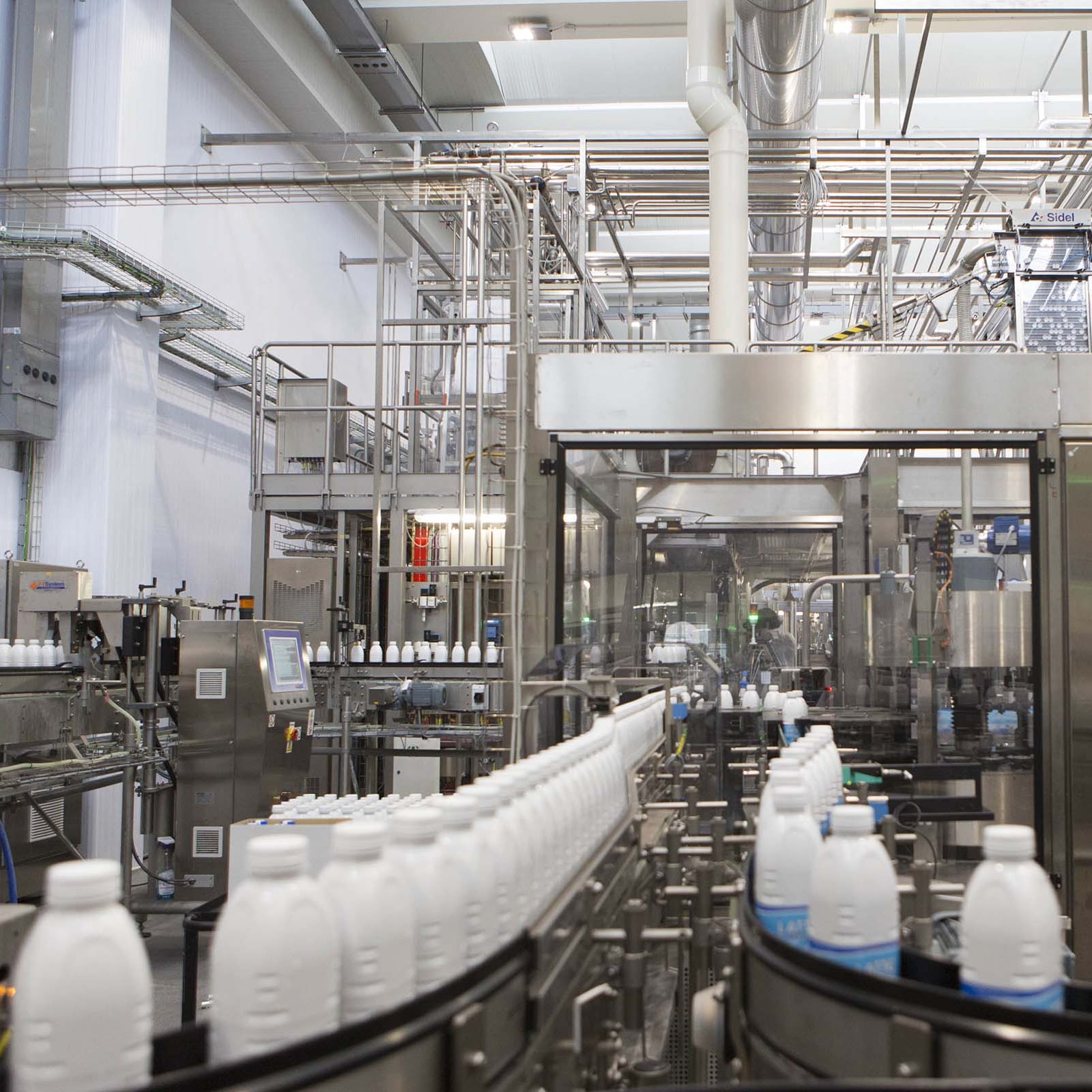
For spoonable yogurt, a wide cup or tub with a heat-sealed membrane is often a practical starting point. For drinkable yogurt, a bottle and cap can support a pourable format. Neither choice automatically fits every line: the support, filling nozzle and sealing or capping equipment must be matched to the pack.
Compare the container with the product
| Format | Typical product or use | What to verify |
|---|---|---|
| Preformed cup | Spoonable yogurt, single servings or layered products | Rim diameter and shape, cup support, membrane material and filling clearance |
| Large cup or tub | Family-size portions and thicker products | Height and weight support, dose range, seal head size and downstream handling |
| Bottle | Drinkable yogurt or pourable cultured drinks | Body stability, opening and neck finish, nozzle fit and cap application |
| Wide-mouth bottle or jar | Pourable or spoonable products, depending on the opening | Handling guides, fill access and closure compatibility |
These are format categories, not a list of approved containers for a specific yogurt filling machine. Material matters too: the chosen cup, film, bottle and cap must be suitable for the product and the intended distribution conditions. Obtain food-contact documentation from the packaging suppliers and confirm the sealing combination on actual samples.
Which cups are easier to specify?
Preformed cups arrive with their shape already made. A cup-oriented yogurt filling machine may separate and position them, dose the product and seal the rim. Different machines use different arrangements, so ask how your exact cup will be held at each station. A flexible wall, an unusual shape or a deep cup can need a different holder or guide even when another cup has the same stated volume.
Measure the outside rim, flange width, height, base and taper. For a non-round pack, provide a drawing as well as physical samples. The rim must sit consistently under the sealing head; an uneven or contaminated sealing area can lead to defects. Agree on the seal material and inspection method with both the packaging and equipment suppliers.
Foil, film and additional lids
Cups may be closed using pre-cut membranes or material supplied on a roll, depending on the machine and packaging design. Some packs also have a separate over-lid. A yogurt filling machine intended for one arrangement does not necessarily handle the other without changes. Check the seal layer against the cup material and validate the settings, seal integrity and peel behaviour with the actual combination.
For layered yogurt, separate dosing stations can place fruit or another component before or after the yogurt. This is a configuration to discuss, not a standard feature. Provide the particle size and the desired layer sequence, and ask for a trial that checks both appearance and dose consistency.
When does a bottle make sense?
Bottles are worth considering for products meant to be poured or consumed as drinks. For this format, a yogurt filling machine must manage the whole bottle, not just the opening. Supply drawings for the neck finish, overall height, body diameter and base, plus the actual cap. A tall narrow container may need specific guides to remain stable while moving between filling and capping.
The nozzle must enter or sit above the opening as designed without creating unacceptable splashing or product build-up. A wider mouth can offer more room for a thicker product, but it does not by itself prove that the recipe will flow at the required rate. Ask whether the capper, cap feeder and any induction seal arrangement are included in the proposal. If a tamper-evident closure is needed, specify the whole closure system rather than assuming a cap alone provides it.
Can a milk line handle drinkable yogurt?
A Milk filling machine configured for a thin liquid should not be assumed to handle cultured products without changes. Viscosity, filling temperature, foam, particles and cleaning requirements can differ. Ask the supplier to assess the product path, dosing method, valves and closure system against your recipe. A test of the yogurt filling machine with production-representative yogurt is more useful than a water-only demonstration.
Match the yogurt, not just the package
A yogurt filling machine must be assessed at the expected filling temperature and consistency. Thick stirred yogurt, a drinkable formulation and a product with fruit pieces can behave quite differently through the same pipe and nozzle. Share the range of operating conditions rather than one nominal figure, including how the product changes between batches and how it is supplied to the filler.
Where texture matters, discuss the pump, valves and flow path with the equipment and process teams. Ask for a trial that examines appearance and texture before and after filling, as well as dose variation and nozzle dripping. For fruit pieces, identify the largest expected pieces and their proportion; confirm that the proposed path can handle them without unacceptable damage or blockage.
Hygiene is equally important. A yogurt filling machine should be evaluated together with the plant's cleaning method, product-contact materials and access for inspection. Determine which components are cleaned in place, which require removal, and who validates the procedure. The required hygiene level and shelf life depend on the product, process, packaging and local rules; a particular container or machine label alone does not establish them.
Plan changeovers before choosing a shared line
If several cup sizes are planned, list every diameter, height and lid combination. A yogurt filling machine may need different holders, guides, dosing settings or sealing tools for each. Ask which parts are supplied, which are optional, how the adjustments are documented and how long the changeover takes under agreed conditions.
Switching from cups to bottles is a larger question than changing the dose. Cup denesting and rim sealing differ from bottle conveying and cap application. A shared yogurt filling machine may be possible only with specific equipment or modules; in other projects, separate lines may be the more workable choice. Compare the full equipment scope and cleaning time, not just the footprint of the filler.
Also review the line around the filler. Container supply, product feed, coding, inspection and secondary packing all affect usable output. A quoted machine rate is not the same as finished packs per shift. Ask suppliers to state the container, product, operating conditions and included downstream equipment behind each rate.
What should buyers send for a meaningful trial?
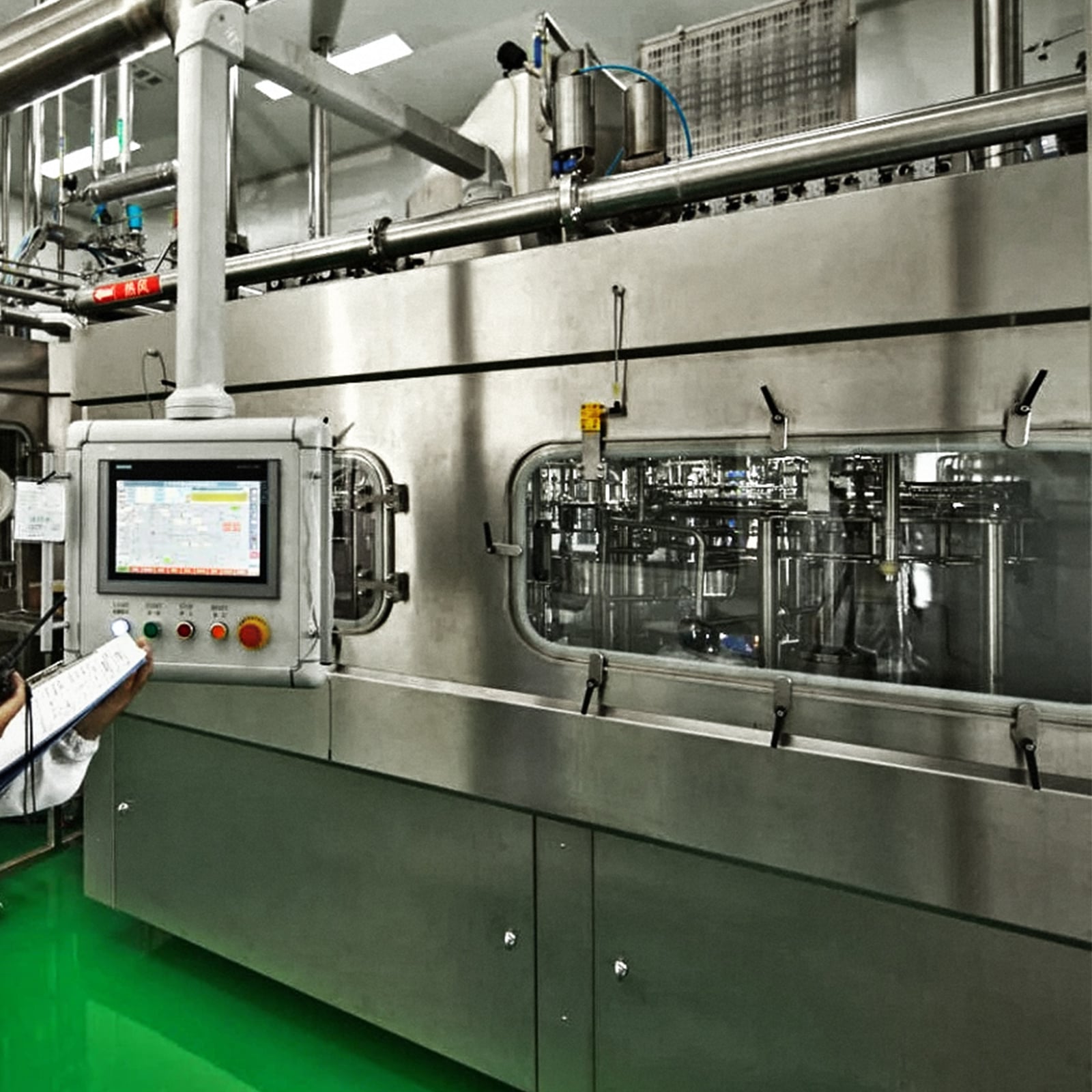
Give each supplier the same information so that proposals for a yogurt filling machine can be compared on the same basis. A practical trial brief includes:
- Representative empty cups or bottles, drawings, packaging material specifications and closure samples for each format.
- The target fill quantity and allowable variation, together with the measurement method and sample plan.
- Recipe and expected temperature range, texture, particle details and product-feed conditions.
- Required sealing or capping arrangement, seal inspection and closure checks.
- Target output expressed in finished packs per hour, product change frequency, cleaning approach and available utilities.
- Acceptance criteria, responsibilities and the cost of format parts, setup and training.
Run the agreed trial with the actual product and packaging where feasible. Inspect fills, seal or cap results and container stability through the downstream equipment. Record any adjustments and unresolved issues before purchasing. EQS Machinery works in beverage filling equipment; discuss the intended yogurt format and obtain written confirmation of the proposed machine's scope and suitability before making a selection.