 EN
EN


Beverage plants lose profit fast when a line stops. I see the same problem again and again: small faults grow into long delays, and one machine issue can slow the whole plant.
The main causes of downtime in beverage production lines are packaging material jams, seal and valve wear in fillers, sensor false triggers, changeover time, and CIP delays. In most plants, unplanned filler and capper downtime creates the biggest production loss.
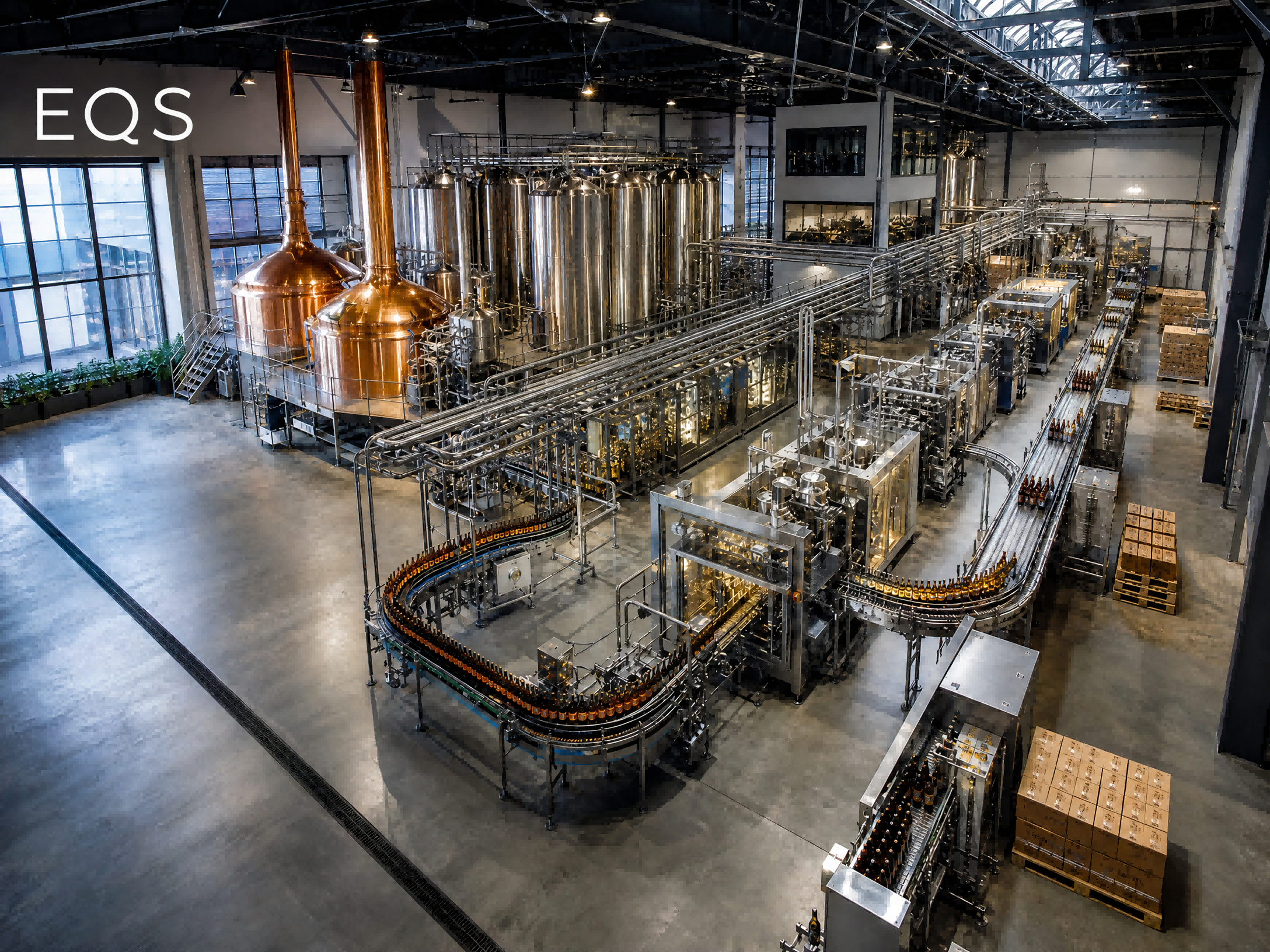
I often talk with buyers who think downtime is only a machine problem. In fact, downtime is a system problem. It comes from equipment, materials, people, and cleaning steps. If you understand where the stop starts, you can reduce loss much faster.
When packaging does not move smoothly, the whole line can stop in seconds. I have seen this happen with bottles, caps, labels, cartons, and film. One small jam can block the upstream and downstream machines.
Packaging material jams happen when bottles, caps, labels, cartons, or film do not feed at the right speed or in the right position. This creates line stops, rejects, and manual intervention.
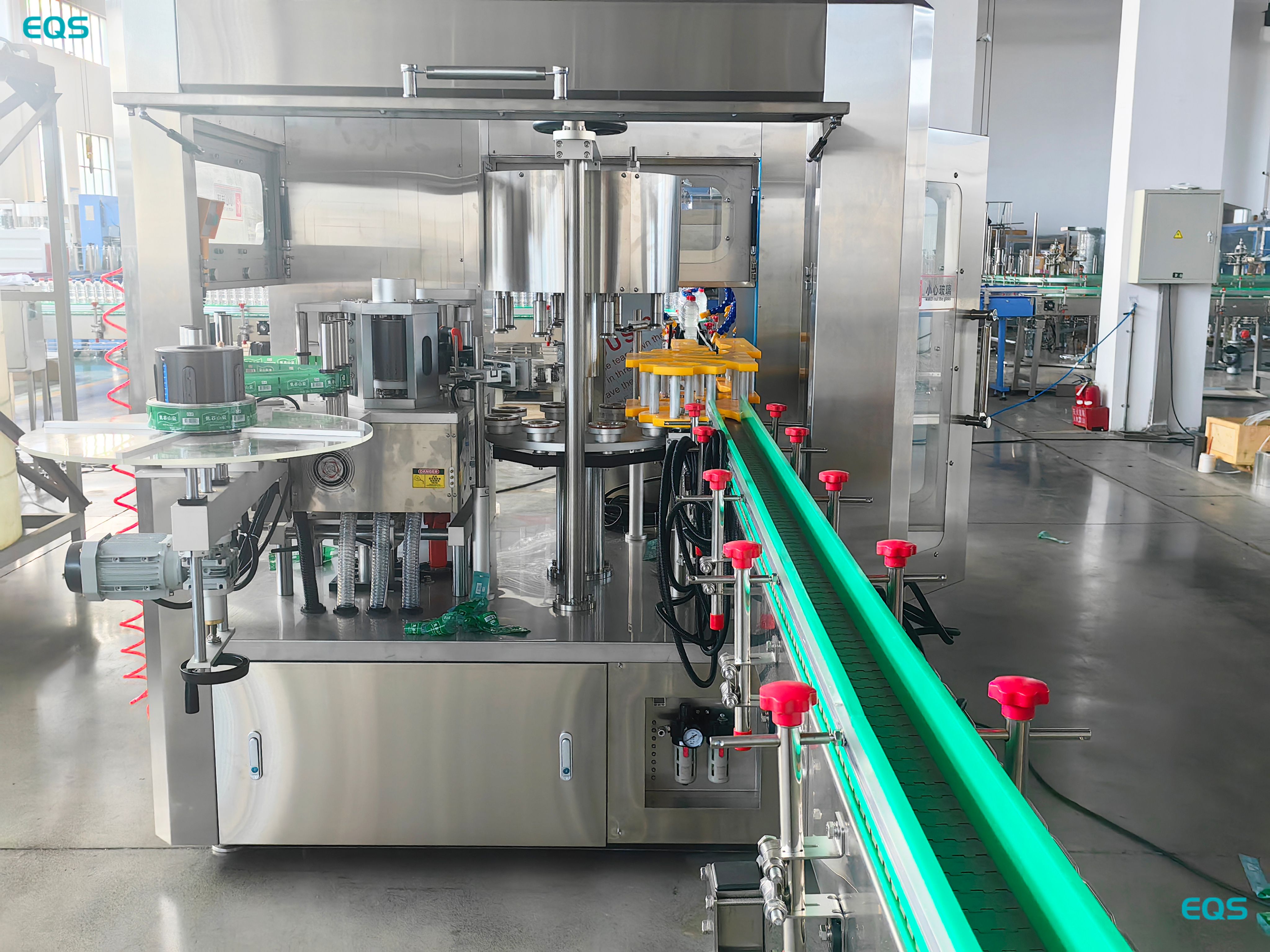
Packaging material must match the machine design. If the bottle shape is unstable, the conveyor can push it off line. If the label roll is not aligned, the labeler can stop. If the film tension is wrong, the wrapping machine can jam. I always tell buyers that the machine and the package must fit together. A low-cost package often looks good at first, but it can create repeated downtime later.
| Jam source | What happens | Impact on production |
|---|---|---|
| Bottle shape mismatch | Bottles fall, tilt, or block the conveyor | Frequent stops |
| Cap feed issue | Caps do not enter the capper smoothly | Filler/capper delay |
| Label roll problem | Labels tear or miss the bottle | Rework and waste |
| Carton/film misfeed | Pack size is unstable | Packing line stops |
I usually start with material testing. I check bottle hardness, cap size, label glue, and film thickness. I also check conveyor speed and machine guide rails. If the plant uses a low budget line, I still recommend basic checks before mass production. This is simple work, but it saves many hours. When packaging flow is stable, the line runs better and the team can focus on output, not on constant manual fixing.
A filler works under pressure, speed, and repeated motion. Over time, seals age and valves wear. Then the machine starts to leak, fill unevenly, or stop for protection. This is one of the biggest reasons for unplanned downtime.
Seal and valve wear in fillers causes leakage, unstable filling volume, and machine alarms. These problems often stop production and create the largest hidden loss in beverage plants.
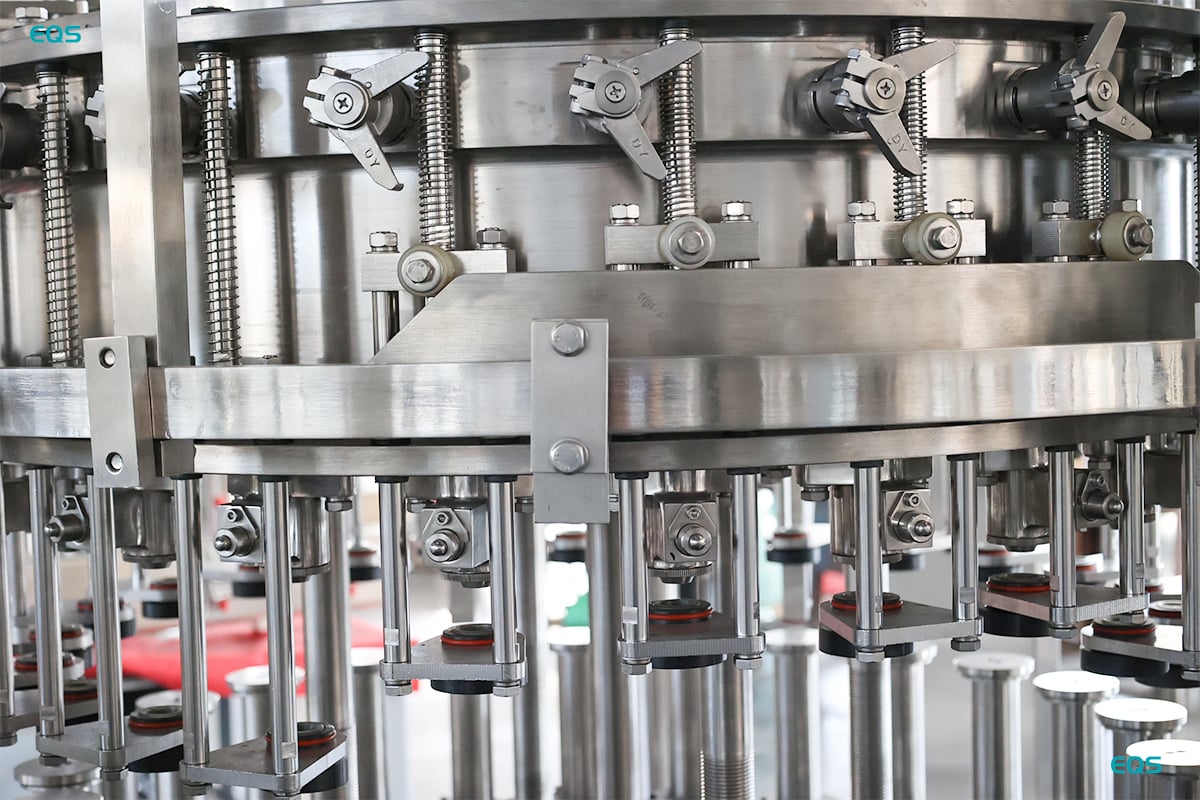
A filler is the core of the line. If it stops, the whole line stops. The capper usually waits behind it. The labeler, packer, and palletizer also wait. So one small worn part can stop many machines at the same time. I think this is why many plants underestimate filler maintenance. They see a cheap part, but they forget the cost of idle time.
| Part | Typical symptom | Result |
|---|---|---|
| Seals | Leakage or pressure loss | Filling instability |
| Valves | Slow response or blockage | Volume errors |
| Gaskets | Liquid seepage | Cleaning and safety risk |
| Moving parts | Friction and heat | More alarms |
I advise buyers to treat spare parts as part of the machine cost, not as an afterthought. A good filler needs a clear maintenance plan. The team should replace worn seals on time and inspect valves before they fail. For high-speed lines, this is even more important. If a customer wants a line above 10,000BPH, I pay even more attention to filler design and service support, because the cost of a stop becomes much higher at that speed.
Sensors and setup tasks look small, but they often create repeated pauses. A false signal can stop the line for no real reason. A long changeover can keep the line idle even when the machines are healthy.
Sensor false triggers cause unnecessary stops, and changeover time reduces available running hours. Both problems lower total output even if the machines themselves are not broken.
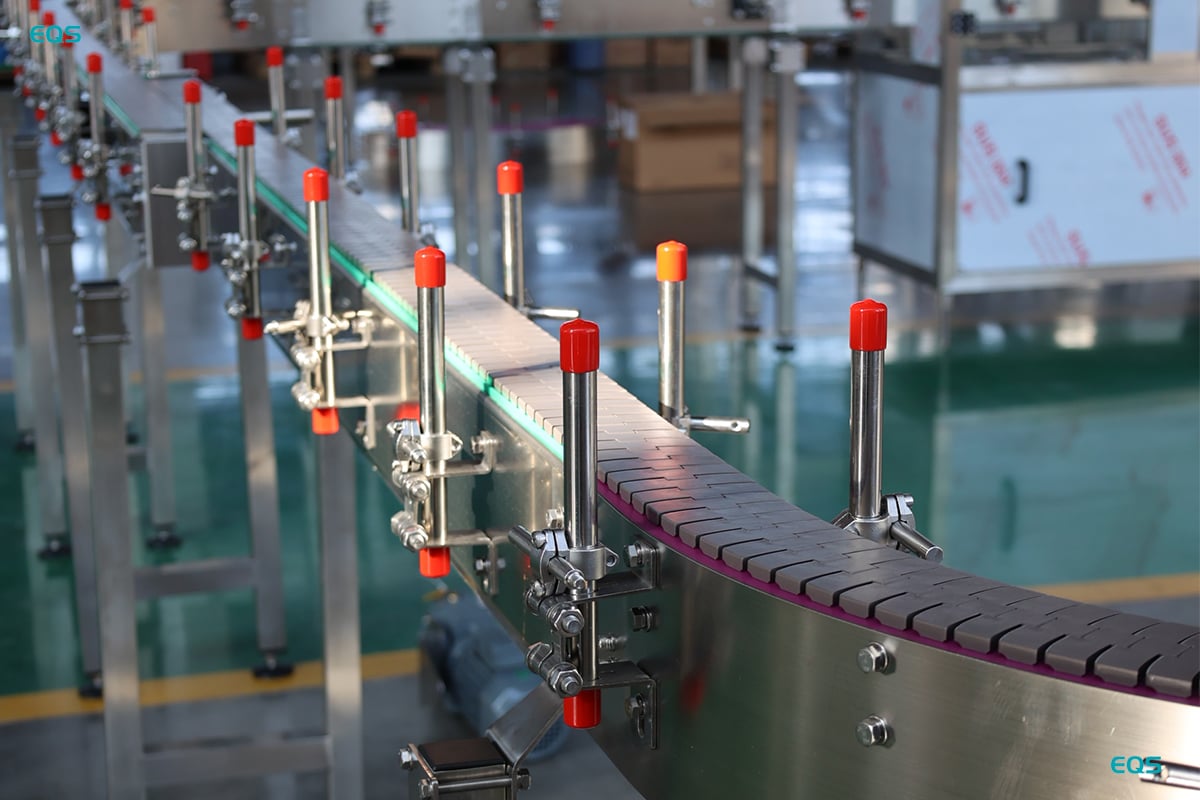
Sensors can react to dust, vibration, moisture, or poor alignment. Then the line stops and the operator checks the machine. Sometimes the stop is real. Sometimes it is only a false alarm. Changeover time also matters. When a plant switches bottle size, label type, or cap format, the team needs time to adjust guides, settings, and filling parameters.
| Cause | Why it happens | Business effect |
|---|---|---|
| False sensor trigger | Poor alignment or dirty sensor | Extra stops |
| Slow manual reset | Operator waits or checks too long | More idle time |
| Bottle format change | New product setup needed | Lower daily output |
| Cap/label change | Parts and settings must change | Longer downtime |
I always look at control logic and operator training together. A machine can have good hardware, but if the sensor setup is weak, the line still fails. I also recommend quick-change parts for plants with many SKU changes. This helps because changeover is not only a technical problem. It is also a production planning problem. If the factory switches products too often, even a good line will lose time. So I focus on both machine design and running strategy.
Clean-in-place is necessary for beverage safety, but it also takes time. If the CIP system is slow, poorly planned, or not well matched to the line, then the production schedule suffers. I see this often in plants with limited automation or weak process planning.
CIP delays happen when cleaning cycles take too long, need too much manual work, or are not scheduled well. This lowers effective line availability and cuts daily output.

Beverage production must meet hygiene standards. That part cannot be ignored. But cleaning time still needs control. If a plant cleans too often, or the CIP recipe is too slow, the line spends too much time idle. If the process is not automated, workers also spend more time waiting, checking, and connecting pipes.
| Downtime source | Direct stop? | Can it be planned? | Typical loss level |
|---|---|---|---|
| Packaging jams | Yes | Partly | Medium |
| Filler wear | Yes | Often no | High |
| Sensor false triggers | Yes | Partly | Medium |
| Changeover time | Yes | Yes | Medium to high |
| CIP delays | Yes | Yes | High |
I think the best plants treat CIP as part of production design. They do not just buy a filling machine and hope the cleaning step will work itself out. They plan tanks, valves, pipe layout, and recipe time together. If the plant sells beverages in a competitive market, it must protect quality and speed at the same time. That is why I always connect equipment choice with the full production flow.
I do not believe downtime can be removed fully. But I do believe it can be reduced a lot with better design and better service. The best line is not only fast. It is also stable.
I reduce downtime by matching the machine to the package, keeping spare parts ready, improving sensor setup, shortening changeover, and designing a clean CIP process from the start.
| Action | Purpose | Result |
|---|---|---|
| Test packaging materials first | Prevent jams | More stable flow |
| Inspect filler wear parts | Stop leakage and alarms | Less unplanned stop |
| Set sensors correctly | Avoid false triggers | Fewer interruptions |
| Use quick-change parts | Reduce setup time | Faster product switch |
| Plan CIP with production | Control cleaning time | More available running time |
For customers with a low budget, I usually focus on simple, reliable equipment and clear maintenance habits. For customers with medium capacity, like 2,000BPH to 10,000BPH, I often recommend a three-in-one filling machine because it gives a good balance of speed and cost. For higher output above 10,000BPH, I may suggest blow-fill-cap systems because they improve integration and reduce handling points. In every case, the goal is the same: keep the line running.
Downtime in beverage production lines usually comes from jams, wear, false triggers, changeover, and CIP delays. I focus on these points first because they create the biggest loss.
My name is Allen, and I'm an expert in filling machine technology at EQS, a leading liquid packaging solution provider based in China. If you're looking for top-quality equipment for your production line, feel free to reach out to me at [email protected]. We specialize in providing customizable solutions with cutting-edge technology.
Copyright © JIANGSU EQS MACHINERY CO.,LTD