 EN
EN


Apabila mesin pengisian mengalami percikan atau tidak mencapai isi padu sasaran, saya tahu masalah ini bukanlah perkara kecil. Ia membazirkan produk, menjejaskan keuntungan, dan menghasilkan kawalan kualiti yang buruk. Saya telah melihat keadaan ini menukar satu talian pengeluaran yang baik menjadi sakit kepala harian.
Untuk memperbaiki ketidakakuratan mesin pengisi, saya fokus pada lima perkara: kalibrasi berkala, pilihan muncung yang sesuai, kawalan produk dan persekitaran, pemeriksaan komponen secara teliti, dan latihan operator yang lebih baik dengan SOP yang jelas.
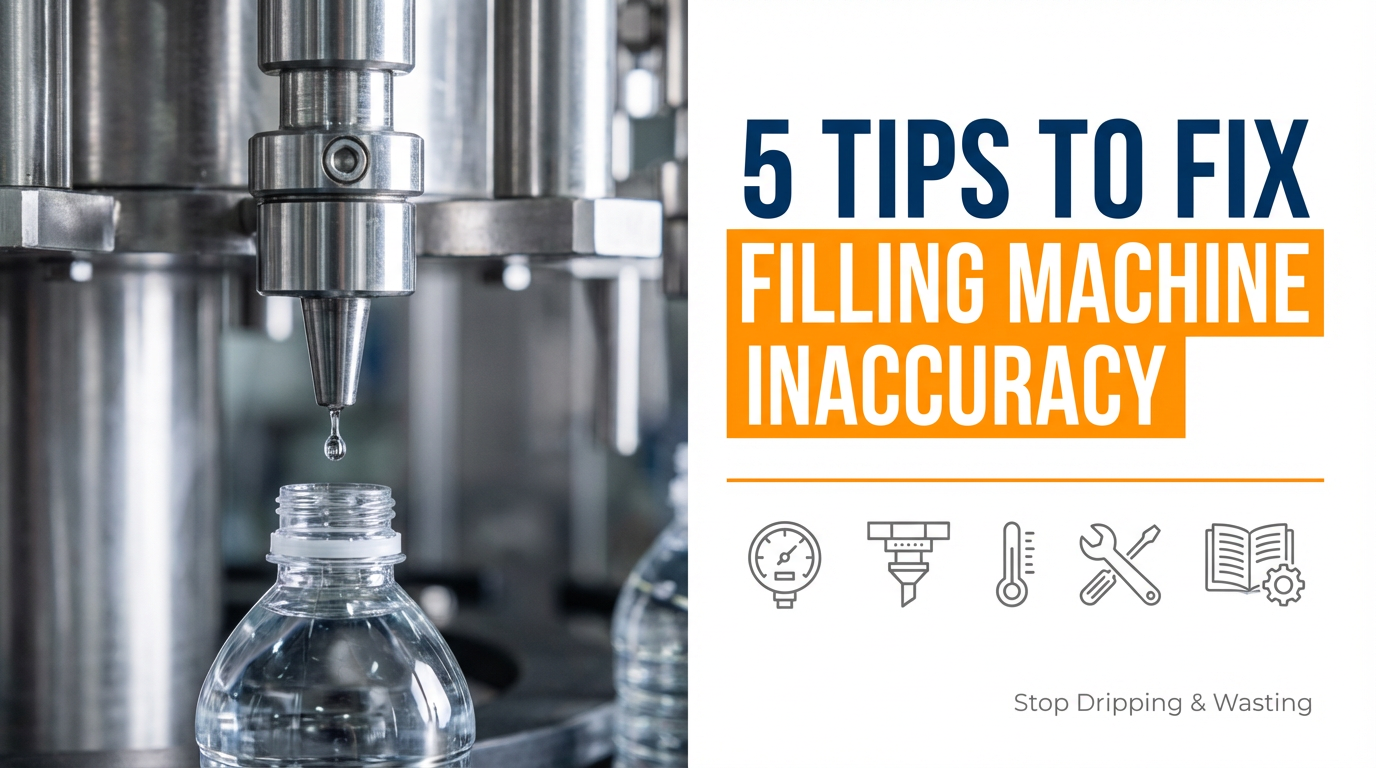
Saya bekerja dengan pembeli yang menghendaki output yang stabil dan sisa buangan yang lebih rendah. Berdasarkan pengalaman saya, ketepatan bukan sahaja bergantung pada mesin itu sendiri, tetapi juga pada cara mesin tersebut dipasang, digunakan, dibersihkan, dan diselenggarakan. Jika saya memperbaiki kelima-lima aspek ini, talian pengeluaran menjadi jauh lebih stabil.
Ralat pengisian kecil boleh berkembang menjadi kerugian besar. Titisan kecil di muncung boleh menimbulkan kos setiap hari. Kesilapan kecil dalam tetapan juga boleh menyebabkan pengisian kurang atau berlebihan, yang seterusnya memberi kesan terhadap keuntungan dan kepercayaan pelanggan.
Saya menghentikan titisan dan pembaziran dengan memeriksa mesin secara kerap, memilih muncung yang sesuai, mengawal cecair, memeriksa komponen, dan melatih operator untuk mengikuti satu proses yang jelas.
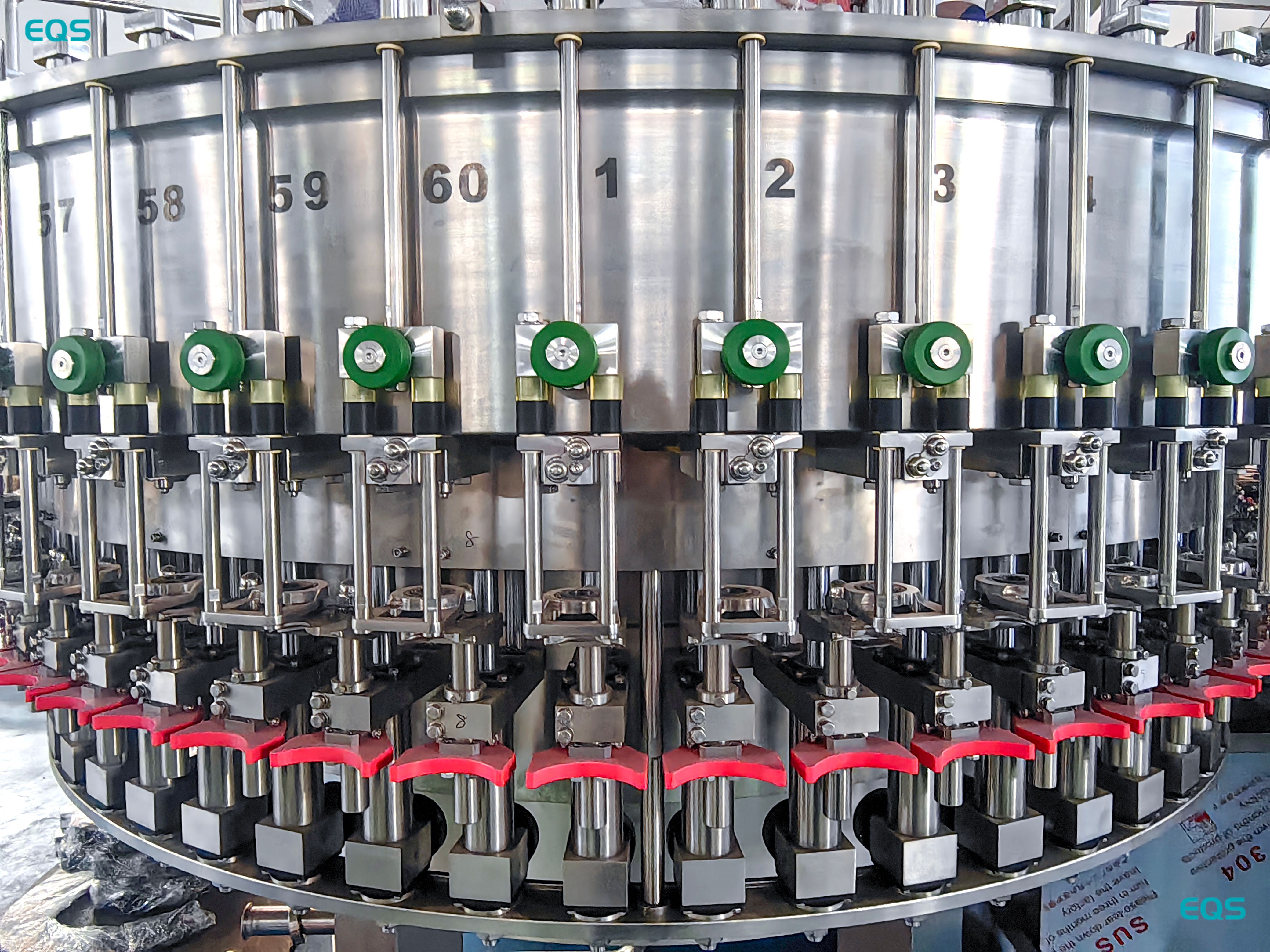
Kalibrasi adalah perkara pertama yang saya semak kerana saya perlu memastikan mesin mengukur isi padu yang betul. Jika mesin tidak dikalibrasi, setiap botol boleh menjadi tidak tepat dengan cara yang sama. Keadaan ini kelihatan stabil, tetapi masih menyebabkan kehilangan.
Saya mengesyorkan jadual kalibrasi tetap. Saya juga mengesyorkan pengesahan selepas pembersihan, selepas pertukaran produk, dan selepas sebarang pembaikan besar. Ini memberi saya gambaran jelas sama ada mesin masih tepat.
| Semak item | Mengapa ini penting | Tindakan Saya |
|---|---|---|
| Kalibrasi Isi Padu | Menjaga ketepatan isi padu pengisian | Uji dengan bekas piawai |
| Pengesahan Berat | Mengesahkan output sebenar | Bandingkan berat pengisian dengan sasaran |
| Semakan selepas penyelenggaraan | Mengesan peralihan yang tersembunyi | Ujian semula selepas servis |
| Semakan pertukaran | Mencegah ralat tetapan baharu | Mensahkan sebelum pengeluaran bermula |
Muncung mempunyai kesan langsung terhadap titisan dan ketepatan pengisian. Jika saya menggunakan muncung yang salah, produk boleh percik, berbuih, atau terus menitis selepas pengisian berhenti. Ini menyebabkan pembaziran dan botol menjadi kotor.
Saya memeriksa saiz muncung, corak aliran, dan kelajuan penutupan. Saya juga membersihkan muncung secara kerap. Muncung yang haus atau tersumbat boleh mengubah isipadu pengisian tanpa amaran. Dalam kerja saya, saya mendapati bahawa kerosakan kecil pada muncung boleh menyebabkan masalah besar pada talian pengeluaran.
Kelakuan cecair berubah mengikut suhu, kelikatan, dan aras buih. Suatu produk yang diisi dengan baik pada waktu pagi mungkin berkelakuan berbeza pada waktu petang jika suhu bilik meningkat.
Jika produk terlalu pekat, terlalu cair, atau terlalu berbuih, mesin perlu dilaraskan. Saya juga mengawal suhu bilik dan tekanan apabila memungkinkan. Ini membantu saya mengurangkan ketidaksekataan.
Saya tidak hanya bergantung pada satu bahagian sahaja. Pam, injap, segel, sensor, dan sistem kawalan semuanya mempengaruhi ketepatan. Jika satu bahagian kecil haus, hasil pengisian boleh berubah secara perlahan.
Saya menggunakan rutin pemeriksaan ringkas. Saya memeriksa kebocoran, sambungan yang longgar, segel yang rosak, dan ralat sensor. Saya juga menyimpan log penyelenggaraan. Ini membantu saya mengenal pasti corak sebelum isu kecil menjadi kegagalan lengkap.
Bahkan mesin yang baik pun boleh gagal apabila operator mengubah tetapan tanpa berhati-hati. Saya telah melihat kejadian ini berulang kali. Oleh sebab itu, saya memberikan tumpuan yang kuat terhadap latihan dan SOP.
Saya mahu operator mengikuti satu proses piawai untuk permulaan operasi, pengeluaran, pembersihan, dan penutupan operasi. Saya juga mahu mereka mengetahui rupa normal dan rupa tidak normal. Jika mereka memahami perkara ini, mereka dapat bertindak lebih cepat dan membuat lebih sedikit kesilapan.
| Fokus Latihan | Keputusan |
|---|---|
| Langkah permulaan operasi | Kurang ralat pemasangan |
| Peraturan pembersihan | Higiene yang lebih baik dan aliran yang stabil |
| Tindak Balas Loceng | Penyelesaian masalah yang lebih cepat |
| Penyimpanan Rekod | Kesesuaian jejak yang lebih mudah |
Saya sentiasa menyemak semula keseluruhan sistem apabila titisan terus berulang, apabila kehilangan produk meningkat, atau apabila ralat yang sama berulang selepas pelarasan. Dalam kes tersebut, saya tahu masalahnya bukan hanya disebabkan oleh satu tetapan sahaja. Ia mungkin merupakan gabungan pelarasan semula, kerosakan nozel, perubahan produk, dan tabiat operator.
Saya memperbaiki ketidakakuratan pengisian dengan menganggapnya sebagai masalah sistem sepenuhnya, bukan sekadar masalah mesin. Dengan pemeriksaan, latihan, dan penyelenggaraan yang tepat, saya dapat mengurangkan pembaziran dan meningkatkan kestabilan.
Memberi Tumpuan kepada Penyelesaian Lengkap untuk Pengisian & Pembungkusan Penyelesaian Lengkap & Projek Turn-key
Hak Cipta © JIANGSU EQS MACHINERY CO.,LTD