 EN


How Does an Automatic Glass Bottle Washing Machine Meet Food Safety Rules?
An automatic glass bottle washing machine can support food safety when its cleaning cycle, water supply, materials, monitoring and downstream handling are matched to the product and verified in the plant. Automation alone does not establish compliance. A bottle that looks clean may still contain chemical residue or microorganisms, while a validated cycle can be undermined by contamination on the way to the filler.
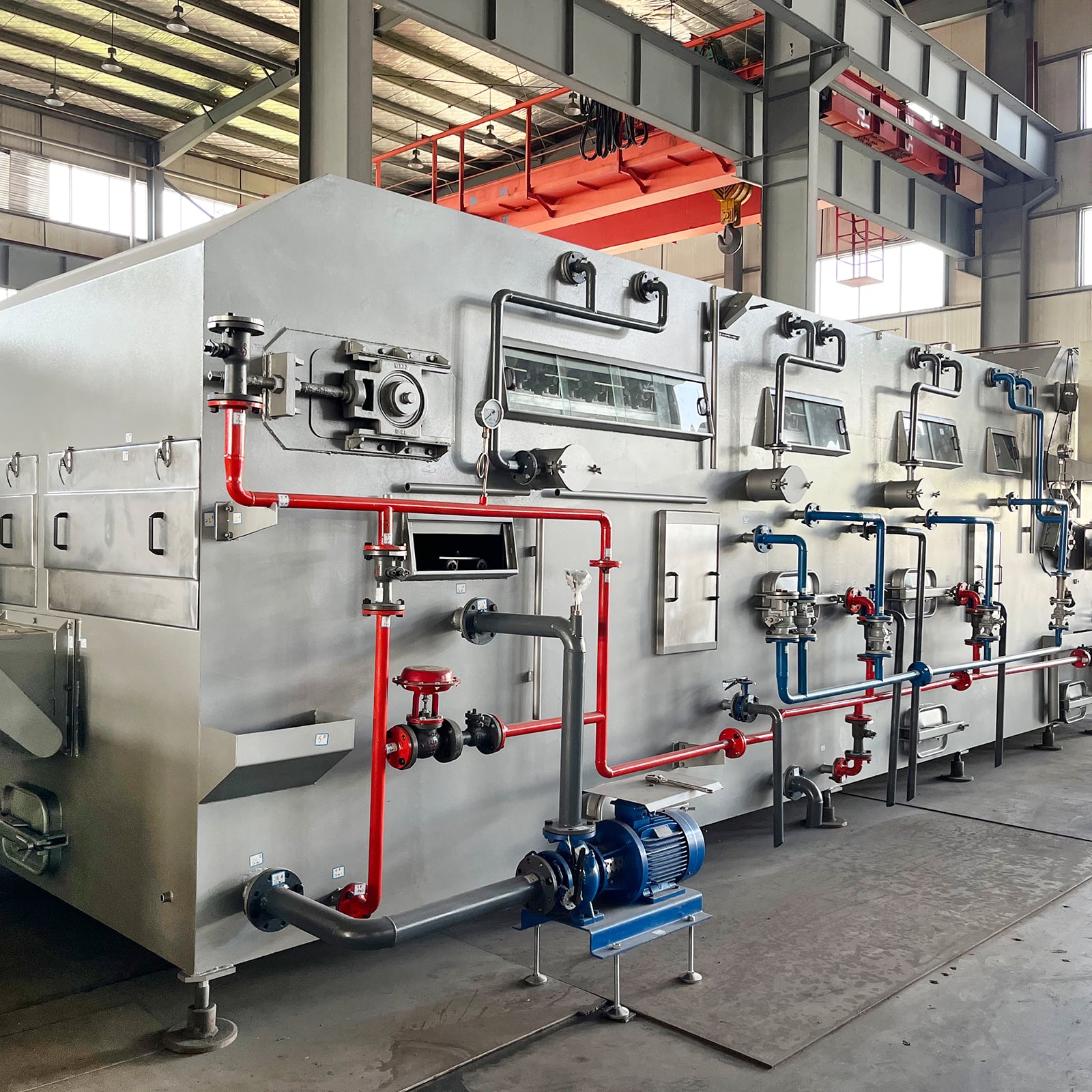
For a beverage producer, the useful question is therefore not simply whether the washer runs automatically. It is whether the complete process can consistently deliver bottles that meet the site's documented acceptance criteria. The answer depends on the bottle's prior use, the beverage, the market and the facility's food safety plan.
Start with the rules that apply to your plant
US regulatory reference for food-contact packaging and equipment
In the United States, when 21 CFR Part 117 applies, section 117.35 requires sanitary cleaning operations that protect food, food-contact surfaces and packaging materials from contamination and allergen cross-contact. Section 117.80 calls for food containers and equipment to be kept in adequate condition through cleaning and sanitizing as necessary. These are examples of facility obligations, not a certificate for a particular machine.
Sanitary requirements for process water
Section 117.37 also states that water contacting food, food-contact surfaces or food-packaging materials must be safe and of adequate sanitary quality. Other destinations may apply different legislation. Ask the site's food safety team to confirm current rules, any product-specific requirements and applicable exemptions before setting a specification.
Map hazards before selecting a wash cycle
Differentiate incoming bottle streams
An automatic glass bottle washing machine may receive new bottles, returnable bottles or both. These streams need different assessments. New containers can carry dust or glass fragments from handling; returned containers may contain dried product, labels, foreign objects or residues from unknown use. Rejecting damaged or unsuitable returns before washing reduces the load placed on later stages.
Identify and allocate hazard controls
List physical, chemical and microbiological hazards at each stage. Consider glass chips, leftover detergent, contaminated water, allergen carryover and dirty bottle-contact surfaces. Decide which controls belong at the washer and which depend on inspection, the filler or incoming-bottle handling. Record the decision rather than assuming every machine has the same capability.
Control cleaning, rinsing and sanitizing as separate tasks
Distinguish cleaning and sanitization objectives
Cleaning removes soil; sanitizing, when required, reduces microorganisms to a level appropriate to the intended use. A glass bottle washing machine may use pre-rinse, washing, intermediate rinsing and final rinsing stages. The exact sequence and whether a separate sanitizing step is needed must be determined for the process; a rinse should not automatically be described as sanitization.
Define operating windows for each treatment stage
For each stage, establish the relevant operating window: exposure time, temperature, chemical concentration, solution condition and liquid delivery. Select chemicals suitable for the intended use, follow their labels and the supplier's instructions, and confirm compatibility with bottles and machine materials. Excess heat or abrupt temperature changes can damage glass, so thermal limits and transfer conditions also need evaluation.
Implement dedicated controls for final rinse water
Final rinse water deserves its own control. Specify its source and sanitary quality, sampling point and testing frequency. Where a chemical is used, agree how residual carryover will be checked and what result will trigger a hold. A clear-looking bottle is not proof that the final rinse meets the site's criteria.
Make hygienic design inspectable
Assess accessibility and drainage of wet zones
When reviewing an automatic glass bottle washing machine, ask for drawings or a walkthrough of the bottle path and wash circuits. Can operators reach nozzles, strainers, tanks and areas where debris may collect? Can water drain without persistent pooling? Are contact materials appropriate for the intended chemicals, temperature and duration? These questions are procurement checks, not claims about any particular model.
Verify coverage, broken glass containment and zone separation
Inspect nozzle coverage for the actual bottle shape, especially narrow necks and areas that may shield residue. Confirm how broken glass is contained and removed under the equipment's safety procedures. Also review separation between incoming dirty bottles and cleaned bottles, including conveyors and transfer points. Clean bottles should not pass through a path exposed to splashes or handling from the dirty side.
Validate the process, then monitor routine production
Separate validation from ongoing verification
Validation establishes evidence that a defined process can achieve its intended result under specified conditions. Verification checks that the process is operating as intended. For an automatic glass bottle washing machine, a site plan can include representative bottle sizes, realistic soil conditions, start-up and changeover conditions, and the least favorable positions in the machine. A food safety professional should choose suitable tests and acceptance limits for the application.
Select appropriate testing methods and sampling rules
Depending on the risk assessment, evidence may include visual inspection, checks for chemical residues, water-quality testing and microbiological sampling. These methods answer different questions: visual inspection cannot demonstrate microbiological status, and a single water sample cannot establish ongoing control. Document sampling locations, methods, frequency and how results relate to the acceptance limits.
Set deviation response protocols for production
During production, operators should record the parameters the site has identified as important, check alarms and confirm that instruments are calibrated or otherwise verified. A control screen is useful only if its readings correspond to the actual process. For each deviation, define who stops or isolates affected bottles, how the potentially affected period is identified, and who authorizes rewash, disposal or release.
Protect clean bottles after the washer
Manage transfer systems and environmental exposure
The output of an automatic glass bottle washing machine is only one link in the chain. Conveyors, bottle guides, air supplies and the filler environment can introduce contamination after the wash. Coordinate cleaning schedules and handling practices across the transfer route, and keep the time between cleaning and filling within the site's validated handling conditions.
Define restart and product changeover controls
If the line stops, the restart procedure should address exposed bottles, accumulated moisture and equipment surfaces that may have become contaminated. Changeovers between products also need a documented assessment, particularly where allergens or different cleaning chemicals are involved. The appropriate response depends on the operation; it should not be guessed from a machine's name.
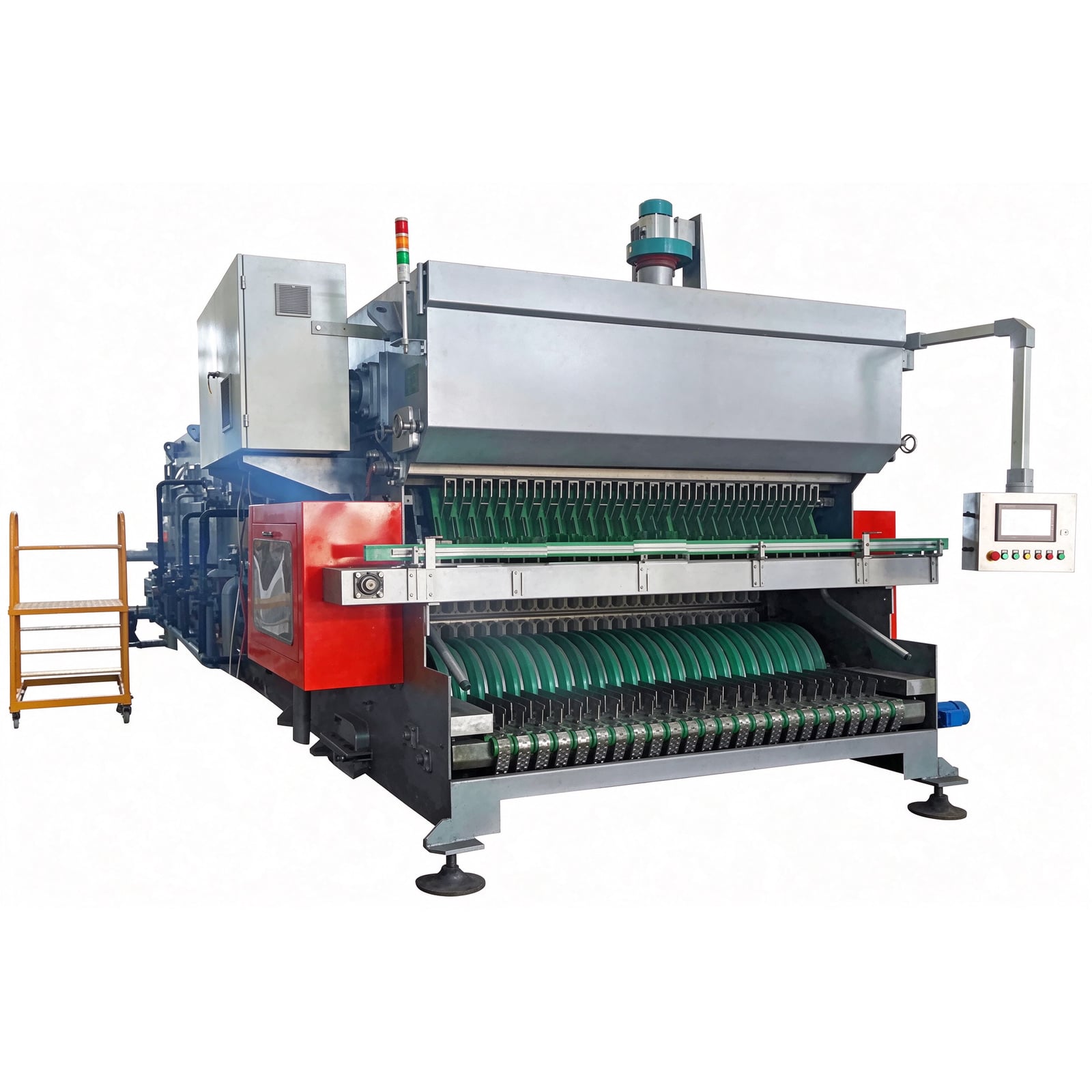
What should a buyer ask the supplier?
- Which bottle dimensions and return conditions were used when the proposed configuration was evaluated?
- Which cycle stages, instruments, alarms and records are included, and which are optional?
- What materials contact bottles, water and chemicals, and what supporting material documents are available?
- How are nozzles inspected, tanks drained, glass fragments removed and the machine cleaned safely?
- What utilities, rinse-water quality, chemicals and site preparations does the proposed process require?
- What tests, documentation and responsibilities will be agreed for commissioning and site acceptance?
Provide the supplier with bottle drawings, beverage details, expected soil and return conditions, throughput needs and the destination market. EQS Machinery's site describes beverage packaging equipment; discuss the proposed scope and request configuration-specific evidence before drawing conclusions about a washer. A well-defined acceptance plan links the purchase to the plant's real hygiene requirements instead of relying on a general compliance claim.