 EN


How Do You Source a Juice Filling Machine From China Safely?
A safe purchase begins before you ask for a price. Define your juice, container and operating conditions; verify the seller; then attach a measurable test plan to the contract. A search for a juice filling machine china will reveal many possible suppliers, but a listing alone cannot tell you whether a machine suits your process or who will support it after shipment. Use the same written requirements with every supplier. That makes quotations comparable and gives your production, quality and purchasing teams a shared basis for deciding whether to proceed.
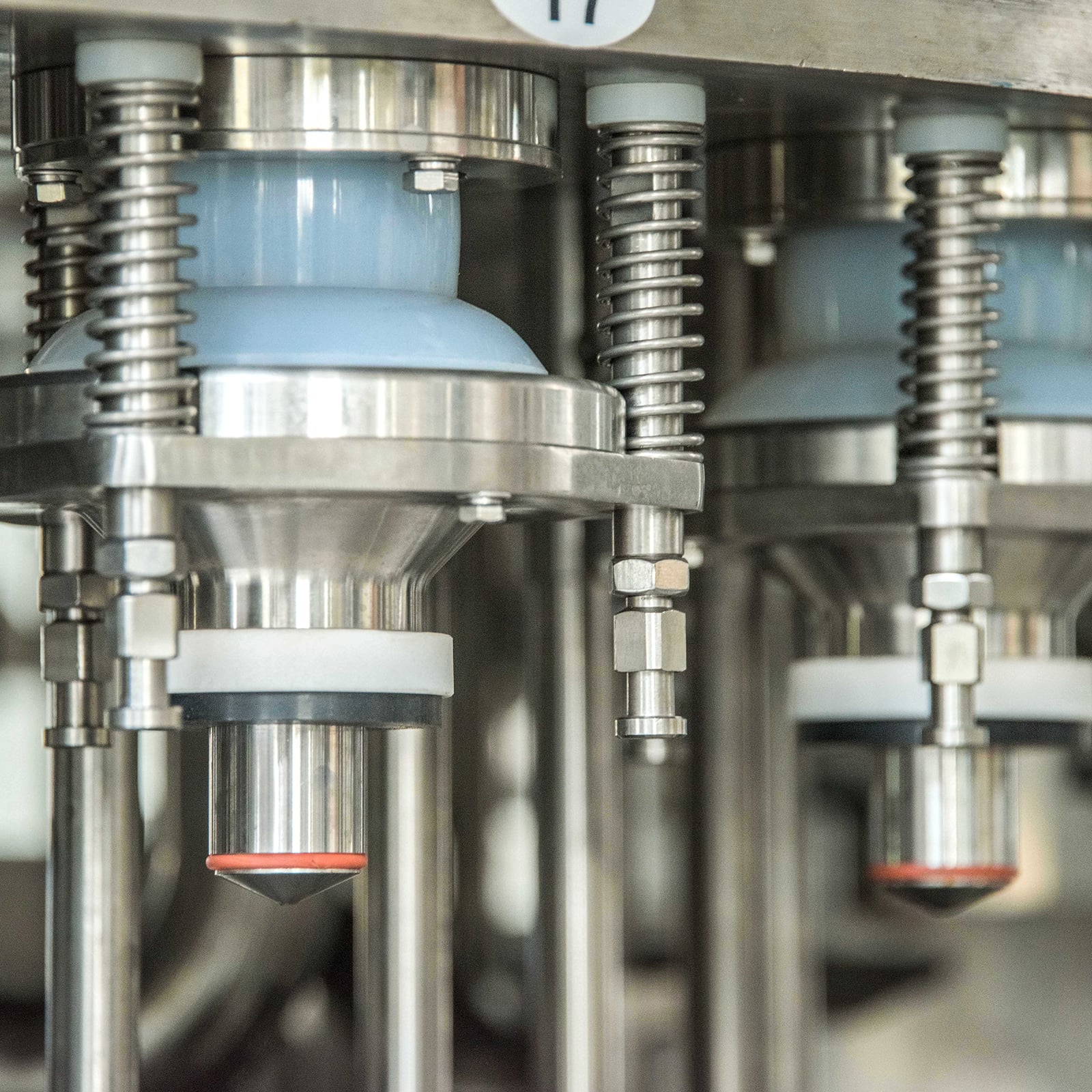
Start with the product and the production target
Clarify juice characteristics and thermal process requirements
Describe the recipe and expected production conditions before discussing the juice filling machine. Is the juice clear or does it contain pulp? What is the expected viscosity and filling temperature? State the product's acidity and any ingredients that affect cleaning, then have your food safety team confirm the proposed process. A hot-fill line, an aseptic process and a chilled product can have different requirements; do not assume that one configuration will suit all three.
Finalize packaging specs and line interface details
Give suppliers the bottle material, dimensions, neck finish and cap specifications, along with samples where practical. Ask which format parts are included and what changes for a second bottle size. Specify desired bottles per hour, bottle volume, operating hours and the expected supply conditions. A quoted machine speed is not the same as sustained line output: conveyors, upstream supply, stoppages and downstream packing all matter.
For example, if two quotations state the same hourly rate but use different bottle sizes or test durations, neither rate is directly comparable. Ask for each rate's test conditions, counting method and permitted interruptions. If the juice filling machine must connect to an existing capper or conveyor, provide connection drawings rather than relying on a catalogue photograph.
AI-generated illustration of a beverage line inspection.
Verify the supplier and the contracting entity
Confirm legal contracting party and business credentials
When comparing a juice filling machine china supplier, identify the legal company that will sign the contract, issue the invoice and receive payment. Request its business licence and verify the registration details through an appropriate official registry or a qualified local adviser. Compare the registered name, address and representative information with the contract. A trading company can be a valid supplier, but ask it to identify the actual equipment manufacturer and explain who is responsible for warranty and technical service.
Run factory validation and reference checks
Arrange a factory visit, a live video walkthrough or an independent inspection. Ask to see the relevant assembly area, quality procedures and a machine with a comparable configuration. A demonstration is useful evidence, not proof that your own order will perform identically. Request contactable references where customers have agreed to be contacted, and check any claimed certificates with the issuing body, including scope and validity.
Secure payment account verification
Before transferring funds, independently confirm beneficiary bank details with a known contact using a separate communication channel. If the payee differs from the contracting entity, investigate and document the reason with your bank and legal adviser. Treat a last-minute account change as a reason to pause, not as a routine invoice update.
Compare scope, hygiene and real operating cost
Break down quotation scope and excluded items
A juice filling machine quote should list equipment and exclusions separately. Ask for the filler, cap handling, guarding, controls, conveyors, change parts and any cleaning equipment to be identified by scope. Check which drawings, manuals, electrical documentation and spare parts are included. Require a list of utilities, dimensions, shipping weights and maintenance access space so your engineering team can assess the site.
Audit food contact materials and cleaning validation plan
Ask for a product-contact material list, seal compatibility and the proposed cleaning method. If clean-in-place is offered, clarify what is supplied, the connections required and how the cleaning cycle will be verified for your recipe. The US Food and Drug Administration's juice HACCP framework, 21 CFR Part 120, applies to covered juice processing activities; a machine purchase alone does not establish that a facility or product complies. Have your food safety and regulatory advisers determine the requirements for your market and operation.
Calculate full landed cost instead of unit price only
Compare more than the purchase price of the juice filling machine. Include freight, insurance, import charges, unloading, utilities, installation, operator training, consumables and replacement parts. Request prices and lead times for a proposed initial spares kit. A low equipment price may simply leave installation or change parts outside the scope, so reconcile each line item before ranking offers.
Put acceptance and payment milestones in writing
Define factory acceptance test standards
Agree on a factory acceptance test before manufacturing starts. The test document should identify the machine configuration, sample bottles and caps, test liquid, temperature, run duration and the people witnessing the test. Set measurable criteria for output, fill results, cap application and safety functions, including the sampling method and how defects are recorded. Where actual juice cannot be used, agree what the substitute test can and cannot demonstrate.
Distinguish FAT from site acceptance test
For a juice filling machine china order, distinguish factory testing from site acceptance. Factory testing can reveal assembly or controls issues before dispatch; site acceptance checks the installed equipment under agreed local conditions. Assign responsibility for commissioning, available utilities, operator participation and correction of deficiencies. Include a procedure for documenting an issue, retesting it and resolving a missed deadline.
Structure staged payments with risk control
Link staged payments to documented milestones that both parties accept, rather than paying the full amount before evidence is available. A letter of credit, independent inspection or other payment arrangement may help manage exposure, but its usefulness depends on its exact conditions and the parties' circumstances. Review the contract, remedies, governing law and dispute mechanism with qualified counsel.
Plan shipment and support before placing the order
Lock in Incoterms and logistics responsibilities
Use a named delivery point and a specific Incoterms rule in the quotation and contract. Under Incoterms 2020, FCA and FOB transfer delivery risk at different points; FOB concerns delivery on board a vessel, while FCA can be suited to a named point where containerised goods are handed over. The International Chamber of Commerce explains these distinctions. Confirm who arranges insurance, export and import formalities, unloading and any local handling, and check the chosen terms with your freight adviser.
Confirm documentation, warranty and after-sales support
Request a packing list, commercial invoice, equipment identification and any market-specific documents your customs broker needs. Discuss corrosion protection, lifting points and inspection on arrival. For the juice filling machine, define warranty duration, exclusions, remote support channels, response expectations and the cost and availability of an on-site technician. Also agree on training language and the procedure for ordering wear parts.
A practical pre-order checklist
Issue one signed specification covering the product, bottle, closure, target output and utilities. Verify the contracting company, factory role, payment beneficiary and relevant documentation. Compare the same equipment scope, cleaning arrangements and full landed cost. Attach factory and site test methods, acceptance limits and a correction process to the contract. Confirm delivery responsibilities, import documents, training, warranty and spares.
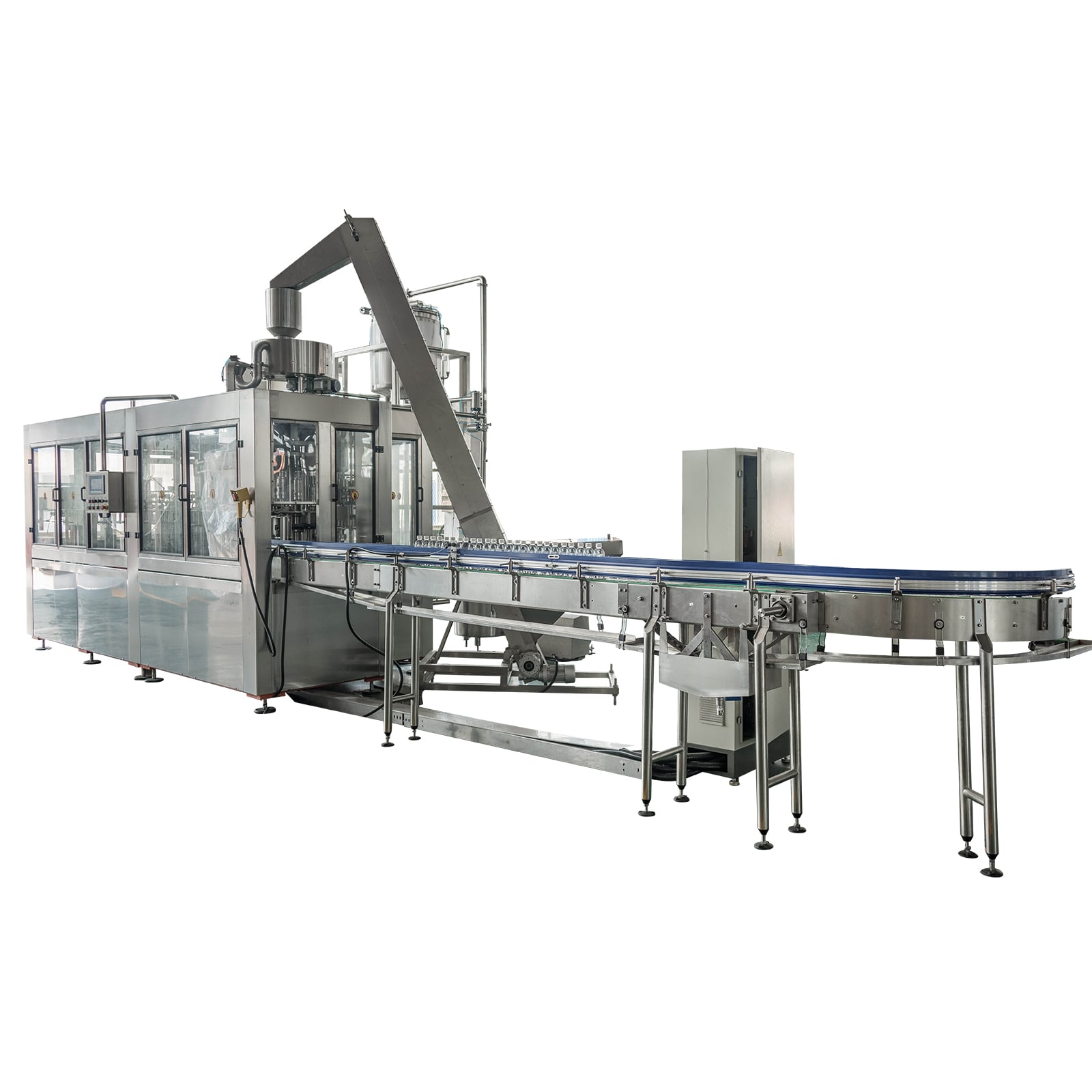
If you are evaluating a juice filling machine china project, send prospective suppliers this checklist with your actual product and packaging details. EQS Machinery's site describes its focus on beverage filling equipment; ask the team to confirm the configuration and support available for your specific juice before making a decision. A clear request for evidence is more useful than a promise that every line will suit every product.