 EN
EN


I know many beverage factories grow in steps, not all at once. If the line cannot grow with demand, the factory will fall behind fast.
Future-proofing your beverage factory means building a scalable and adaptable plant with modular equipment, so you can expand output and upgrade machines when the market changes.
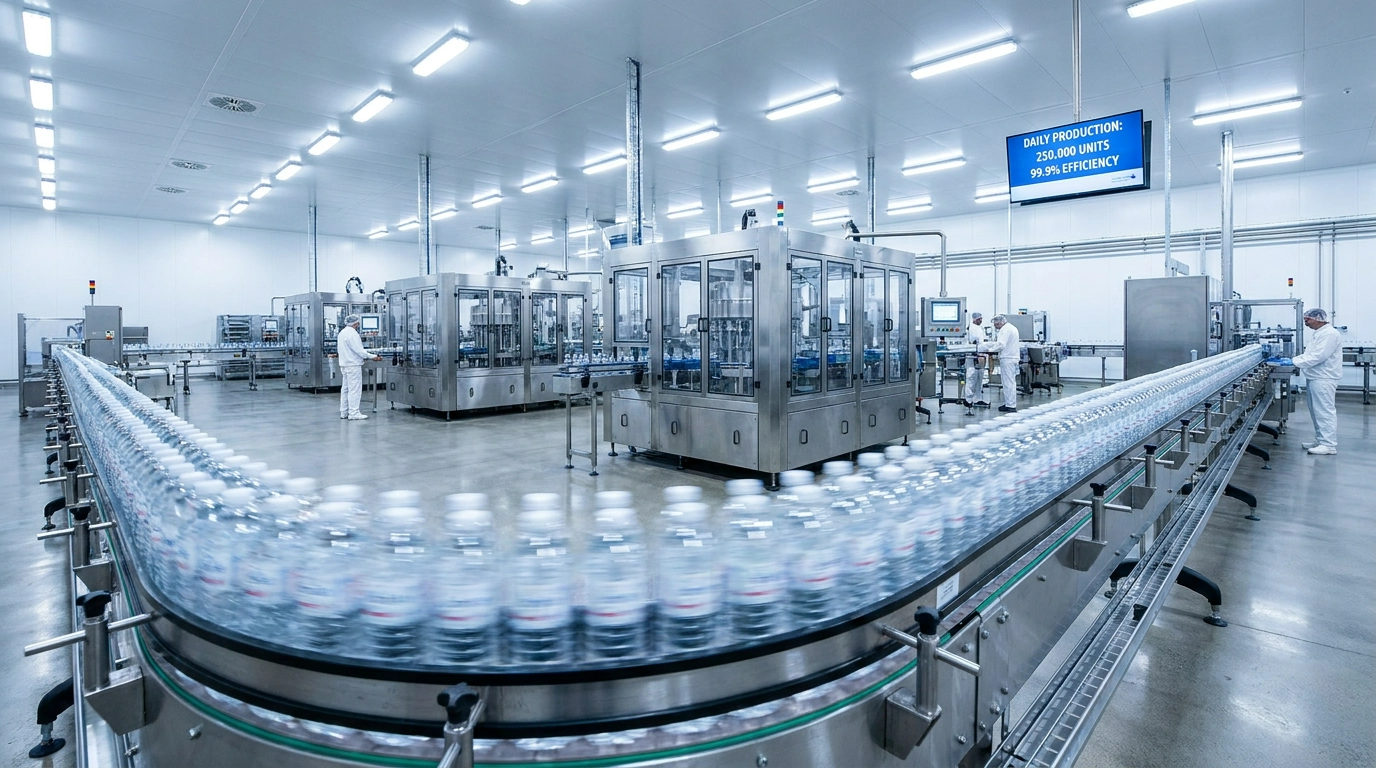
I often tell buyers that the market does not stay still. New products, new bottle sizes, and new rules can all change the plan. That is why I think long-term design matters from day one.
I have seen many buyers focus only on today’s order volume. That can create a problem later.
A line that works today may become too small next year.
A smart layout can save money on later upgrades.
The beverage market can shift quickly.
| Risk | Short-Term Plant | Future-Proof Plant |
|---|---|---|
| Capacity growth | Hard to expand | Easy to scale |
| New products | Limited flexibility | Better adaptation |
| Equipment changes | Costly rebuild | Modular upgrade |
| Market response | Slow | Fast |
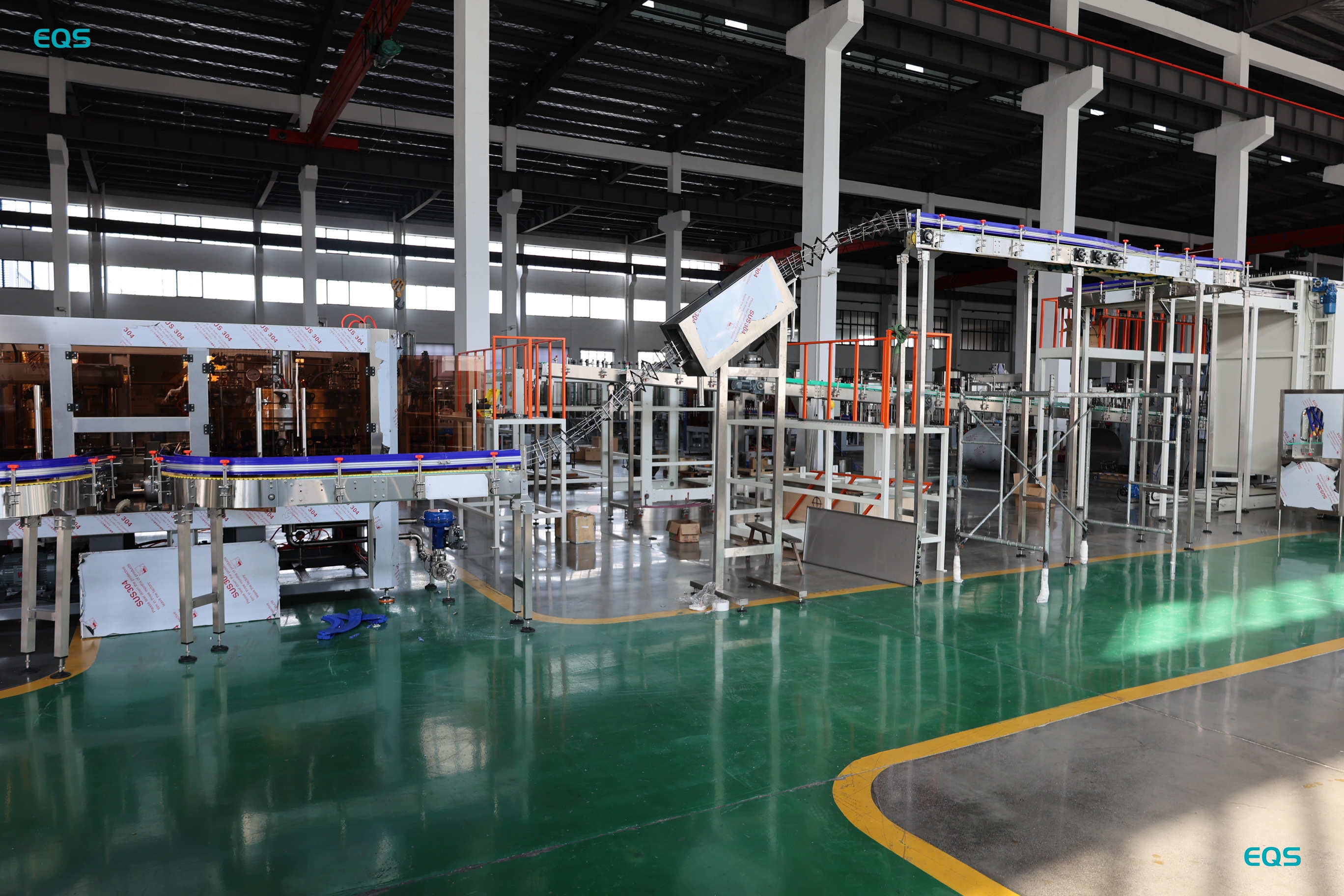
I define scalability as the ability to grow without starting over.
The plant should support future output growth.
Modules make expansion easier.
A good layout helps the line grow without heavy redesign.
| Scalability Factor | My Approach | Benefit |
|---|---|---|
| Capacity planning | Build for phased growth | Lower expansion risk |
| Equipment structure | Use modules | Easier upgrade |
| Factory layout | Leave room for change | Better flexibility |
I always focus on the full system. A single machine is not enough.
I map the full process before equipment selection.
The line should fit both current and future demand.
I choose designs that can accept later expansion.
| EQS Service | Purpose | Result |
|---|---|---|
| Plant planning | Organize the workflow | Better structure |
| Line design | Match output goals | Stable production |
| Upgrade-ready setup | Allow future changes | Lower future cost |
I like modular systems because they reduce pressure on the buyer.
The customer does not need to buy everything at once.
That saves time and money.
This is useful for a growing brand.
| Modular Benefit | What It Means | Why It Helps |
|---|---|---|
| Step-by-step growth | Add capacity later | Lower early investment |
| Partial replacement | Change one unit only | Less downtime |
| Product flexibility | Handle more SKUs | Better market response |
I never assume today’s best seller will stay the same forever.
Bottle shape, size, and material can all change.
A company may move from water to juice or from still drinks to carbonated drinks.
A factory may need more intelligent control later.
| Future Trend | Factory Impact | Planning Need |
|---|---|---|
| New packaging | Equipment change | Flexible design |
| New product type | Different filling need | Adaptable line |
| More automation | Higher control demand | Smart systems |
I believe layout is one of the most important parts of future proofing.
If there is no space, growth becomes expensive.
The factory should move in one clean direction.
A good plan today avoids demolition later.
| Layout Decision | Good Practice | Long-Term Benefit |
|---|---|---|
| Space planning | Reserve expansion area | Easier growth |
| Process flow | Clear and direct | Higher efficiency |
| Utility planning | Prepare for new loads | Less disruption |
I see future proofing as especially important for buyers with growth plans.
These buyers need room to grow.
Different markets often need different standards.
These buyers need flexibility.
| Buyer Type | Main Need | Future-Proof Value |
|---|---|---|
| Growing brand | More output | Capacity support |
| Export business | Global compliance | Better readiness |
| Multi-product plant | Flexibility | Easier adaptation |
I know many buyers, especially engineers and factory owners, care about price first. I respect that. But I also know that the cheapest plan can become the most expensive one later.
That helps control the first budget.
The buyer can expand in stages.
A line should not trap the customer in one fixed setup.
| Budget Strategy | My Method | Result |
|---|---|---|
| Phase planning | Buy in stages | Lower pressure |
| Smart selection | Focus on core need | Better spending |
| Flexible design | Avoid fixed limits | Better long-term value |
I built EQS around full industrial chain thinking. That is very useful for long-term planning.
The customer gets one connected solution.
The factory becomes easier to manage.
That creates more stable growth.
| EQS Strength | What It Delivers | Customer Value |
|---|---|---|
| Full line integration | One complete solution | Less mismatch |
| Intelligent planning | Better control | Higher efficiency |
| Upgrade-ready design | Future flexibility | Lower long-term cost |
Future-proofing means building a beverage factory that can grow, adapt, and upgrade with the market. I help buyers do that with modular EQS machinery and smart plant planning.
FAQ
Q: Why should I future-proof my beverage factory now?
A: A filling line sized only for today's volume typically becomes a production bottleneck within 1–3 years as brands expand SKUs or enter new markets. Building with modular equipment and reserving expansion space from day one reduces the cost of future upgrades by 30–40% compared to unplanned retrofits.
Q: What makes a beverage filling line scalable?
A: A scalable filling line uses modular machine architecture with standardized interfaces between the rinser, filler, capper, and labeler. This allows individual modules to be upgraded or replaced without rebuilding the entire line, supporting capacity growth from 2,000 BPH to 54,000 BPH in stages.
Q: How does EQS design upgrade-ready beverage production lines?
A: EQS engineers map the full production workflow before equipment selection, identifying future expansion zones and utility load requirements. Each line is built with standardized module interfaces so additional capacity can be added later without structural redesign of the factory floor.
Q: Which types of beverage factories benefit most from modular line design?
A: Modular filling line design is most valuable for growing beverage brands planning multi-SKU expansion, export-focused factories that need to meet different market standards, and contract manufacturers handling both carbonated and still drink production on shared infrastructure.
Copyright © JIANGSU EQS MACHINERY CO.,LTD