 EN
EN


Filling machines are crucial for ensuring the efficiency and quality of beverage production. Each type of beverage comes with unique requirements for filling technology.
A well-selected filling machine can streamline production while maintaining the integrity and quality of varied beverages, from carbonated drinks to juices.
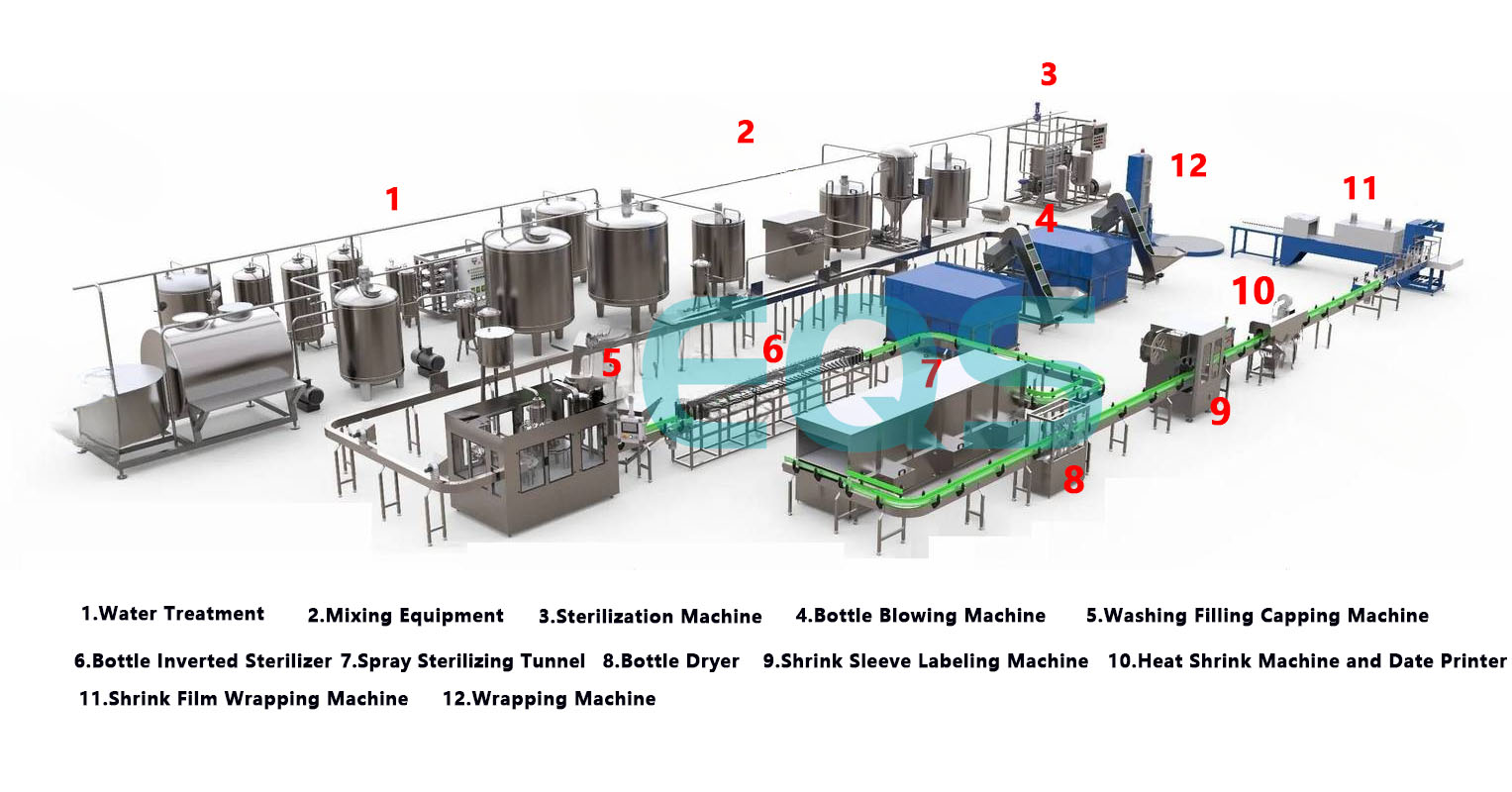
As we explore the application of filling machines, we'll analyze different beverage types and their specific requirements.
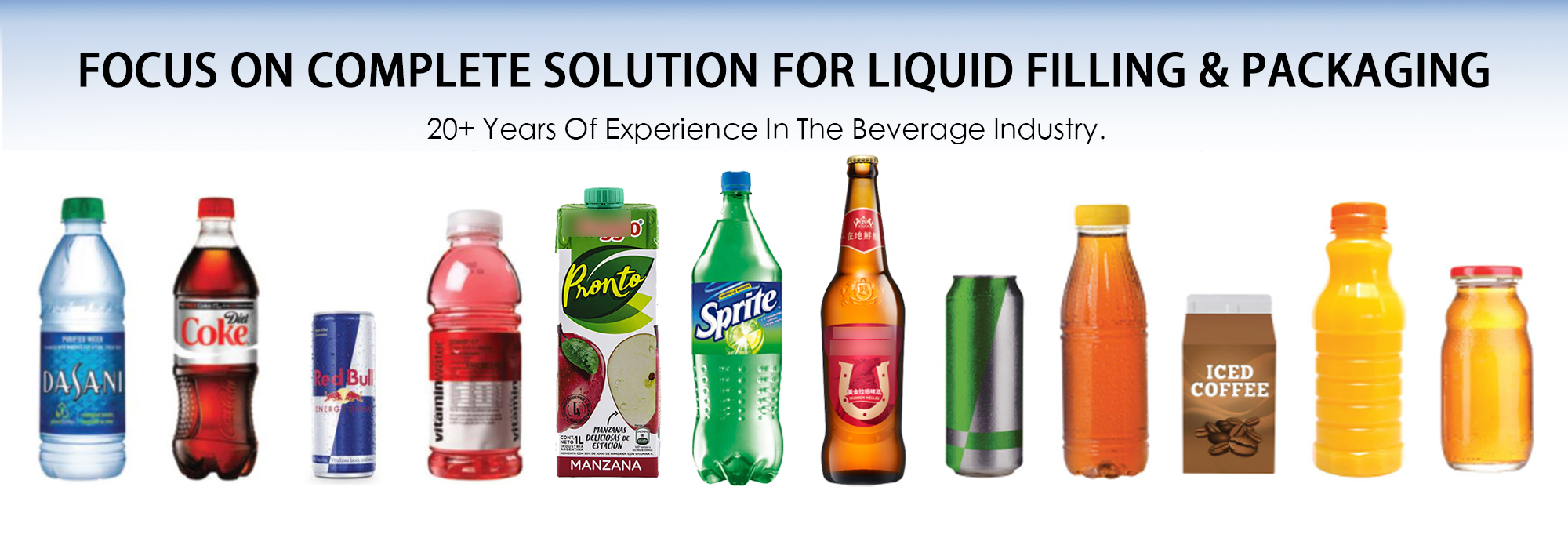
Choosing a filling machine goes beyond just speed.
Considerations include viscosity, carbonation, and packaging materials. Here's what to keep in mind:
| Beverage Type | Filling Characteristics | Recommended Machine Type |
|---|---|---|
| Carbonated Soft Drinks | High carbonation, low viscosity | Pressure filling machine |
| Juices | Low viscosity, chunkiness can exist | Hot filling machine |
| Dairy Products | Viscous, sensitive to contamination | Aseptic filling machine |
| Alcoholic Beverages | Varying viscosity, contact time is critical | Counter-pressure filling machine |
| Water | Low viscosity, large-scale production | Gravity filling machine |
These factors will help identify the right machine for your specific beverage type.
Carbonated soft drinks pose unique challenges for filling machines.
Maintaining carbonation is critical to preserving the product's quality and taste. Here’s how the process is tailored for these drinks:
This process ensures a high-quality final product that remains fizzy.
Juices require a different approach to ensure consistency and quality.
Liquid characteristics can vary widely from thin to thick, which impacts machine choice:
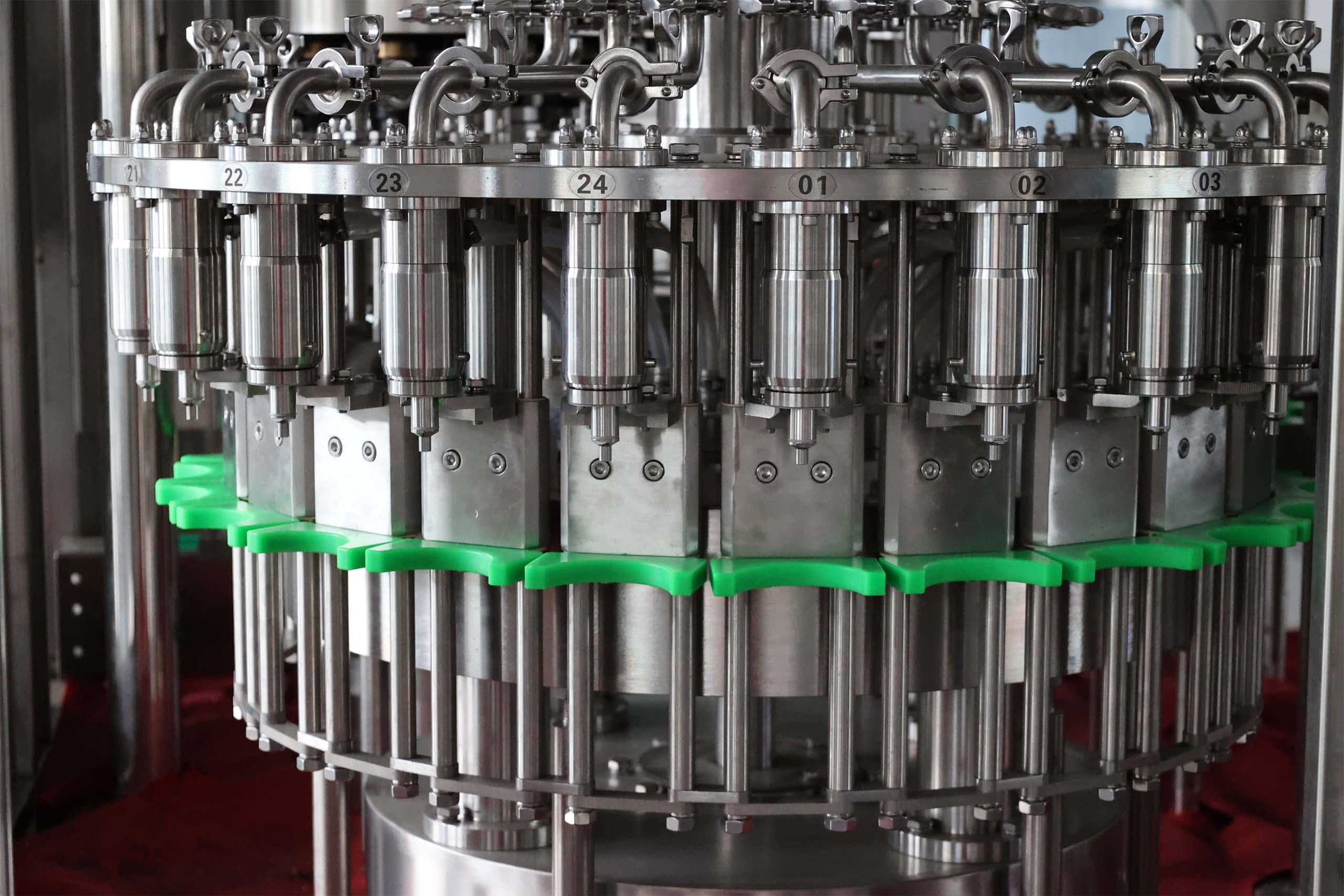
This tailored process helps preserve the natural flavors and nutrients in juices.
Filling dairy products involves additional considerations due to their nature.
The sensitivity to spoilage and contamination makes efficient filling crucial:
These measures ensure safety and consistency throughout dairy beverage production.
Alcoholic beverages often have complex filling requirements.
Due to the varying viscosity and foaming characteristics, filling machinery must adapt accordingly:
These adaptations ensure that the final product meets market standards.
Water bottling is an important segment in the beverage industry, requiring efficiency.
The simplicity of water filling can sometimes lead to overlooking key aspects:
A smooth operation is vital for maintaining a profitable water bottling business.
Different types of beverages require tailored filling machine solutions. Understanding these needs helps manufacturers enhance their production quality.
Choosing the right filling machine can lead to increased efficiency and better-quality products.
My name is Allen, and I'm an expert in filling machine technology at EQS, a leading liquid packaging solution provider based in China. If you're looking for top-quality equipment for your production line, feel free to reach out to me at [email protected]. We specialize in providing customizable solutions with cutting-edge technology.
Copyright © JIANGSU EQS MACHINERY CO.,LTD