 EN
EN


When a high-speed bottle washing machine arrives on site, every small mistake can slow the whole line. I have seen projects lose days because installation was not planned well.
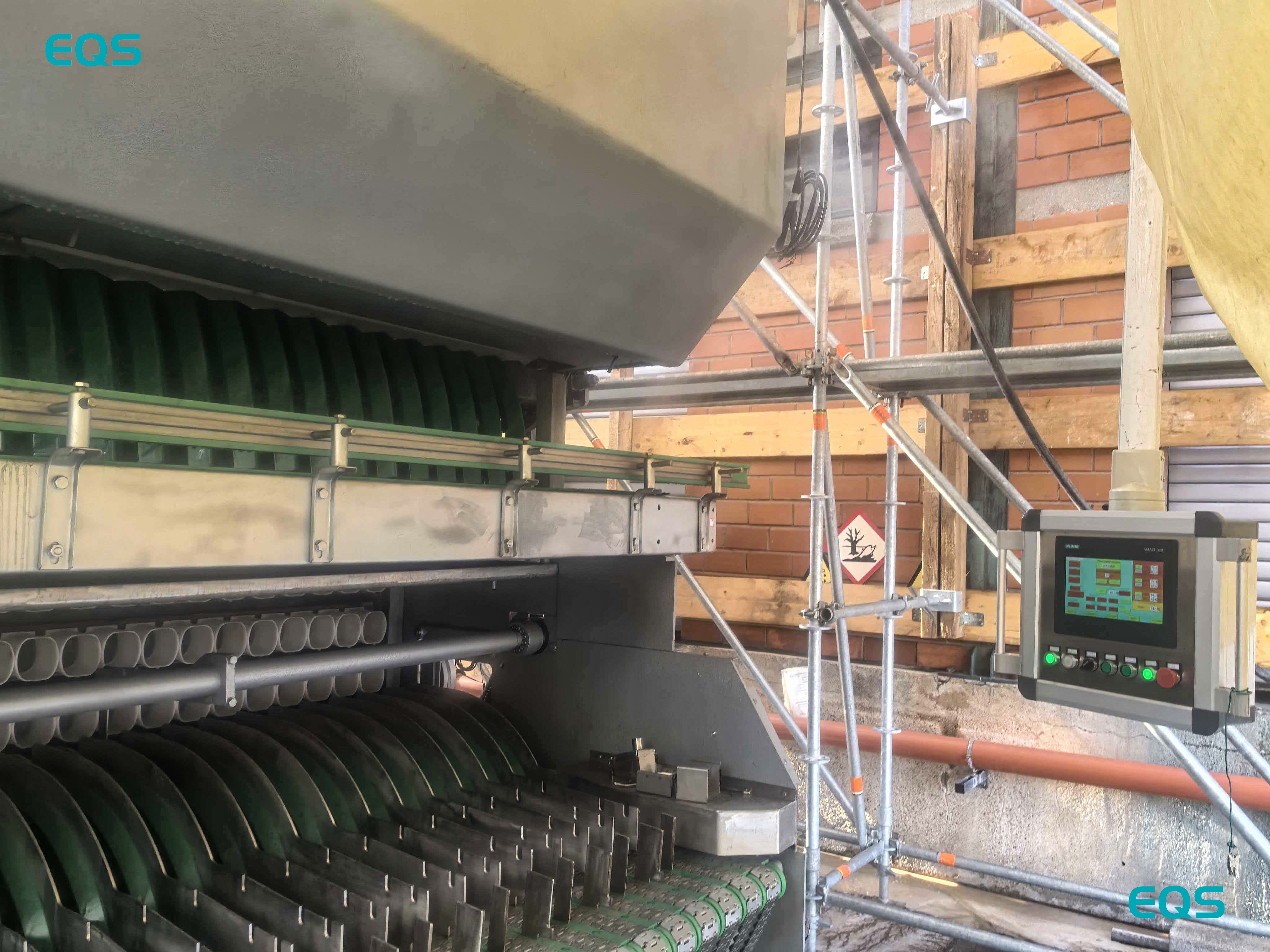
A 26000BPH bottle washing machine installation and commissioning project in Greece needs careful site checks, correct utility connections, and clear testing steps to make sure the machine runs at full speed.
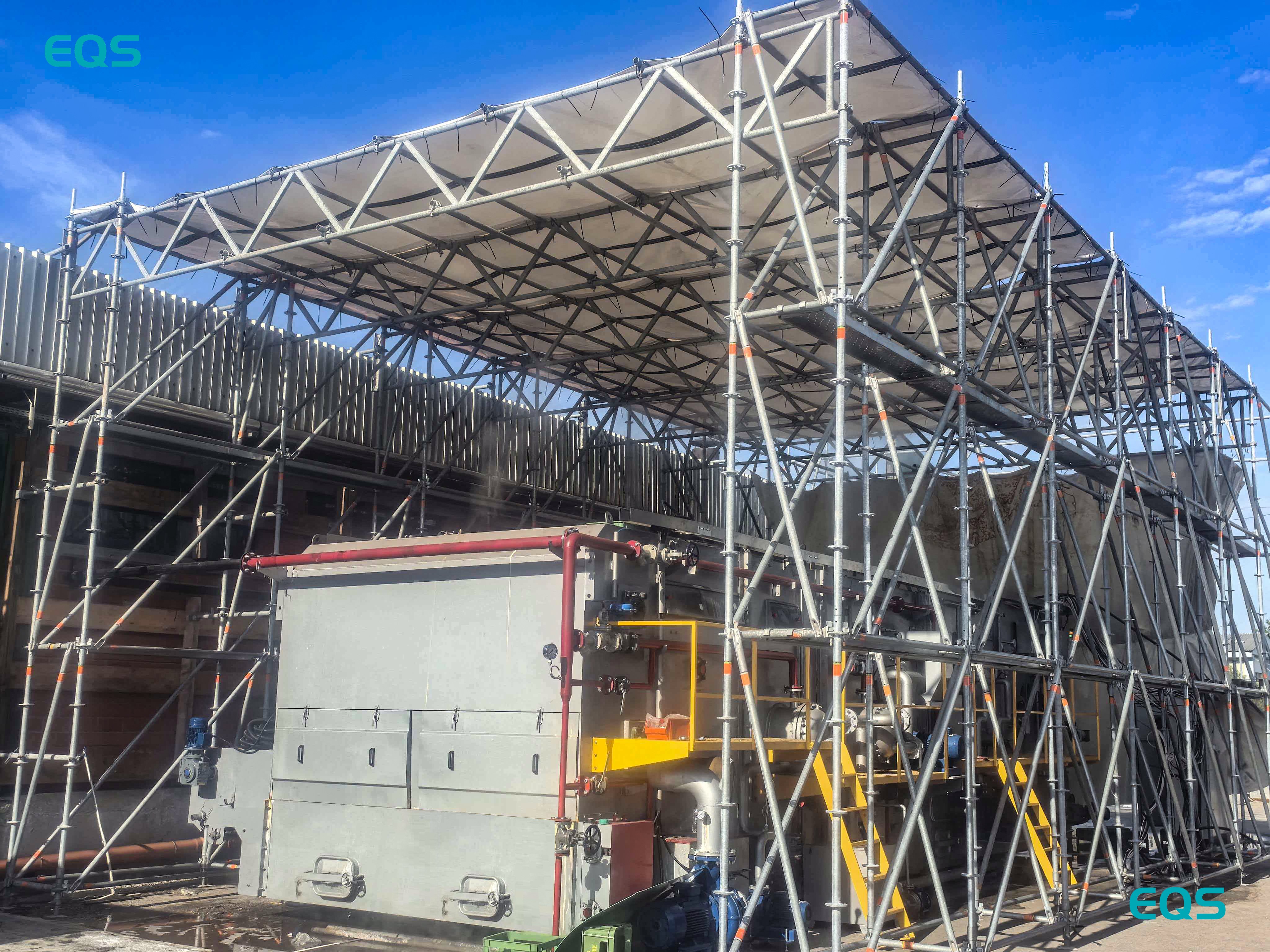
I always tell clients that installation is not just a technical job. It is also a business job. If the machine is not installed well, the factory cannot start production on time. That affects labor, delivery, and customer trust. So I pay close attention to every step.
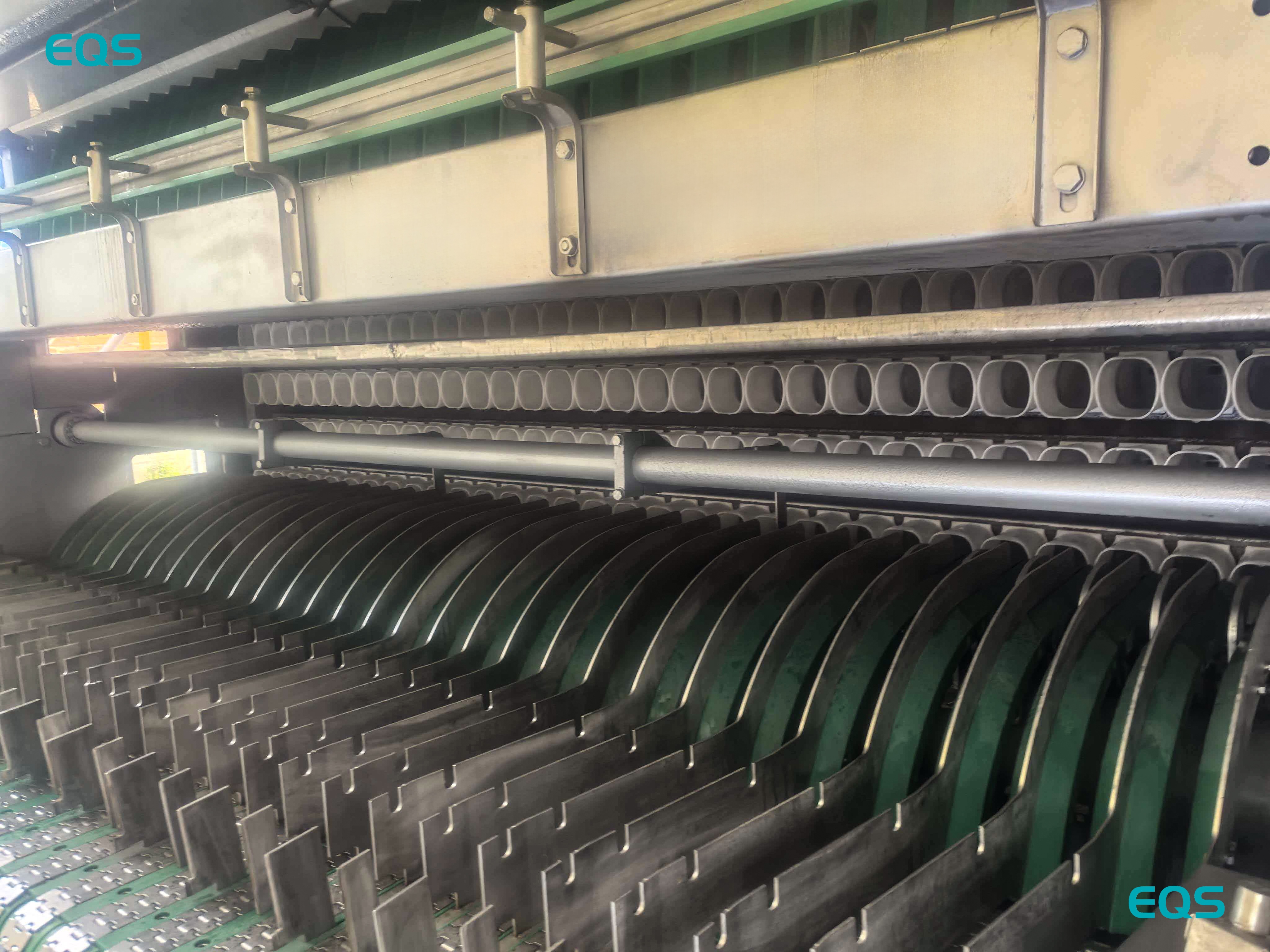
Before I start installation, I first check the factory layout, bottle type, and utility system. A 26000BPH machine needs stable support. If the site is not ready, the commissioning stage will become much harder.
Before installing a 26000BPH bottle washing machine, you should verify the site space, power supply, water supply, drainage, and bottle specifications.
| Item | Why it matters |
|---|---|
| Floor level | The machine must stay stable |
| Space layout | The line must fit without blockage |
| Power supply | The machine needs reliable electricity |
| Water pressure | Washing performance depends on it |
| Drainage | Waste water must be removed fast |
| Bottle sample | The machine must match the container |
I do not trust installation plans that are based only on drawings. I prefer to confirm the real site conditions first. In Greece, this is even more important when the factory building has old structures or limited utility access. A quick check can save many later problems.
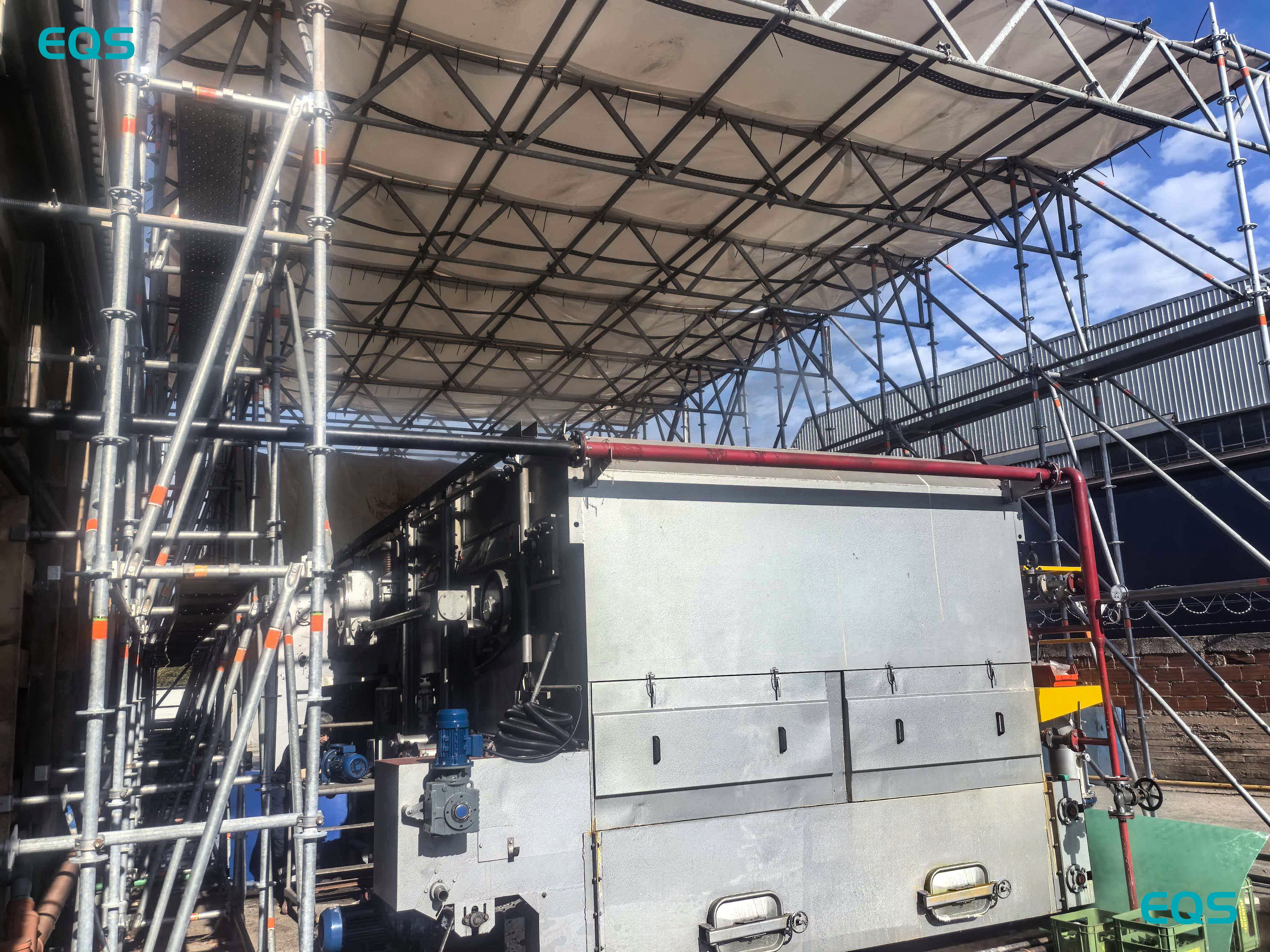
The installation process starts with unloading, positioning, and leveling. Then the machine is connected to power, air, and water systems. After that, the technical team checks the motion parts and control system.
The installation process includes machine positioning, utility connection, mechanical inspection, and initial test runs before full commissioning begins.
1.Unload and inspect the machine
I check if all parts arrive in good condition.
2.Place the machine on the floor
The machine must sit in the correct position.
3.Level the equipment
This helps prevent vibration and operation problems.
4.Connect utilities
Power, water, and air must be connected correctly.
5.Check the control panel
The electrical system must respond as expected.
6.Run dry tests
I test motion before bottle loading.
7.Run wet tests
I test washing performance with water and bottles.
At 26000BPH, the machine works fast. That means a small mechanical error can affect many bottles in a short time. If the chain, gripper, or nozzle system is not aligned, the whole line may become unstable.
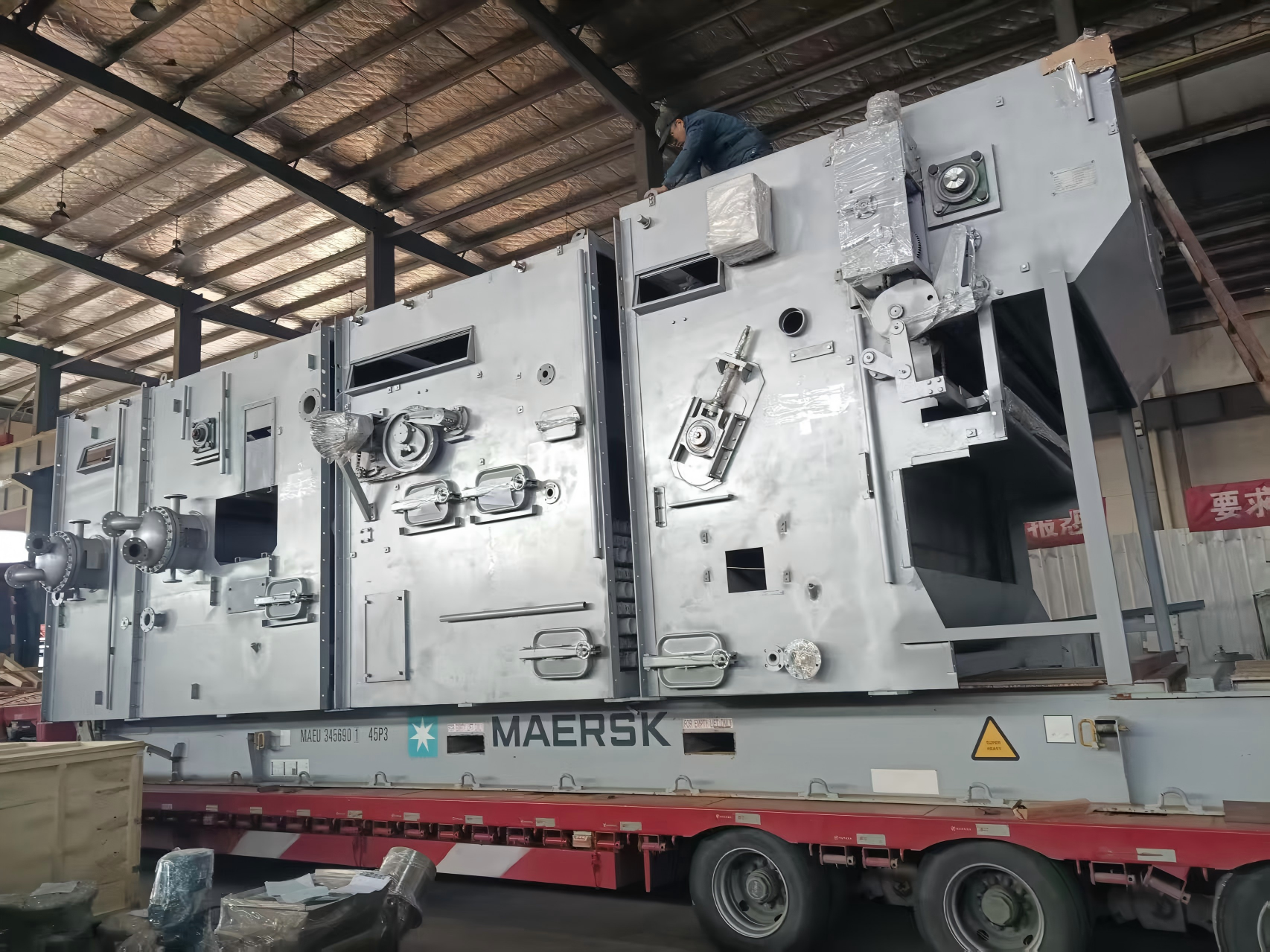
Commissioning is the stage where the machine proves it can run in real production conditions. I do not consider a machine “finished” until it passes this step. It must wash bottles correctly, run smoothly, and stay stable over time.
Commissioning is the final step where the bottle washing machine is tested under real production conditions to confirm speed, stability, and washing quality.
| Test item | Purpose |
|---|---|
| Washing pressure | Confirms cleaning strength |
| Bottle handling | Checks smooth transfer |
| Nozzle alignment | Ensures proper washing coverage |
| Speed performance | Confirms 26000BPH output |
| Control response | Verifies machine logic |
| Safety system | Protects operators and equipment |
I always test the machine step by step. I never rush straight into full speed. First I check low speed. Then I raise the speed little by little. This helps me find weak points early. It also protects the bottles and the machine.
| Support area | Why it matters |
|---|---|
| Spare parts | Faster repair |
| Remote guidance | Quick problem solving |
| Operator training | Better daily use |
| Maintenance plan | Longer machine life |
| Service response | Less production loss |
I have found that many buyers focus too much on the purchase price. But after installation, service becomes the real value. A machine with poor support can become expensive very fast. So I always encourage buyers to think about the full project, not only the first invoice.
Every installation has risk. Some are small. Some can stop the whole project. I always try to find these risks early so I can reduce them before the machine starts.
The common risks include poor site preparation, wrong utility connection, bottle mismatch, weak operator training, and rushed commissioning.
1.Floor is not level
This can cause vibration and unstable movement.
2.Water quality is poor
This may affect washing results.
3.Bottle sample is incorrect
The machine may not handle the real bottle shape well.
4.Electrical setup is weak
This can cause repeated faults.
5.Team is not trained
Operators may make simple mistakes.
I ask for technical details before delivery. I also ask for bottle samples, plant photos, and utility data. If possible, I review the site with the client before the machine arrives. This makes the whole project smoother.
My goal is not only to install the machine. My goal is to help the client use it well for a long time. I want the line to run at the right speed with fewer stops and fewer complaints.
I help the client by combining installation guidance, commissioning tests, operator training, and maintenance advice into one clear project process.
・keep spare parts ready
・train the local team before full production
・record machine settings
・clean the system on schedule
・check key wear parts often
A 26000BPH bottle washing machine can bring strong production value, but only if the installation and commissioning are done with care. I always see this stage as the start of stable profit, not just a technical handover.
A successful 26000BPH bottle washing machine project in Greece depends on good site preparation, careful commissioning, and strong after-sales support.
Copyright © JIANGSU EQS MACHINERY CO.,LTD